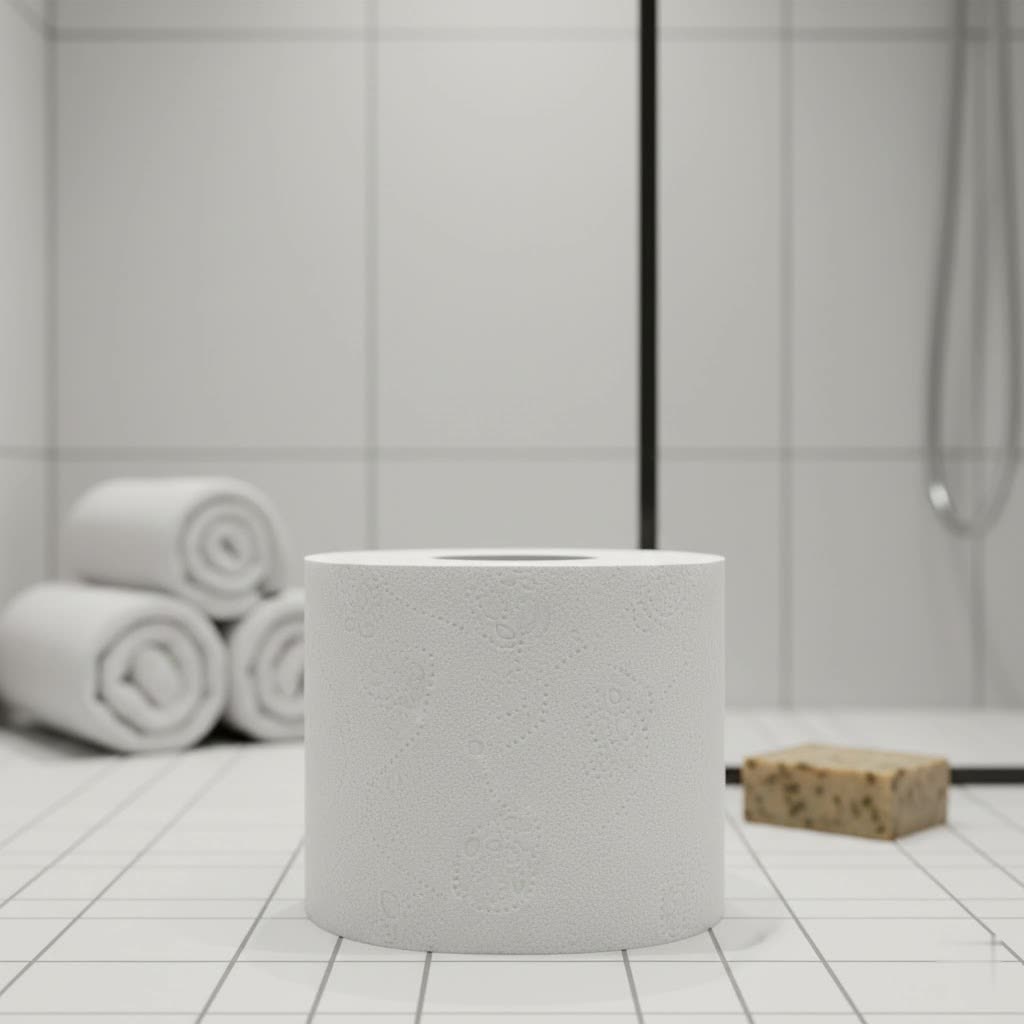
Bamboo toilet paper is a highly sustainable alternative to traditional toilet paper, made from rapidly renewable bamboo pulp rather than virgin tree pulp. It offers significant environmental benefits, including reduced deforestation and lower water usage, while providing comparable or superior softness and strength. Brands like Who Gives A Crap and ecoHiny offer 3-ply options that are soft, strong, and often hypoallergenic, making them a popular choice for eco-conscious consumers.
What is Bamboo Toilet Paper? An Industry Overview
Bamboo toilet paper, as its name suggests, is made from bamboo pulp rather than wood pulp derived from trees. Bamboo is a remarkable plant, often categorized as a grass, known for its astonishing growth rate and regenerative properties. Unlike trees, which can take decades or even centuries to mature, some bamboo species can grow up to 3 feet in a single day and can be harvested in just five years, regrowing from existing root systems without the need for replanting. This rapid renewability makes it an exceptionally sustainable resource for paper production.
Historically, toilet paper has evolved from rudimentary, often rough materials to the multi-ply, softened products we know today. The shift towards eco-friendly options like bamboo represents the latest evolution, driven by increased environmental awareness. While traditional toilet paper varies in ply count (1-ply, 2-ply, 3-ply, or even moist wipes), bamboo toilet paper typically comes in 2-ply or 3-ply constructions, offering a balance of strength and softness. The market for sustainable household products is growing, and with it, the availability of bamboo toilet paper brands that cater to diverse consumer needs worldwide.
Key Criteria for Choosing Bamboo Toilet Paper
Selecting the right bamboo toilet paper involves understanding several key attributes that impact both its performance and environmental footprint.
Material
The core of bamboo toilet paper’s appeal lies in its material. It’s made from bamboo pulp, a stark contrast to the virgin wood pulp used in most conventional toilet paper. This choice significantly reduces deforestation. When evaluating, look for certifications like FSC (Forest Stewardship Council), which ensures the bamboo is sourced from responsibly managed forests and does not impact panda habitats. Many bamboo toilet papers are free from harsh chemicals such as chlorine bleach, dyes, fragrances, and formaldehyde, making them a cleaner choice for both the environment and personal health.
Softness and Absorbency
One common misconception is that eco-friendly toilet paper compromises on comfort. However, bamboo fibers are naturally smoother and more refined than wood fibers, allowing for a surprisingly soft and gentle product. Many brands engineer their bamboo toilet paper to be just as soft, if not softer, than premium traditional brands. High absorbency is also crucial for effective cleaning, and bamboo’s natural fibrous structure allows it to absorb moisture efficiently, contributing to a better user experience and potentially reducing the amount needed per use.
Strength and Tear Resistance
|
Our Picks for the Best Toilet Paper in 2026
As an Amazon Associate I earn from qualifying purchases.
|
||
| Num | Product | Action |
|---|---|---|
| 1 | Amazon Basics Soft and Strong 2-Ply Toilet Paper, 6 Ultra Rolls = 24 Regular Rolls, Unscented, 340 Sheet (6 Rolls) |

|
| 2 | Happy Valentines Day Decorations Gifts for Him Her Girls Women Teens, 3 Ply 150 Sheet Funny Toilet Paper Roll, Red Love Heart Tissue Paper, Friends Bathroom Toilet Themed Party Decorations Favors |
|
| 3 | Eco Comfort Pack Bamboo Toilet Paper – 350 Sheets per Roll, 3-Ply Soft & Strong, Plastic-Free Packaging, Septic Safe, Eco Friendly (PREMIUM WHITE, 12 Rolls) |
|
| 4 | Angel Soft Toilet Paper, 18 Mega Rolls = 72 Regular Rolls, Soft and Strong Toilet Tissue |
|
| 5 | Quilted Northern Ultra Plush Toilet Paper, 24 Mega Rolls = 96 Regular Rolls, 3X Thicker*, 3 Ply Soft Toilet Tissue |
|
| 6 | Amazon Basics FSC-Certified 2-Ply Septic-Safe Toilet Paper, Soft, 350 Sheets per Roll, 6 Rolls = 37 Regular Rolls |
|
| 7 | Scott ComfortPlus Toilet Paper, 12 Double Rolls, 231 Sheets per Roll, Septic-Safe, 1-Ply Toilet Tissue |
|
| 8 | Charmin Ultra Soft Cushiony Touch Toilet Paper, 24 Family Mega = 123 Regular Rolls, White |
|
| 9 | Amazon Basics FSC-Certified 2-Ply Septic-Safe Toilet Paper, Soft, 350 Sheets per Roll, 30 Rolls = 185 Regular Rolls |
|
| 10 | Scott Professional 100% Recycled Fiber Standard Roll Bulk Toilet Paper (13217), 2-Ply, Elevated Design, White, Individually Wrapped (80 Rolls of 473 Sheets, 37,840 Sheet Total) |
|
Nobody wants toilet paper that tears easily or leaves residue. The natural strength and durability of bamboo fibers contribute to a robust toilet paper that performs well. The ply count plays a significant role here; 3-ply bamboo toilet paper, for instance, offers superior strength and tear resistance compared to thinner options, ensuring reliability during use. This inherent strength can mean using fewer sheets, making each roll last longer.
Roll Size and Quantity
While the upfront cost of bamboo toilet paper might seem higher, considering the roll size and sheet quantity is essential for assessing true value. Many eco-friendly brands offer larger rolls with more sheets per roll compared to standard conventional toilet paper. Calculating the cost per sheet can reveal that bamboo options are often comparable to, or even more economical than, premium conventional brands in the long run, especially when accounting for durability and less usage.
Price
The price of bamboo toilet paper generally falls into a premium segment compared to basic conventional toilet paper. However, this cost often reflects the sustainable sourcing, ethical manufacturing, and higher quality of the product. Prices can vary significantly between brands, influenced by factors like ply count, certifications, and packaging. Many companies offer subscription models that can provide discounts, making bamboo toilet paper a more budget-friendly option over time.
Comparing Bamboo Toilet Paper with Traditional and Recycled Options
When considering a switch to bamboo toilet paper, it’s helpful to understand its position relative to other types of toilet paper on the market:
- Traditional (Virgin Wood Pulp): This is the most common type, made from freshly cut trees. Its production often leads to deforestation, significant water usage, and the release of carbon emissions. While it can be very soft and strong, it typically contains bleaching agents, dyes, and fragrances.
- Recycled Toilet Paper: Made from post-consumer recycled paper, this option is highly praised for diverting waste from landfills and requiring no new trees. It generally uses less water and has a lower carbon footprint than bamboo. However, some recycled options may contain BPA and might not be as soft or strong as bamboo, though dissolution tests show it breaks down fastest, making it ideal for septic systems.
- Bamboo Toilet Paper: Offers an excellent balance. It’s highly renewable due to bamboo’s rapid growth and regenerative nature, requiring less water and no pesticides. It absorbs more carbon dioxide than trees and is naturally biodegradable and septic-safe. Bamboo varieties are often praised for their softness, strength, and hypoallergenic properties, being free from many harsh chemicals found in traditional TP. While some sources suggest recycled paper has a slightly better environmental benefit in terms of overall impact, bamboo significantly outperforms virgin pulp options.
In essence, bamboo toilet paper bridges the gap between environmental responsibility and premium user experience, often providing a superior feel and performance compared to many recycled options, while being vastly more sustainable than virgin pulp products.
How to Choose the Right Bamboo Toilet Paper for Your Needs
Making the switch to bamboo toilet paper can be a rewarding experience, but finding the perfect fit for your household requires a thoughtful approach.
Identifying Your Usage Needs
Start by considering your household’s priorities. Are you primarily seeking maximum eco-friendliness, or is a balance of sustainability, softness, and strength more important? If you have sensitive skin or allergies, prioritizing brands free from dyes, fragrances, and chlorine bleach will be crucial. For homes with septic systems, bamboo’s fast-dissolving properties make it an excellent choice, minimizing the risk of clogs. Families might prioritize larger rolls for convenience and cost-effectiveness, while individuals might opt for smaller packs.
Reading Product Information Carefully
Always examine the product details before purchasing. Look for certifications like FSC, which indicates responsible sourcing. Review the list of ingredients to ensure it’s free from undesirable chemicals. User reviews can offer valuable insights into a product’s real-world softness, durability, and overall satisfaction. Pay attention to information about the manufacturer’s commitment to sustainability, their production processes, and any charitable initiatives they support.
Where to Buy
Bamboo toilet paper is most readily available through online retailers and specialized eco-friendly stores. Major e-commerce platforms offer a wide selection, often with subscription services that provide convenience and potential cost savings. While its in-store availability in conventional supermarkets is growing, online shopping usually provides more brand options and competitive pricing. When buying in bulk, especially online, compare the cost per sheet to ensure you’re getting the best value.
Top-Rated Bamboo Toilet Paper Brands
The market for bamboo toilet paper is expanding, with several brands earning high praise for their quality and commitment to sustainability. Here are a few notable options:
- Who Gives A Crap: This brand is widely celebrated not only for its soft, strong, 3-ply bamboo toilet paper but also for its significant social impact, donating 50% of its profits to improve sanitation worldwide. They offer carbon-neutral shipping and are a popular choice for those prioritizing both product quality and ethical contributions.
- PlantPaper: Known for its tough yet eco-friendly bamboo toilet paper, PlantPaper is made without bleaching or dyeing agents. It’s lauded for its ability to break down quickly, making it ideal for septic systems, and comes in environmentally friendly packaging. While it might be priced at the premium end, many users consider it a worthwhile investment for a toxin-free product.
- Reel Toilet Paper: Reel prides itself on offering tree-free, plastic-free, fragrance-free, and lint-free bamboo toilet paper. It’s certified “ready biodegradable” and available in various subscription sizes. While it offers excellent eco-credentials, some reviews suggest its texture might be slightly rougher compared to other premium bamboo brands.
- ecoHiny: This brand offers 3-ply bamboo toilet paper that is ultra-soft, super-strong, and flexible. It’s naturally hypoallergenic, non-toxic, and safe for all plumbing systems, including septic tanks. ecoHiny is praised for being sustainably and responsibly sourced, providing good value with mega rolls.
- Betterway: Betterway offers FSC-certified and organically grown 3-ply bamboo toilet rolls. Users appreciate its durability and strength. The brand also highlights its sourcing from panda-free zones, ensuring no impact on endangered species. They also offer a 100-day money-back guarantee, showcasing confidence in their product.
Each brand offers a unique value proposition, balancing softness, strength, environmental certifications, and pricing, allowing consumers to choose based on their specific preferences.
Important Tips for Using and Storing Bamboo Toilet Paper
Embracing bamboo toilet paper is a step towards a more sustainable lifestyle, and a few simple practices can enhance its use and longevity.
Using bamboo toilet paper correctly is no different from traditional toilet paper, but its strength and absorbency often mean you can use less per wipe, contributing to each roll lasting longer. It’s designed to break down effectively, especially important for maintaining healthy plumbing and septic systems.
For optimal preservation, always store your bamboo toilet paper in a dry, cool place, away from excessive moisture or direct sunlight. This prevents any potential dampness that could affect its integrity or promote bacterial growth, ensuring it remains hygienic and ready for use. Many bamboo toilet paper brands come in plastic-free, recyclable, or compostable packaging, which should be disposed of responsibly according to local guidelines.
Conclusion
The choice of toilet paper might seem small, but it carries a significant environmental weight. Switching to bamboo toilet paper is a powerful step towards reducing deforestation, conserving water, and minimizing your carbon footprint. With its rapid renewability, natural softness, strength, and hypoallergenic qualities, bamboo toilet paper offers a compelling alternative to traditional options, proving that sustainability doesn’t have to mean sacrificing comfort or performance.
By understanding the key criteria for selection, exploring reputable brands, and making conscious choices, you can find a bamboo toilet paper that aligns perfectly with your needs and values. Make the informed switch today and contribute to a healthier planet, one roll at a time. What considerations will guide your next toilet paper purchase?
Frequently Asked Questions
Is bamboo toilet paper really eco-friendly?
Yes, bamboo toilet paper is considered highly eco-friendly because bamboo is a rapidly renewable resource, growing much faster than trees and regenerating without replanting. Its cultivation requires less water and no pesticides, and it absorbs more CO2 than trees, significantly reducing its environmental impact compared to virgin wood pulp toilet paper.
Is bamboo toilet paper safe for septic systems?
Absolutely. Bamboo toilet paper is naturally biodegradable and designed to break down quickly in water. This makes it an excellent choice for septic systems and older plumbing, helping to prevent clogs and ensure smooth operation.
Is bamboo toilet paper softer than regular TP?
Many bamboo toilet paper brands are crafted to be remarkably soft. Bamboo fibers are naturally smoother and more refined than wood fibers, allowing for a gentle texture that often rivals or even surpasses the softness of premium traditional toilet paper, providing a comfortable experience.
Is bamboo toilet paper more expensive?
While the upfront cost per roll of bamboo toilet paper can sometimes be higher than basic conventional options, it often offers better value per sheet due to its durability and larger roll sizes. Many brands provide subscription discounts, making it a cost-effective and environmentally conscious choice in the long run.
Does bamboo toilet paper deplete pandas’ food source?
No, responsible bamboo toilet paper brands use bamboo species that are not consumed by pandas. Certifications like FSC ensure that the bamboo is sourced from sustainably managed forests that do not infringe upon panda habitats, protecting these endangered animals.
Frequently Asked Questions
Is bamboo toilet paper truly eco-friendly compared to other options?
Yes, bamboo toilet paper is highly eco-friendly because bamboo is a rapidly renewable resource, growing up to 3 feet per day and regenerating without replanting. Its cultivation requires less water and no pesticides, and it absorbs more CO2 than trees, significantly reducing its environmental impact compared to virgin wood pulp toilet paper.
Is bamboo toilet paper safe for homes with septic systems?
Absolutely. Bamboo toilet paper is naturally biodegradable and designed to break down quickly in water, making it an excellent choice for septic systems and older plumbing. This helps prevent clogs and ensures smooth operation, unlike some traditional or even recycled options.
How does bamboo toilet paper's softness compare to regular toilet paper?
Many bamboo toilet paper brands are crafted to be remarkably soft, often rivaling or surpassing the softness of premium traditional toilet paper. Bamboo fibers are naturally smoother and more refined than wood fibers, allowing for a gentle texture and comfortable experience.
Is bamboo toilet paper more expensive than conventional toilet paper?
While the upfront cost per roll of bamboo toilet paper can sometimes be higher than basic conventional options, it often offers better value per sheet due to its durability and larger roll sizes. Many brands also provide subscription discounts, making it a cost-effective and environmentally conscious choice in the long run.
Do responsible bamboo toilet paper brands affect panda habitats?
No, responsible bamboo toilet paper brands use bamboo species that are not consumed by pandas. Certifications like FSC (Forest Stewardship Council) ensure that the bamboo is sourced from sustainably managed forests that do not infringe upon panda habitats, protecting these endangered animals.
How to Choose the Right Bamboo Toilet Paper
Selecting the best bamboo toilet paper involves considering your household's needs, checking product details, and knowing where to buy for optimal value and sustainability.
Consider your household's priorities, such as maximum eco-friendliness, softness, or strength. If you have sensitive skin or a septic system, prioritize brands free from dyes, fragrances, and chlorine bleach, and those with fast-dissolving properties.
Always check product details for certifications like FSC, indicating responsible sourcing. Review ingredient lists to ensure the product is free from undesirable chemicals, and consult user reviews for insights into real-world performance.
Assess the true value by comparing roll size and sheet quantity, as many eco-friendly brands offer larger rolls. Calculate the cost per sheet to determine if bamboo options are comparable or more economical than premium conventional brands over time.
Research reputable brands like Who Gives A Crap, PlantPaper, Reel, ecoHiny, and Betterway. Each offers unique benefits in terms of ply count, certifications, and social impact, allowing you to choose based on specific preferences.
Bamboo toilet paper is most readily available through online retailers and specialized eco-friendly stores. Online platforms often provide a wider selection and competitive pricing, especially with subscription services for bulk purchases.
Get our weekly buyer guide
Practical specs, not advice. Unsubscribe anytime.

My family has sensitive skin, so finding hypoallergenic options is a big deal for us. I was happy to see that many bamboo brands, like the ones discussed, are often hypoallergenic. We’ve been using a different brand of bamboo TP for a few months now, and it’s been great – no irritation whatsoever. It’s also really strong, which is a plus.
I was skeptical that bamboo toilet paper could actually be soft, but I was wrong! The 3-ply options are fantastic. It’s amazing how a product made from a plant that grows so fast can feel so luxurious. Plus, knowing it helps with reduced deforestation makes me feel good about my purchase. This is my new go-to.
I appreciate the idea of using rapidly renewable bamboo pulp, and the strength of the ecoHiny 3-ply is pretty good. My only complaint is that it’s a bit pricier than what I usually spend on toilet paper. I understand the environmental benefits come at a cost, but it’s something to consider if you’re on a tight budget. It’s a solid product, just not the most economical choice for me right now.
I’ve been trying to make more eco-friendly choices, and switching to bamboo toilet paper was a no-brainer after reading about its sustainability. I tried the Who Gives A Crap brand mentioned, and it’s surprisingly soft for being so good for the planet. Definitely comparable to my old 2-ply, but with way less guilt. Highly recommend for anyone looking to reduce their environmental footprint.