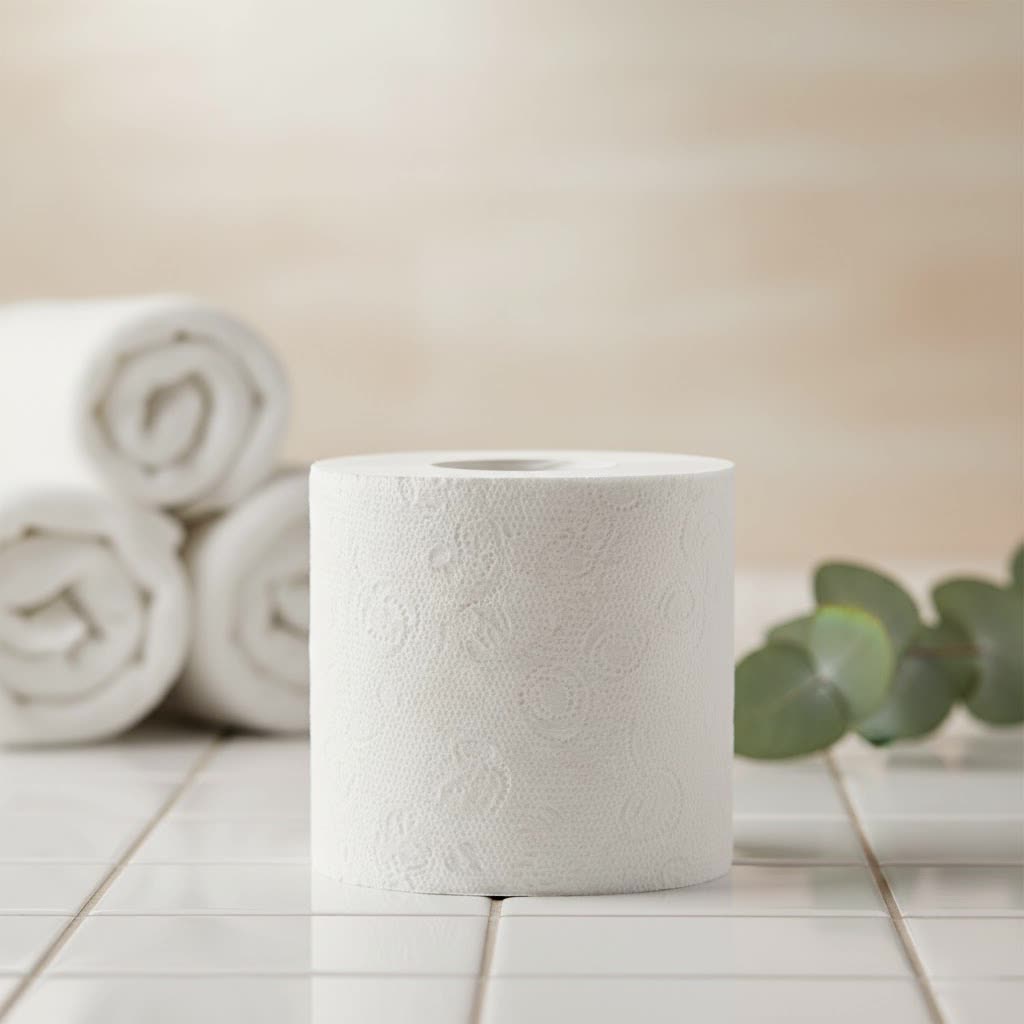
“Reel toilet paper” refers to both the massive industrial parent rolls used in manufacturing and the large-format commercial jumbo rolls (JRT) designed for high-traffic public restrooms. These industrial reels, weighing several tons, are the starting point for all toilet paper products, including the smaller consumer rolls and specialized sustainable options like bamboo-based “Reel Paper” brand. Understanding these distinctions helps consumers and businesses make informed choices based on needs and budget.
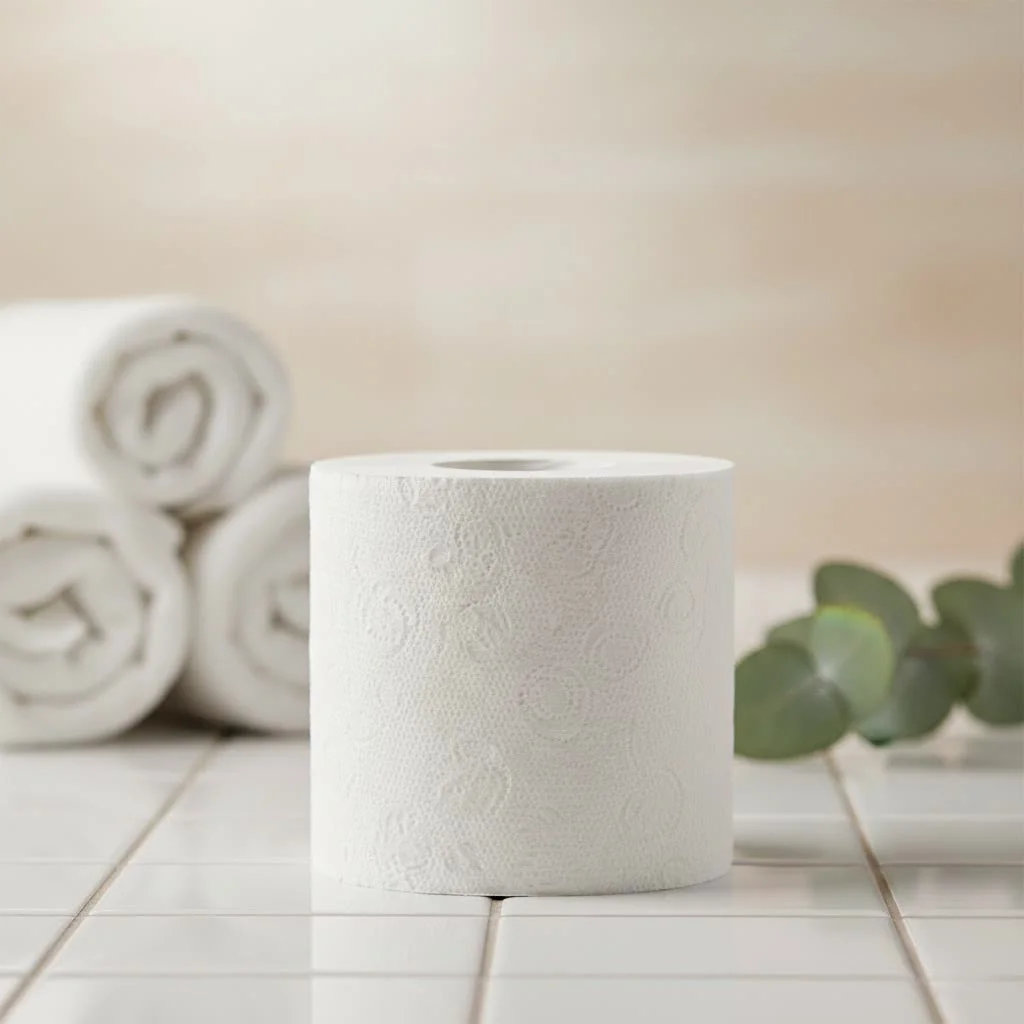
What is Reel Toilet Paper? An Industry and Product Overview
The term “reel toilet paper” can refer to different stages and types within the industry. In manufacturing, a “reel” refers to the massive parent or jumbo rolls of paper produced at the mill. These large tissue reels, often weighing several tons, are the starting point for all subsequent toilet paper products. From these industrial giants, paper is processed into various forms, including the smaller, familiar consumer rolls and the bulkier jumbo rolls designed for commercial use.
The history of toilet paper manufacturing dates back to the mid-19th century, with significant innovations in machinery and materials leading to the diverse range of products available today. Modern production is a blend of advanced technology and precision engineering, ensuring consistent quality and efficiency.
Today, the market offers several primary types:
- Industrial Parent/Jumbo Reels: These are the foundational large rolls of tissue paper produced by paper machines. They are raw, continuous sheets, ready to be processed further into consumer or commercial products.
- Commercial Jumbo Roll Toilet Paper (JRT): These are large-diameter rolls specifically designed for high-traffic public, office, and industrial restrooms. They are known for their extended length, fitting into special dispensers to reduce maintenance time and minimize outages.
- Consumer Toilet Paper Rolls: The standard rolls found in homes, typically smaller and varying in ply count and sheet quantity.
- Specialty and Sustainable Brands: An emerging category focusing on eco-friendly materials and production, such as the “Reel Paper” brand, which specializes in bamboo-based, tree-free, and plastic-free toilet paper.
Noteworthy brands in the commercial space include Scott and Tork, known for their durable, long-lasting jumbo rolls, while “Reel Paper” leads the charge in sustainable consumer options.
Critical Criteria for Selecting Toilet Paper (From Reel to Roll)
Choosing the right toilet paper, whether for a large commercial facility or a sensitive home environment, involves evaluating several key factors. These characteristics are often determined during the initial manufacturing stages, starting with the parent reels.
Material Composition
The raw materials used significantly impact the final product’s quality, environmental footprint, and cost.
- Virgin Pulp: Derived from newly harvested trees, typically softwood (pine, spruce) and hardwood (eucalyptus, birch). Virgin fibers are longer, contributing to superior softness and strength. Many high-quality commercial jumbo rolls also use virgin wood pulp for durability in high-traffic settings.
- Recycled Pulp: Made from recovered paper products. While recycled fibers can be shorter, advancements have improved the quality of recycled toilet paper, making it an eco-friendly choice.
- Alternative Fibers (e.g., Bamboo): Brands like Reel Paper utilize rapidly renewable resources such as bamboo, which grows quickly and requires fewer pesticides and less water, offering a highly sustainable alternative. Bamboo toilet paper is generally 100% biodegradable.
Softness and Absorbency
|
Our Picks for the Best Toilet Paper in 2026
As an Amazon Associate I earn from qualifying purchases.
|
||
| Num | Product | Action |
|---|---|---|
| 1 | Quilted Northern Ultra Plush Toilet Paper, 24 Mega Rolls = 96 Regular Rolls, 3X Thicker*, 3 Ply Soft Toilet Tissue |

|
| 2 | Eco Comfort Pack Bamboo Toilet Paper – 350 Sheets per Roll, 3-Ply Soft & Strong, Plastic-Free Packaging, Septic Safe, Eco Friendly (PREMIUM WHITE, 12 Rolls) |
|
| 3 | Amazon Basics Soft and Strong 2-Ply Toilet Paper, 6 Ultra Rolls = 24 Regular Rolls, Unscented, 340 Sheet (6 Rolls) |
|
| 4 | Amazon Basics FSC-Certified 2-Ply Septic-Safe Toilet Paper, Soft, 350 Sheets per Roll, 30 Rolls = 185 Regular Rolls |
|
| 5 | Scott ComfortPlus Toilet Paper, 12 Double Rolls, 231 Sheets per Roll, Septic-Safe, 1-Ply Toilet Tissue |
|
| 6 | Charmin Ultra Soft Cushiony Touch Toilet Paper, 24 Family Mega = 123 Regular Rolls, White |
|
| 7 | Angel Soft Toilet Paper, 18 Mega Rolls = 72 Regular Rolls, Soft and Strong Toilet Tissue |
|
| 8 | Happy Valentines Day Decorations Gifts for Him Her Girls Women Teens, 3 Ply 150 Sheet Funny Toilet Paper Roll, Red Love Heart Tissue Paper, Friends Bathroom Toilet Themed Party Decorations Favors |
|
| 9 | Scott Professional 100% Recycled Fiber Standard Roll Bulk Toilet Paper (13217), 2-Ply, Elevated Design, White, Individually Wrapped (80 Rolls of 473 Sheets, 37,840 Sheet Total) |
|
| 10 | Amazon Basics FSC-Certified 2-Ply Septic-Safe Toilet Paper, Soft, 350 Sheets per Roll, 6 Rolls = 37 Regular Rolls |
|
These properties are crucial for user comfort and effectiveness. Softness is often achieved through fiber selection (e.g., hardwood pulp) and mechanical treatments during papermaking. Absorbency is enhanced by the paper’s structure and the presence of air pockets, often created through embossing. The ply count (number of layers) directly influences both. Two-ply and three-ply options offer a better balance of softness, strength, and absorbency compared to single-ply.
Strength and Tear Resistance
A strong, tear-resistant toilet paper is essential for efficient cleaning and to prevent mess. Factors contributing to strength include fiber length (longer virgin fibers are generally stronger), ply count, and the manufacturing process, particularly the bonding of layers. Commercial jumbo rolls prioritize strength to withstand heavy use without falling apart.
Size and Quantity
Toilet paper comes in various sizes, from compact consumer rolls to massive commercial jumbo rolls.
- Consumer Rolls: Typically sold in multi-packs, with sheet counts varying by brand and ply.
- Commercial Jumbo Rolls: Designed for efficiency, these can be exceptionally long, with some rolls offering up to 1000 feet of 2-ply tissue, significantly reducing the frequency of roll changes in busy restrooms. This large size translates into lower maintenance and labor costs for facilities.
Cost-Effectiveness
The price of toilet paper can vary widely. While sustainable options or premium multi-ply consumer rolls may have a higher per-roll cost, factors like durability, absorbency, and the number of sheets per roll can influence overall value. Commercial jumbo rolls, despite a higher initial purchase price for a case, are generally more cost-effective in the long run for high-traffic areas due to their longevity and reduced labor for replacement.
Comparing Popular Toilet Paper Formats and Brands
To illustrate the diversity, here’s a general comparison across common toilet paper formats:
| Feature | Standard Consumer Roll (e.g., 2-Ply) | Commercial Jumbo Roll (JRT) | Sustainable Bamboo Roll (e.g., Reel Paper) |
|---|---|---|---|
| Primary Use | Home, small offices | High-traffic commercial, industrial | Home, eco-conscious consumers |
| Material | Virgin or recycled pulp | Virgin or recycled pulp | 100% Bamboo |
| Ply Count | 1-3 ply | 2-3 ply | 3-ply typically |
| Roll Size | Standard diameter, varying sheet count | Large diameter (e.g., 9-inch, 600-1000 ft) | Standard diameter, higher sheet count |
| Softness | Good to excellent | Good | Excellent (often compared to premium brands) |
| Strength | Good | Excellent | Excellent |
| Absorbency | Good | Good to excellent | Excellent |
| Cost-Effectiveness | Varies, can be more frequent purchasing | High (due to less frequent changes) | Good (due to fewer sheets needed, subscription savings) |
| Environmental Impact | Varies (virgin pulp often higher) | Varies (can be recycled options) | Low (tree-free, plastic-free, carbon neutral) |
| Dispenser Needs | Standard residential | Commercial jumbo dispenser | Standard residential |
Guide to Choosing the Right Toilet Paper for Your Needs
Selecting the ideal toilet paper requires careful consideration of specific usage, product details, and purchasing options.
Identify Usage Requirements
The environment in which the toilet paper will be used is paramount.
- For Households: Prioritize softness, strength, and any specific health requirements (e.g., hypoallergenic for sensitive skin). Consider bulk purchasing for convenience.
- For Offices and Low-Traffic Commercial Areas: A balance of quality and cost-effectiveness is key. Regular-sized rolls or smaller jumbo rolls might suffice.
- For High-Traffic Public Restrooms (Restaurants, Schools, Factories): Durability, capacity, and minimal maintenance are critical. Commercial jumbo rolls are the clear choice, significantly reducing the need for frequent refills.
- For Eco-Conscious Users: Look for products made from sustainable materials like bamboo or recycled paper, with certifications like FSC and plastic-free packaging, such as Reel Paper.
Read Product Information Carefully
Always scrutinize product labels and descriptions.
- Ingredients and Certifications: Check for virgin pulp, recycled content, or alternative fibers like bamboo. Look for certifications such as FSC (Forest Stewardship Council) or PEFC, which indicate responsible sourcing. Many quality jumbo rolls are also FSC and ISO certified.
- Ply and Sheet Count: These indicate thickness and quantity.
- Dye and Fragrance-Free Options: Important for individuals with sensitive skin or allergies. Brands like Reel Paper are free of dyes and inks.
- Septic-Safe: Ensure the toilet paper breaks down easily to prevent plumbing issues, especially for commercial properties.
Where to Purchase
- Supermarkets and Convenience Stores: Best for standard consumer rolls.
- Bulk Suppliers and Wholesalers: Ideal for commercial jumbo rolls, offering significant cost savings for large quantities.
- Online Retailers and Subscription Services: Platforms like Reel Paper offer convenient delivery, often with subscription discounts. This can be beneficial for both consumers and smaller businesses.
Top Toilet Paper Choices Today (Including Reel Paper Insights)
The market offers a range of excellent options, catering to diverse preferences and priorities:
- For High-Volume Commercial Needs: Brands like Scott and Tork provide robust 2-ply or 3-ply jumbo rolls, such as the Scott 1000 jumbo roll, known for their impressive length (e.g., 1000 feet) and compatibility with universal dispensers. These products emphasize durability, absorbency, and cost-efficiency through reduced maintenance.
- For Premium Softness and Strength: Many established consumer brands offer multi-ply options with advanced embossing for a luxurious feel and superior performance.
- For Sustainable Living: Reel Paper stands out with its 100% bamboo toilet paper, offering a tree-free, plastic-free solution without compromising on softness or strength. Their commitment to carbon-neutral shipping and support for sanitation projects further enhances their appeal for environmentally conscious consumers. “Doesn’t pill like regular toilet paper and is made from sustainable bamboo.”
Important Tips for Toilet Paper Usage and Storage
Proper usage and storage prolong the life of your toilet paper and maintain hygiene.
- Use Appropriately: While multi-ply papers often mean fewer sheets are needed per use, being mindful of consumption helps reduce waste.
- Store in Dry Conditions: Toilet paper should always be stored in a cool, dry place away from moisture to prevent degradation and mold growth.
- Handle with Care: Especially with softer, more delicate rolls, avoid rough handling that could tear or damage the paper before use.
- Dispose Responsibly: Always flush toilet paper down the toilet. For any other paper products, use appropriate waste bins.
- For Commercial Settings: Ensure dispensers are properly maintained and refilled promptly to avoid inconvenience in high-traffic areas. Compatibility of jumbo rolls with universal dispensers makes this easier.
Conclusion
From the giant industrial parent reels at the heart of manufacturing to the diverse array of consumer and commercial products, “reel toilet paper” encapsulates a wide spectrum of tissue paper innovation. The evolution of toilet paper reflects a continuous pursuit of hygiene, comfort, efficiency, and increasingly, sustainability. By understanding the manufacturing process, the various types available, and the key criteria for selection, you can confidently choose the optimal toilet paper solution for any setting. Whether prioritizing industrial efficiency, everyday comfort, or ecological impact, informed choices lead to better outcomes for both users and the environment.
What aspects of toilet paper innovation do you find most impactful in today’s market?
Frequently Asked Questions
How to Choose the Right Toilet Paper for Your Needs
Selecting the ideal toilet paper requires careful consideration of specific usage, product details, and purchasing options to ensure comfort, efficiency, and sustainability.
Determine the environment where the toilet paper will be used. For households, prioritize softness and strength; for high-traffic commercial areas, focus on durability and capacity, often opting for commercial jumbo rolls. Eco-conscious users should seek sustainable materials like bamboo.
Scrutinize product labels for material composition (virgin, recycled, or alternative fibers like bamboo), ply and sheet count, and certifications such as FSC or PEFC. Check for dye- and fragrance-free options for sensitive skin and ensure the product is septic-safe to prevent plumbing issues.
Evaluate these properties based on user comfort and effectiveness. Softness is influenced by fiber selection and treatments, while absorbency is enhanced by paper structure and embossing. A higher ply count (2-ply or 3-ply) generally offers a better balance of these characteristics.
Choose between compact consumer rolls and massive commercial jumbo rolls based on traffic volume and maintenance needs. While premium or sustainable options may have a higher per-roll cost, commercial jumbo rolls often provide better long-term value for high-traffic areas due to their longevity and reduced labor for replacement.
Standard consumer rolls are readily available in supermarkets. For commercial jumbo rolls, bulk suppliers and wholesalers offer significant cost savings. Online retailers and subscription services, like those for Reel Paper, provide convenient delivery and potential discounts for both consumers and smaller businesses.
Get our weekly buyer guide
Practical specs, not advice. Unsubscribe anytime.

This was super informative! I never thought about the ‘parent rolls’ weighing several tons. It’s fascinating to understand how all toilet paper starts from these huge industrial reels before becoming the smaller rolls we buy. It definitely gives me a new perspective on the whole production process.
I appreciate the info on the jumbo rolls for public restrooms. I’ve noticed some places use those huge JRTs and they can be a bit thin sometimes. While it’s good to know the manufacturing process, I still wish some of those commercial options had better ply. It feels like a trade-off between convenience and actual quality.
I always wondered about the difference between commercial and home toilet paper, and this really cleared it up. We switched to a bamboo-based brand recently, and knowing it comes from those same massive industrial reels but is then processed for sustainability makes me feel even better about our choice. It’s surprisingly soft for being so eco-friendly!
As someone who’s always looking for the best value, understanding the distinction between industrial reels and consumer rolls is really helpful. It makes sense why some brands can offer better pricing when you consider the scale of those initial manufacturing stages. I’m definitely going to pay more attention to how different brands talk about their sourcing now.