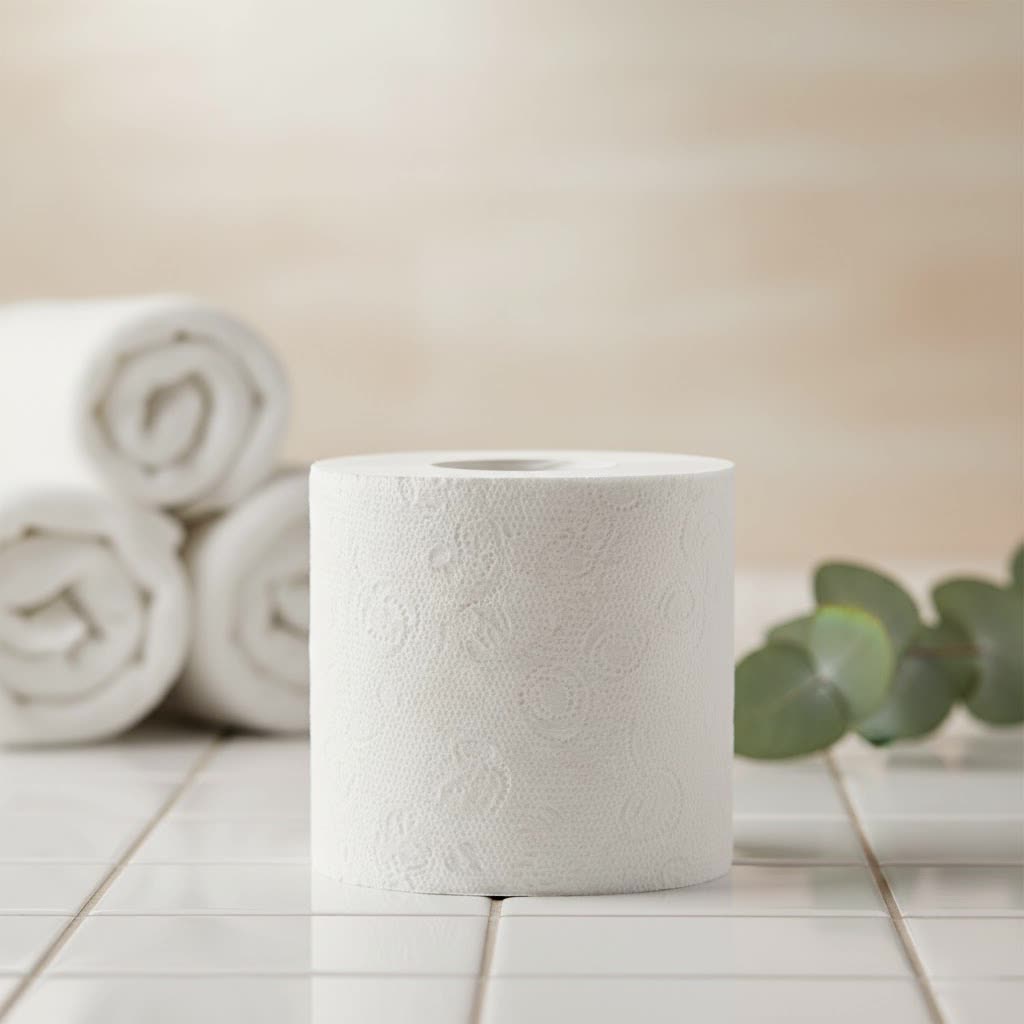
Have you ever considered the environmental impact of your daily bathroom routine? The average household consumes a significant amount of traditional disposable toilet paper annually, contributing to deforestation, pollution, and waste. Reusable Toilet Paper, also known as “family cloth” or “unpaper toilet paper,” offers a sustainable and often more comfortable alternative, inviting you to rethink what’s possible in personal hygiene. This comprehensive guide will explore everything you need to know about making the switch, from understanding its benefits and drawbacks to proper care and selection.
Reusable Toilet Paper: What It Is and Its Growing Market
Reusable toilet paper refers to washable cloth wipes designed to replace conventional disposable toilet paper. Made typically from soft, absorbent fabrics like cotton flannel, these squares or rolls are used for personal hygiene and then laundered for reuse. The concept mirrors that of cloth diapers, providing an eco-conscious alternative that reduces waste and reliance on tree-based products.
The market for reusable toilet paper is steadily growing as more consumers seek sustainable living solutions. Once considered a niche product, its availability has expanded, with various brands offering diverse materials, patterns, and kit options. This shift reflects a broader societal interest in reducing household waste and making more environmentally responsible choices.
What is Toilet Paper? An Overview of the Market
|
Our Picks for the Best Toilet Paper in 2026
We may earn a commission when you use one of our links to make a purchase.
|
||
| Num | Product | Action |
|---|---|---|
| 1 | Amazon Basics Soft and Strong 2-Ply Toilet Paper, 6 Ultra Rolls = 24 Regular Rolls, Unscented, 340 Sheet (6 Rolls) |

|
| 2 | Scott ComfortPlus Toilet Paper, 12 Double Rolls, 231 Sheets per Roll, Septic-Safe, 1-Ply Toilet Tissue |
|
| 3 | Happy Valentines Day Decorations Gifts for Him Her Girls Women Teens, 3 Ply 150 Sheet Funny Toilet Paper Roll, Red Love Heart Tissue Paper, Friends Bathroom Toilet Themed Party Decorations Favors |
|
| 4 | Angel Soft Toilet Paper, 18 Mega Rolls = 72 Regular Rolls, Soft and Strong Toilet Tissue |
|
| 5 | Charmin Ultra Soft Cushiony Touch Toilet Paper, 24 Family Mega = 123 Regular Rolls, White |
|
| 6 | Amazon Basics FSC-Certified 2-Ply Septic-Safe Toilet Paper, Soft, 350 Sheets per Roll, 6 Rolls = 37 Regular Rolls |
|
| 7 | Eco Comfort Pack Bamboo Toilet Paper – 350 Sheets per Roll, 3-Ply Soft & Strong, Plastic-Free Packaging, Septic Safe, Eco Friendly (PREMIUM WHITE, 12 Rolls) |
|
| 8 | Quilted Northern Ultra Plush Toilet Paper, 24 Mega Rolls = 96 Regular Rolls, 3X Thicker*, 3 Ply Soft Toilet Tissue |
|
| 9 | Amazon Basics FSC-Certified 2-Ply Septic-Safe Toilet Paper, Soft, 350 Sheets per Roll, 30 Rolls = 185 Regular Rolls |
|
| 10 | Scott Professional 100% Recycled Fiber Standard Roll Bulk Toilet Paper (13217), 2-Ply, Elevated Design, White, Individually Wrapped (80 Rolls of 473 Sheets, 37,840 Sheet Total) |
|
Traditional toilet paper is a single-use paper product designed for personal hygiene after using the toilet. Historically, people have used a wide array of materials for this purpose, from leaves to water. The modern toilet paper market, particularly for disposable options, is vast, encompassing single-ply, two-ply, and three-ply variations, often differentiated by softness, strength, and absorbency. Brands often compete on features like scent, lotion infusion, and environmental certifications (e.g., recycled content, bamboo).
For reusable toilet paper, the market focuses on durability, softness, and ease of washing. Manufacturers often highlight the long-term cost savings and ecological benefits, appealing to a demographic keen on reducing their carbon footprint. Popular brands offer products made from 100% cotton flannel or organic bamboo, sometimes sold in sets with dedicated storage solutions for both clean and used wipes.
Essential Criteria for Choosing Reusable Toilet Paper
Selecting the right reusable toilet paper involves considering several factors to ensure comfort, hygiene, and durability. Prioritizing these criteria will help you find a product that seamlessly integrates into your lifestyle and meets your personal preferences. The initial investment might be higher than a single pack of disposable paper, but the long-term savings and environmental benefits are substantial.
Material: Recycled vs. Virgin Pulp (for disposable context) vs. Cloth
When considering the material for reusable toilet paper, the primary choice is typically between different types of fabric. Unlike disposable options that might use recycled paper or virgin wood pulp, reusable versions are crafted from textiles. Cotton flannel is a popular choice due to its softness, absorbency, and durability. Other fabrics like bamboo are also gaining traction for their sustainable properties and gentle feel on the skin.
Each fabric type offers distinct advantages. Cotton flannel is known for its plush texture and ability to become softer with each wash, providing a comfortable wipe. Bamboo, derived from a fast-growing, renewable resource, is often lauded for its inherent antibacterial properties and exceptional absorbency. Both materials are generally free from the harsh bleaching chemicals sometimes associated with traditional disposable toilet paper production, offering a gentler option for sensitive skin.
Softness and Absorbency: Enhancing the User Experience
The softness and absorbency of reusable toilet paper are crucial for a comfortable and effective experience. High-quality reusable wipes are designed to be notably softer than many disposable papers, providing a luxurious feel. Their fabric construction allows for superior absorbency, often meaning you need fewer wipes per use compared to disposable alternatives.
You can often gauge the softness by simply touching the fabric; a good reusable cloth will feel plush and gentle. Absorbency tends to improve after the first few washes as the fibers “bloom.” This characteristic ensures a thorough clean and contributes to a more pleasant bathroom routine. Many users find the softness of cloth wipes to be a significant upgrade from conventional toilet paper.
Durability and Tear Resistance: Built to Last
The durability and tear resistance of reusable toilet paper are key to its long-term value and sustainability. Unlike disposable paper, which is designed to break down, reusable wipes are constructed to withstand repeated washing and drying cycles. High-quality fabric, often with reinforced stitching, prevents fraying and tearing, ensuring each piece lasts for years.
The ability of the cloth to hold up over time directly translates to cost savings and reduced environmental impact. Materials like robust cotton flannel or dense bamboo fibers inherently possess greater strength. Always look for products with well-finished edges and a good weight to the fabric, indicating a durable item that can endure the rigors of regular use.
Size and Quantity: Matching Your Needs
Considering the size and quantity of reusable toilet paper is important for practical daily use. Wipes typically come in squares or rectangles, with common dimensions ranging from 4×4 inches to 6×6 inches. The ideal size can depend on personal preference and whether you fold or scrunch your wipes. Some people prefer larger wipes for broader coverage, while others find smaller ones sufficient, especially when paired with a bidet.
The quantity needed varies greatly by household size and laundry frequency. A single person might start with 24-36 pieces, while a family may require 60 or more to ensure a continuous supply between washes. Many brands offer starter kits with a convenient number of wipes, often rolled onto a central tube for easy dispensing, mimicking traditional toilet paper rolls. Calculating your needs helps ensure you never run out and can maintain a consistent washing routine.
Price: Investment vs. Long-Term Savings
The price of reusable toilet paper is an upfront investment that yields significant long-term savings. While a single roll or pack of disposable toilet paper appears cheaper, the recurring cost over months and years adds up substantially. A set of reusable wipes, though initially costing more, can last for five years or even longer, effectively eliminating the continuous expense of buying disposable options.
Prices for reusable toilet paper vary depending on the brand, material (e.g., organic cotton, bamboo), and quantity. Expect to find sets ranging from $20 to $60, sometimes more for larger collections or premium fabrics. When evaluating the cost, consider the number of disposable rolls it replaces and the environmental benefits, making it a sound financial and ecological decision over time.
Comparing Popular Reusable Toilet Paper Options
Reusable toilet paper options generally differentiate themselves by material, size, and how they are sold (e.g., individual wipes, rolls with snaps). While specific brand details may vary, a general comparison of types can help in understanding the market.
| Feature | Cotton Flannel Wipes | Bamboo Wipes | Mixed Material Wipes |
|---|---|---|---|
| Material | 100% Cotton Flannel | Bamboo fiber blends | Cotton, hemp, or other blends |
| Softness | Very soft, often softens with washing | Extremely soft, silky feel | Varies by blend, generally soft |
| Absorbency | Good, improves over time | Excellent, naturally quick-drying | Good, depends on fiber composition |
| Durability | Highly durable, long-lasting | Durable, can be prone to shrinking | Generally durable |
| Eco-Impact | Sustainable if organic cotton used | Highly sustainable, fast-growing | Varies by sourced materials |
| Cost Range | Mid-range | Slightly higher due to material | Varies |
| General Review | Classic, reliable, comfortable | Premium feel, often quick-drying | Offers variety of textures/benefits |
A Guide to Choosing Reusable Toilet Paper for Your Needs
Finding the perfect reusable toilet paper means aligning your choice with your lifestyle and priorities. With various options available, considering your specific situation will help you make an informed decision and ensure a smooth transition to this sustainable practice. This involves thinking about who will be using the wipes and what factors are most important to you.
Determine Your Usage Needs
Before committing to reusable toilet paper, consider who will be using it and for what purpose. For single individuals or couples primarily using wipes for “pee” (urine) only, a smaller set of highly absorbent, soft wipes might be sufficient. Families, especially those with multiple users or children, will likely need a larger inventory to manage laundry cycles efficiently.
If you plan to use reusable wipes for both “number one” and “number two,” pairing them with a bidet is highly recommended. A bidet significantly reduces the amount of soiling on the cloth, making the cleanup process much less daunting and more hygienic. Understanding your daily habits will guide your selection of material, quantity, and preferred storage solutions.
Thoroughly Read Product Information
Always take the time to read product descriptions, certifications, and user reviews before purchasing reusable toilet paper. Information about the fabric composition (e.g., 100% organic cotton, bamboo blend), care instructions, and manufacturing processes can provide valuable insights into quality and sustainability. Look for certifications that confirm eco-friendly sourcing or ethical production.
User reviews offer real-world perspectives on softness, absorbency, durability, and ease of washing. They can highlight practical considerations, such as how well the wipes integrate with a bidet or how they hold up after multiple washes. Pay attention to feedback regarding staining or shrinkage, which can inform your expectations and care routine.
Where to Purchase
Reusable toilet paper can be found in various retail environments, both online and in physical stores specializing in eco-friendly products. Online marketplaces and dedicated zero-waste shops often offer the widest selection of brands, materials, and kit configurations. These platforms typically provide detailed product descriptions and customer reviews, aiding your decision-making.
For those who prefer to see and feel the product, some natural living stores, co-ops, or specialty boutiques might stock reusable toilet paper. When buying online, research the retailer’s return policy and shipping practices. Consider purchasing from companies that prioritize sustainable packaging and ethical business practices to align with the overall ethos of reusable products.
Top-Rated Reusable Toilet Paper Brands Today
While the “best” brand often comes down to personal preference, several reusable toilet paper brands consistently receive high marks for quality, durability, and user satisfaction. These brands typically offer products made from soft, absorbent, and sustainable materials, making the transition to family cloth a comfortable and practical experience. Many provide full kits including storage solutions for both clean and soiled wipes, streamlining the process for new users.
For instance, Marley’s Monsters is highly regarded for its wide range of patterns and high-quality cotton flannel. Users often praise their wipes for being soft and effective, sometimes even improving with age and washing. Another popular option is Creekside Kid, known for its diverse selection of fabrics and designs, catering to various aesthetic preferences. Green Little Nest also earns accolades for its organic cotton flannel “unpaper” and bidet cloth wipes, appealing to those seeking certified organic options. Rag Pads stands out with one of the widest selections of patterns, sizes, and materials, including unbleached GOTS-certified organic cotton flannel, and offers various accessories like stylish cloth holders and wet bags. These brands often emphasize eco-conscious manufacturing and durability, ensuring a worthwhile investment in sustainable hygiene.
Important Considerations for Using and Storing Reusable Toilet Paper
Adopting reusable toilet paper involves a few key practices to ensure optimal hygiene and longevity of your wipes. Understanding how to use and store them correctly will help maintain cleanliness and make the system convenient for daily life. These tips are designed to simplify the process and address common concerns.
Using reusable toilet paper correctly means having a system in place. Keep a supply of clean wipes readily accessible near the toilet. After use, place soiled wipes into a dedicated, sealed container, wet bag, or small laundry hamper. This prevents odors and keeps them separate from other household laundry until wash day.
For optimal hygiene, especially after “number two,” many users find that a bidet significantly enhances the effectiveness and cleanliness of reusable wipes. A quick rinse with a bidet before using a cloth wipe ensures a more thorough clean and minimizes the amount of residue on the fabric. If you don’t have a bidet, dry wipes can still be used, but pre-wetting them with a spray bottle can aid in cleaning.
Proper Cleaning and Maintenance
Washing reusable toilet paper is similar to laundering other soiled items like cloth diapers or towels, requiring attention to temperature and detergent. Most manufacturers recommend washing in a hot water cycle (at least 140°F/60°C) with your regular laundry detergent. For an extra sanitizing boost, you can add a small amount of vinegar to the rinse cycle. Avoid using fabric softeners, as they can reduce absorbency over time.
“Using a hot water wash at 160°F (71°C) for at least 25 minutes, or a machine’s sanitize setting, is effective for cleaning reusable toilet paper,” advises experts. After washing, tumble dry on a medium setting or, preferably, air dry in direct sunlight. Air drying not only saves energy but can also help naturally sanitize and whiten the cloths. Ensure wipes are completely dry before storing them to prevent mildew.
Storage and Organization
Effective storage and organization are crucial for a hassle-free reusable toilet paper system. Clean wipes can be neatly stacked in a basket, folded in a drawer, or even rolled onto a central core to mimic a traditional toilet paper roll dispenser. Having a sufficient supply ensures you always have clean wipes available between laundry days.
For used wipes, a small, lidded wet bag or a designated laundry pail with a tight-fitting lid is essential. This prevents odors from escaping and keeps soiled items contained until they are ready for washing. Some systems use a mesh laundry bag inside the pail, allowing you to simply lift the bag and toss it directly into the washing machine without handling the dirty wipes. Proper storage ensures both cleanliness and convenience for everyone in the household.
Conclusion
Embracing reusable toilet paper is a meaningful step towards a more sustainable lifestyle, offering environmental benefits, cost savings, and enhanced comfort. While the initial thought may require an adjustment, the practicality and positive impact quickly become evident. By choosing quality materials, establishing a simple washing routine, and maintaining good organization, you can seamlessly integrate reusable toilet paper into your daily life.
Are you ready to make a positive change for your personal hygiene and the planet by exploring the world of reusable toilet paper?
Frequently Asked Questions
Is reusable toilet paper truly sanitary?
Yes, when washed correctly, reusable toilet paper is sanitary. Similar to how cloth diapers are cleaned, a hot water wash cycle (above 140°F/60°C) with detergent effectively sanitizes the fabric, eliminating bacteria and ensuring cleanliness for reuse.
How many reusable toilet paper wipes do I need?
The ideal number depends on your household size and how often you do laundry. For a single person, 24-36 wipes might suffice for 2-3 days between washes. A family may need 60-100 wipes to ensure a continuous supply throughout the week.
Can I use reusable toilet paper for both “number one” and “number two”?
Yes, you can use it for both. For “number two,” it is highly recommended to use a bidet first to cleanse the area, significantly reducing the amount of soiling on the reusable wipe and making the cleaning process much easier.
How do I store used reusable toilet paper before washing?
Store used reusable toilet paper in a dedicated, sealed container or a wet bag with a tight closure. This prevents odors and keeps the soiled wipes contained until they are ready to be transferred to the washing machine, ideally every 2-3 days.
Will reusable toilet paper clog my plumbing system?
Unlike disposable toilet paper, which is designed to break down, reusable cloth wipes will not dissolve. If accidentally flushed, they can clog your plumbing system. Always dispose of used wipes in a dedicated hamper, not the toilet.
Is reusable toilet paper more environmentally friendly than disposable?
Generally, yes. Reusable toilet paper reduces deforestation, water, and energy used in manufacturing disposable paper, and minimizes landfill waste. While washing requires water and energy, the overall lifecycle impact is often lower than continuous production of disposable products.
How long does reusable toilet paper last?
With proper care and maintenance, good quality reusable toilet paper can last for many years, typically between 3 to 5 years, and sometimes even longer. This longevity contributes significantly to its cost-effectiveness and environmental benefits over time.