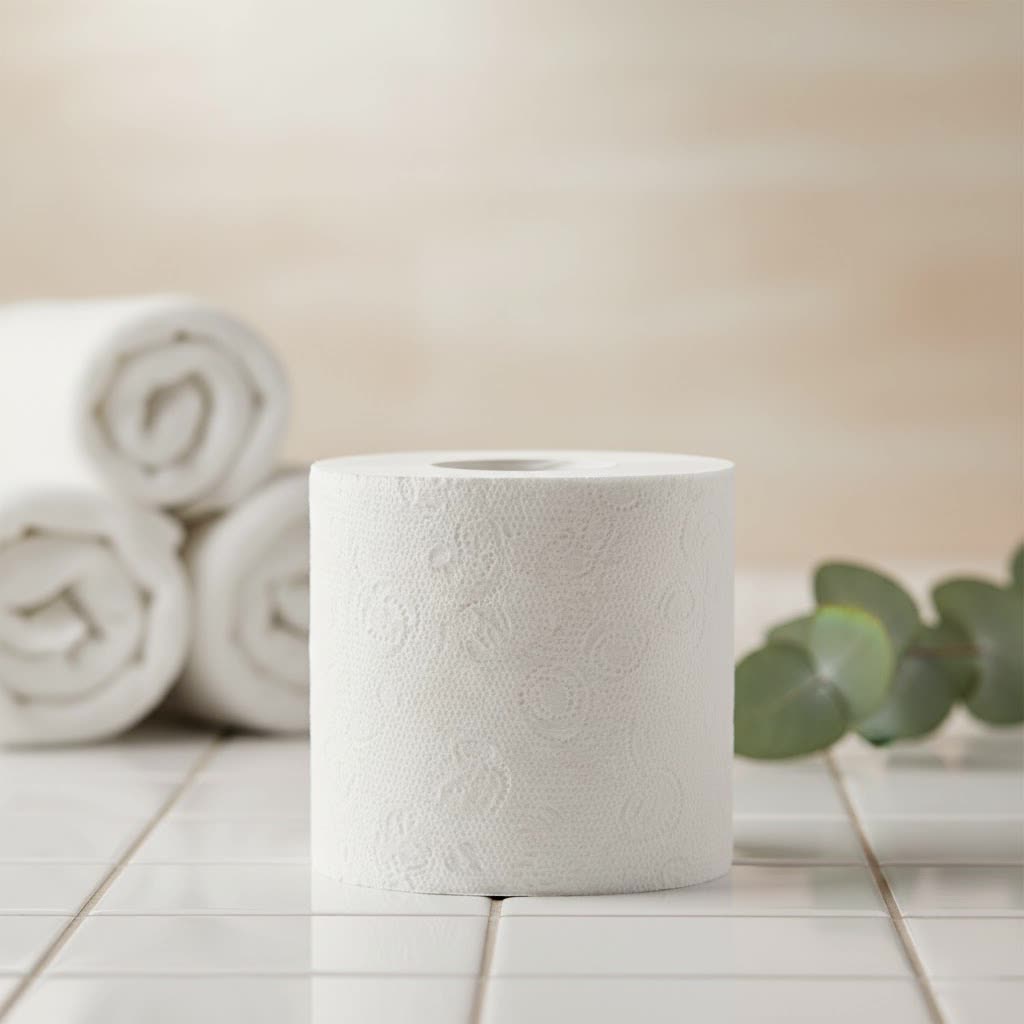
Choosing the right toilet paper for your household is often an overlooked decision, yet it significantly impacts comfort, hygiene, and even plumbing health. With an array of options available, from single-ply economy rolls to luxurious multi-ply varieties, discerning the best fit can be challenging. Among the most indulgent choices is 4-ply toilet paper, a product often associated with unparalleled softness and strength. But what exactly defines 4-ply, and does its premium status truly justify its potential drawbacks? This comprehensive guide will unravel the layers of 4-ply toilet paper, exploring its characteristics, benefits, considerations, and how it stacks up against its thinner counterparts, helping you make an informed decision for your home.
What is 4-Ply Toilet Paper? A Deep Dive into Its Layers and Evolution
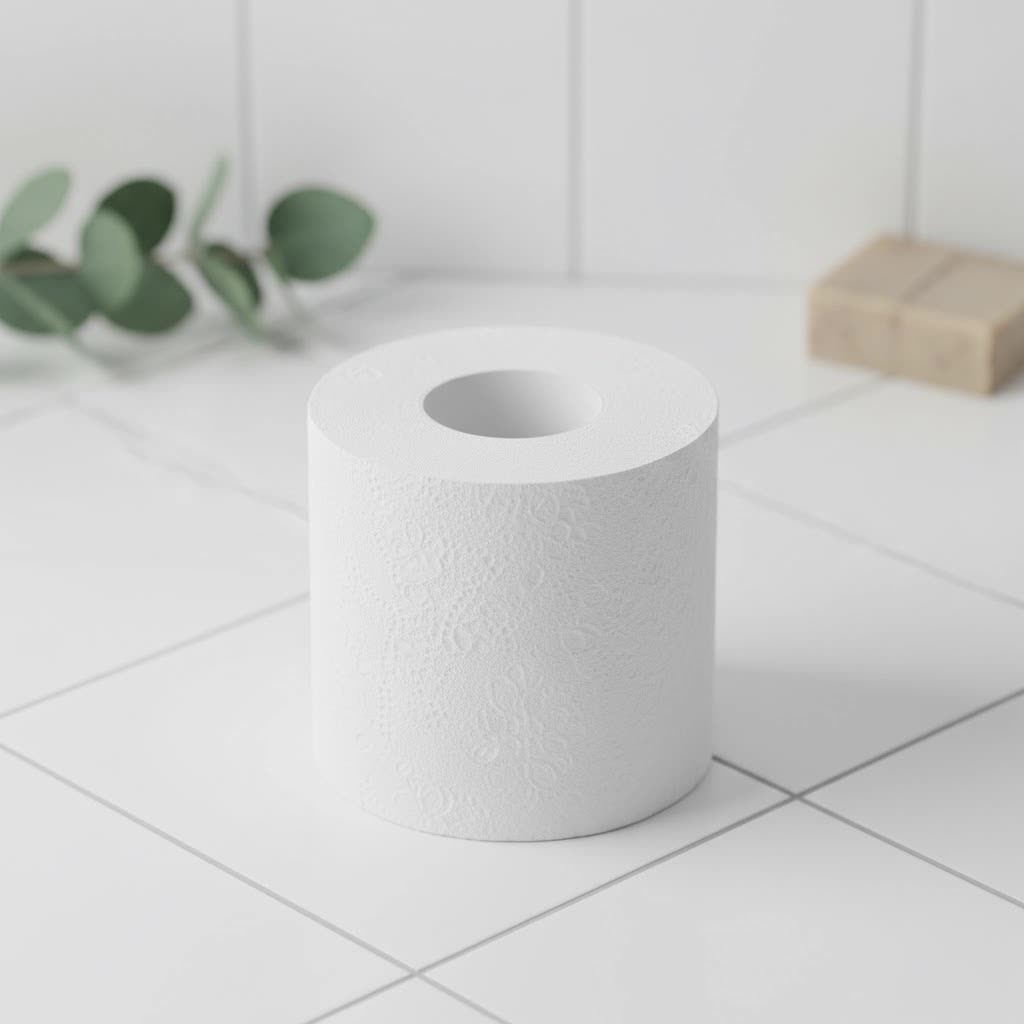
In the realm of bathroom tissue, “ply” refers to the number of layers that constitute a single sheet of toilet paper. Each layer contributes to the overall thickness, strength, and absorbency of the product. Four-ply toilet paper, therefore, is constructed from four distinct layers, making it the thickest and often the most luxurious option available. Some descriptions even suggest it’s like two layers of 2-ply toilet paper bonded together for enhanced performance. While single-ply focuses on economy and biodegradability, and 2-ply and 3-ply strike a balance between comfort and practicality, 4-ply represents the pinnacle of plushness and durability, offering a noticeably more cushioned feel.
Historically, toilet paper has evolved from rudimentary, single-sheet options to the sophisticated, multi-layered products we see today. The introduction of multiple plies aimed to address user demands for greater comfort, strength, and effectiveness. Four-ply toilet paper is a relatively niche offering, often referred to as the “unicorn of the toilet paper world” due to its limited availability compared to more common 2-ply and 3-ply options. This scarcity often means that consumers must scrutinize product labels carefully, as some brands might market highly soft 3-ply paper with “ultra-plush” descriptions that can be mistaken for a genuine 4-ply product.
Key Criteria for Choosing Toilet Paper: Is 4-Ply the Right Choice?
When selecting toilet paper, several factors come into play, influencing everything from your daily comfort to your plumbing system’s longevity. Understanding these criteria is essential, especially when considering a premium option like 4-ply.
Material: Virgin Pulp vs. Recycled and Safety Certifications
|
Our Picks for the Best Toilet Paper in 2026
We may earn a commission when you use one of our links to make a purchase.
|
||
| Num | Product | Action |
|---|---|---|
| 1 | Amazon Basics FSC-Certified 2-Ply Septic-Safe Toilet Paper, Soft, 350 Sheets per Roll, 30 Rolls = 185 Regular Rolls |

|
| 2 | Eco Comfort Pack Bamboo Toilet Paper – 350 Sheets per Roll, 3-Ply Soft & Strong, Plastic-Free Packaging, Septic Safe, Eco Friendly (PREMIUM WHITE, 12 Rolls) |
|
| 3 | Angel Soft Toilet Paper, 18 Mega Rolls = 72 Regular Rolls, Soft and Strong Toilet Tissue |
|
| 4 | Scott ComfortPlus Toilet Paper, 12 Double Rolls, 231 Sheets per Roll, Septic-Safe, 1-Ply Toilet Tissue |
|
| 5 | Scott Professional 100% Recycled Fiber Standard Roll Bulk Toilet Paper (13217), 2-Ply, Elevated Design, White, Individually Wrapped (80 Rolls of 473 Sheets, 37,840 Sheet Total) |
|
| 6 | Charmin Ultra Soft Cushiony Touch Toilet Paper, 24 Family Mega = 123 Regular Rolls, White |
|
| 7 | Happy Valentines Day Decorations Gifts for Him Her Girls Women Teens, 3 Ply 150 Sheet Funny Toilet Paper Roll, Red Love Heart Tissue Paper, Friends Bathroom Toilet Themed Party Decorations Favors |
|
| 8 | Amazon Basics FSC-Certified 2-Ply Septic-Safe Toilet Paper, Soft, 350 Sheets per Roll, 6 Rolls = 37 Regular Rolls |
|
| 9 | Quilted Northern Ultra Plush Toilet Paper, 24 Mega Rolls = 96 Regular Rolls, 3X Thicker*, 3 Ply Soft Toilet Tissue |
|
| 10 | Amazon Basics Soft and Strong 2-Ply Toilet Paper, 6 Ultra Rolls = 24 Regular Rolls, Unscented, 340 Sheet (6 Rolls) |
|
The raw materials used to produce toilet paper significantly impact its quality and environmental footprint. Most toilet paper, particularly multi-ply, is made from virgin wood pulp, which is prized for its softness and strength. Recycled paper, while more environmentally friendly, can sometimes result in a coarser texture. Four-ply toilet paper, by its nature, requires a substantial amount of material, often leading to a greater reliance on virgin wood pulp. This increased material demand can contribute to a larger ecological footprint compared to thinner, often recycled, alternatives.
Consumers should also look for certifications that ensure product safety and sustainability. While specific 4-ply certifications are rare, general toilet paper should ideally be free from harsh chemicals, dyes, and bleaching agents that could irritate sensitive skin or harm the environment.
Softness and Absorbency: The Plush Advantage of 4-Ply
The most compelling draw of 4-ply toilet paper is its exceptional softness and superior absorbency. The multiple layers create a thick, cushioned feel that offers ultimate comfort during use. For individuals with sensitive skin or those simply seeking a more luxurious experience, the enhanced plushness of 4-ply is often unmatched. This density also translates into superior absorbency, meaning the toilet paper can effectively clean with fewer sheets. The extra layers quickly wick away moisture, providing a more efficient and satisfying wipe.
Strength and Tear Resistance: Built for Durability
Nobody wants toilet paper that tears or breaks during use, leading to an uncomfortable and unhygienic experience. Four-ply toilet paper excels in this regard due to its robust construction. The four combined layers provide significant tensile strength and tear resistance, offering a reliable barrier and ensuring durability. This enhanced strength means you’re less likely to experience accidental rips, contributing to a more confident and effective cleaning process.
Size and Quantity: Maximizing Value
While 4-ply toilet paper rolls might appear similar in size to other varieties, the sheer density of the paper means there’s often more material packed into each roll. Although the initial cost per roll is typically higher, the superior strength and absorbency of 4-ply can sometimes translate into using fewer sheets per wipe. This efficiency can potentially make a roll last longer, offering a different kind of value calculation for consumers. However, it’s crucial to consider the overall sheet count and roll length when comparing prices to truly assess cost-effectiveness.
Cost: The Price of Premium Comfort
There’s no denying that 4-ply toilet paper generally occupies the highest price point in the market. The additional layers, superior materials, and often more intricate manufacturing process contribute to its premium cost. For many households, this higher expense can be a significant deterrent. It becomes a balance between desiring the ultimate in comfort and absorbency versus adhering to a budget. Consumers must weigh the perceived benefits of luxury and efficiency against the increased financial outlay.
4-Ply Toilet Paper vs. 1, 2, and 3-Ply: A Detailed Comparison
Understanding the differences between toilet paper plies is crucial for making the best choice for your needs. Here’s a comparison of how 4-ply stacks up against its common counterparts:
| Feature | 1-Ply Toilet Paper | 2-Ply Toilet Paper | 3-Ply Toilet Paper | 4-Ply Toilet Paper |
|---|---|---|---|---|
| Softness | Harsher, least comfortable | Adequate, balance of softness and strength | Luxurious, softer, cushioned feel | Ultimate, unparalleled plushness and comfort |
| Strength | Weakest, prone to tearing | Standard strength, generally reliable | Stronger, good tear resistance | Most durable, highly resistant to tearing |
| Absorbency | Least absorbent | Standard absorbency | High absorbency, efficient | Superior absorbency, maximum efficiency |
| Cost | Most economical | Economical, budget-friendly | Higher cost than 2-ply | Most expensive, premium price point |
| Environmental Impact | Generally lowest (often recycled) | Moderate | Higher | Highest (more virgin pulp, energy, water) |
| Plumbing Risk | Lowest, dissolves easily | Low, generally safe for most systems | Moderate, some clogging risk with overuse | Highest, highly prone to clogging, especially for older pipes/septic systems |
| Availability | Common, especially in commercial settings | Widely available, standard choice | Common in premium brands | Limited, relatively rare |
| General Assessment | Basic, functional, eco-conscious option | Standard, practical, widely used | Premium, balanced luxury and practicality | Ultimate luxury, maximum performance, but with trade-offs |
Is 4-Ply Toilet Paper Right for You? A Buyer’s Guide
Deciding whether 4-ply toilet paper is the ideal choice involves a careful evaluation of your personal preferences, household needs, and practical considerations.
Assessing Your Needs: Home, Office, or Sensitive Skin?
Four-ply toilet paper is particularly well-suited for specific scenarios. If you prioritize ultimate comfort and a luxurious feel, especially for sensitive skin, 4-ply can be an excellent indulgence. It’s often chosen for guest bathrooms or high-end establishments where a premium experience is desired. However, for everyday use in a large family household or an office setting where budget and plumbing concerns are paramount, a 2-ply or 3-ply option might prove more practical and cost-effective.
Understanding Product Information and User Reviews
Given the limited availability of genuine 4-ply products, it’s vital to read product descriptions and user reviews thoroughly. Verify the actual ply count, look for details on material composition, and check for any certifications. User reviews can offer valuable real-world insights into the product’s softness, strength, absorbency, and importantly, its dissolution rate—a crucial factor for plumbing health. Pay attention to feedback regarding lint, shedding, or difficulty flushing.
Where to Purchase: Finding Genuine 4-Ply Options
Finding authentic 4-ply toilet paper can be a challenge. While some brands, like Renova or Sorbent, are noted for offering 4-ply options, they are not as ubiquitous as other ply types. You might have better luck searching specialized online retailers or high-end supermarkets. When shopping, be wary of products that claim “ultra-soft” or “extra thick” without explicitly stating “4-ply,” as these are often premium 3-ply varieties.
Top 4-Ply Toilet Paper Options (with detailed evaluations)
While the market for true 4-ply toilet paper is more specialized, a few brands are recognized for offering this ultra-luxurious experience.
One notable option is Sorbent 4 ply Thick and Soft. This brand has been highlighted in expert reviews for its exceptional softness, achieving high scores in independent tests. Its four layers deliver a plush and robust feel, ensuring both comfort and durability. Similarly, Renova’s 4-ply royal toilet paper is known for its vibrant colors and luxurious feel, often marketed as a high-end product.
When seeking out a 4-ply option, look for products that emphasize:
- Exceptional softness: The primary benefit of the extra layers.
- Superior absorbency: Crucial for efficient cleaning.
- High tear resistance: Indicative of robust construction.
- Clear ply designation: Ensure the product explicitly states “4-ply” and not just “ultra-thick” or “super plush.”
Because genuine 4-ply options can be scarce, many consumers find that premium 3-ply brands, such as Charmin Ultra Soft or Quilted Northern, offer a comparable level of luxury, strength, and absorbency without the higher cost and potential plumbing issues associated with 4-ply. These brands often strike an optimal balance for those who desire a lavish experience without venturing into the less common 4-ply territory.
Important Considerations for Using and Storing 4-Ply Toilet Paper
Proper usage and storage are vital to maximize the benefits and mitigate the potential drawbacks of any toilet paper, especially 4-ply.
Using toilet paper correctly ensures personal hygiene. While 4-ply’s thickness means you might need fewer sheets, it’s still essential to practice good hygiene. After use, toilet paper should always be disposed of in the toilet.
However, the primary concern with 4-ply toilet paper is its impact on plumbing systems. The extra thickness and density that contribute to its strength and softness also mean it does not break down as easily in water. This can pose a significant risk of blockages, particularly in older plumbing systems, low-flush toilets, or homes with septic tanks.
“Thicker toilet paper, especially 4-ply, doesn’t break down easily in water, which can potentially lead to pipe blockages, particularly in older systems. For septic tank users, it’s especially problematic — the paper accumulates, causing maintenance issues with costly and unpleasant consequences.” – Talking Crap, Toilet Paper Experts
If you have an older home, low water pressure, or a septic system, it is highly advisable to exercise caution or avoid 4-ply toilet paper altogether. Opting for a rapidly dissolving 2-ply or 3-ply product would be a safer choice to prevent expensive plumbing emergencies.
For storage, always keep toilet paper in a dry, cool place to prevent moisture absorption, which can degrade its quality and integrity. Storing it in sealed containers can also protect it from dust and environmental factors.
Conclusion
Four-ply toilet paper stands as the ultimate indulgence in bathroom tissue, offering unparalleled softness, superior absorbency, and exceptional strength. It caters to those who prioritize a luxurious and highly effective cleaning experience, providing a cushioned touch for sensitive skin and reducing the likelihood of tearing. However, this premium comes with notable trade-offs: a significantly higher cost, a larger environmental footprint due to increased material and energy consumption, and a heightened risk of plumbing issues, especially in older systems or septic tanks, due to its slow disintegration.
While the appeal of 4-ply is clear for its luxurious feel, it’s crucial to weigh these benefits against the practical realities of cost, environmental impact, and potential plumbing complications. Many consumers find that high-quality 3-ply options offer a commendable balance of comfort, strength, and absorbency without the more extreme drawbacks. Ultimately, the best toilet paper choice aligns with your household’s unique needs, budget, and plumbing infrastructure.
What factors do you prioritize most when choosing your toilet paper – comfort, cost, or environmental impact?
Câu Hỏi Thường Gặp
Is 4-ply toilet paper safe for septic systems?
Four-ply toilet paper is generally not recommended for septic systems. Its increased thickness and density mean it breaks down much slower in water, which can lead to accumulation in the tank and potentially cause blockages and costly maintenance issues. It’s safer to opt for 1-ply or 2-ply toilet papers designed to dissolve quickly if you have a septic system.
Why is 4-ply toilet paper so expensive?
Four-ply toilet paper is expensive because it uses more raw materials (wood pulp), requires a more complex manufacturing process to bond the four layers, and offers superior qualities like extreme softness, absorbency, and strength. These factors contribute to its premium price point compared to thinner, less luxurious options.
Is 4-ply toilet paper really that much better than 3-ply?
While 4-ply offers marginally more softness and strength, many argue that the difference from premium 3-ply is not substantial enough to justify the higher cost and increased plumbing risks. Many high-quality 3-ply brands provide excellent comfort and effectiveness, making them a “sweet spot” for many users.