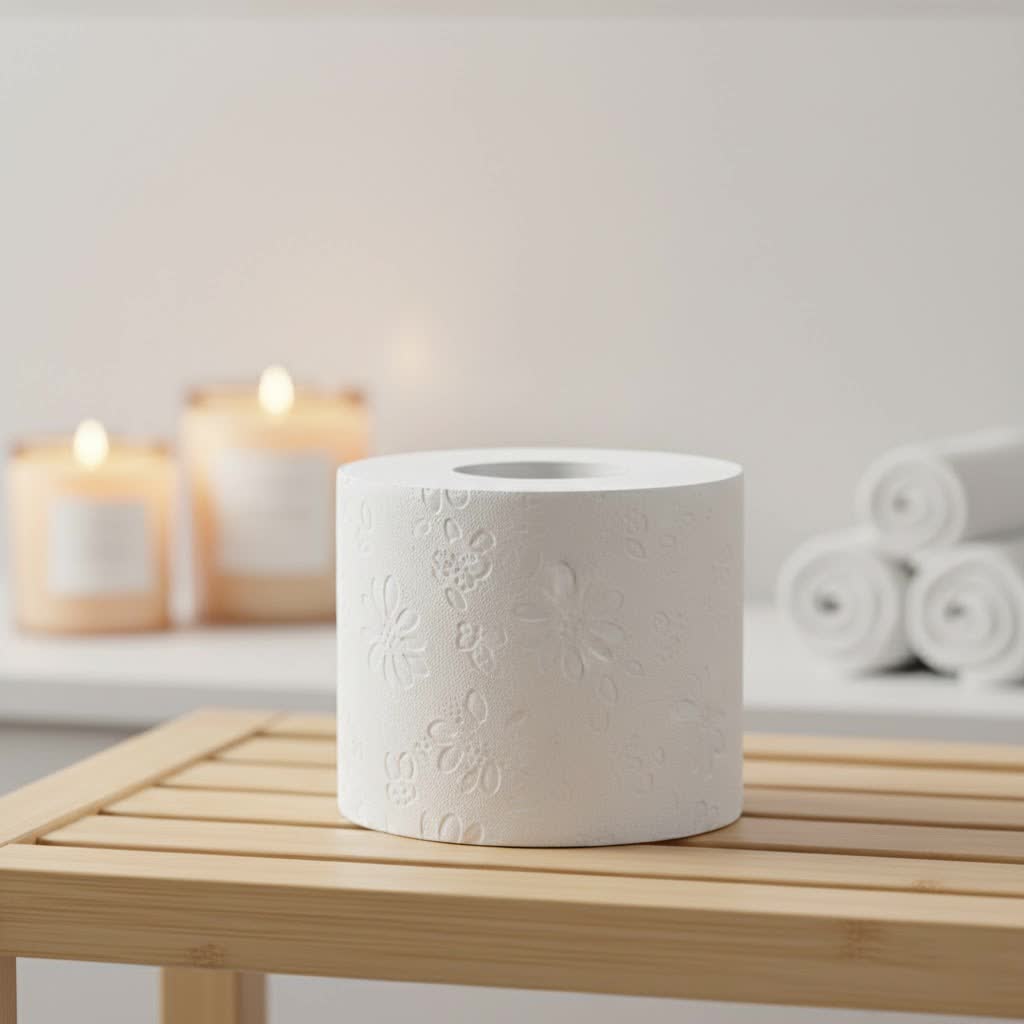
Every day, a simple act in our bathrooms contributes significantly to global deforestation and resource depletion. As conscious consumers, the choice of toilet paper in our homes holds more power than we often realize. Recycled toilet paper presents a compelling solution, transforming waste into a product that serves our daily needs while actively nurturing the planet. This comprehensive guide will examine everything you need to know about recycled toilet paper, from its origins and manufacturing to its environmental benefits, performance, and how to choose the best options for your household.
Recycled Toilet Paper: What It Is and Its Growing Market
Recycled toilet paper is a cornerstone of sustainable living, offering a practical way to reduce environmental impact. It is crafted from pre- and post-consumer waste paper, such as discarded office documents, old newspapers, and cardboard. This means that instead of felling new trees, existing paper materials are given a second life. For expert toilet paper reviews on this site.
A common misconception is that recycled toilet paper is made from used toilet paper, which is definitively false. The manufacturing process uses clean, sorted waste paper that would otherwise end up in landfills. This practice not only diverts waste but also dramatically reduces the demand for virgin wood pulp, a primary driver of deforestation globally.
The market for recycled toilet paper has grown significantly as consumer awareness about environmental issues increases. Modern advancements in paper recycling technology have allowed manufacturers to produce recycled toilet paper that is increasingly competitive with traditional options in terms of softness, strength, and overall performance.
Key Criteria for Selecting Recycled Toilet Paper
When navigating the world of recycled toilet paper, several factors come into play, influencing both its environmental footprint and your user experience. Understanding these criteria will help you make an informed decision.
Material Quality: Recycled vs. Virgin Pulp
The fundamental difference lies in the source material.
- Recycled Fibers: These fibers are inherently shorter than virgin fibers because they have already undergone processing. Historically, this led to perceptions of recycled toilet paper being less soft or durable. However, modern cleaning, refining, and fiber blending techniques have significantly narrowed this comfort gap, allowing top-tier recycled lines to meet everyday expectations. A key advantage of recycled fibers is their tendency to break down quickly in water, making them ideal for septic systems and sensitive plumbing.
- Virgin Pulp Fibers: Derived directly from freshly harvested trees, virgin pulp fibers are long and intact, traditionally offering a smoother, more cushioned sheet that resists tearing. While often associated with premium softness, its production contributes to deforestation and requires more energy and water.
Look for products with high percentages of post-consumer recycled content, as this maximizes the environmental benefit by keeping more waste out of landfills. Certifications like FSC® (Forest Stewardship Council) provide assurance that materials are sourced responsibly.
Softness and Absorbency
|
Our Picks for the Best Toilet Paper in 2026
As an Amazon Associate I earn from qualifying purchases.
|
||
| Num | Product | Action |
|---|---|---|
| 1 | Eco Comfort Pack Bamboo Toilet Paper – 350 Sheets per Roll, 3-Ply Soft & Strong, Plastic-Free Packaging, Septic Safe, Eco Friendly (PREMIUM WHITE, 12 Rolls) |

|
| 2 | Amazon Basics FSC-Certified 2-Ply Septic-Safe Toilet Paper, Soft, 350 Sheets per Roll, 6 Rolls = 37 Regular Rolls |
|
| 3 | Amazon Basics Soft and Strong 2-Ply Toilet Paper, 6 Ultra Rolls = 24 Regular Rolls, Unscented, 340 Sheet (6 Rolls) |
|
| 4 | Angel Soft Toilet Paper, 18 Mega Rolls = 72 Regular Rolls, Soft and Strong Toilet Tissue |
|
| 5 | Happy Valentines Day Decorations Gifts for Him Her Girls Women Teens, 3 Ply 150 Sheet Funny Toilet Paper Roll, Red Love Heart Tissue Paper, Friends Bathroom Toilet Themed Party Decorations Favors |
|
| 6 | Amazon Basics FSC-Certified 2-Ply Septic-Safe Toilet Paper, Soft, 350 Sheets per Roll, 30 Rolls = 185 Regular Rolls |
|
| 7 | Scott Professional 100% Recycled Fiber Standard Roll Bulk Toilet Paper (13217), 2-Ply, Elevated Design, White, Individually Wrapped (80 Rolls of 473 Sheets, 37,840 Sheet Total) |
|
| 8 | Scott ComfortPlus Toilet Paper, 12 Double Rolls, 231 Sheets per Roll, Septic-Safe, 1-Ply Toilet Tissue |
|
| 9 | Quilted Northern Ultra Plush Toilet Paper, 24 Mega Rolls = 96 Regular Rolls, 3X Thicker*, 3 Ply Soft Toilet Tissue |
|
| 10 | Charmin Ultra Soft Cushiony Touch Toilet Paper, 24 Family Mega = 123 Regular Rolls, White |
|
The perception of recycled toilet paper being less soft is a historical one that modern manufacturing is actively challenging. While virgin pulp’s longer fibers historically offered superior softness, advancements in processing recycled materials have led to significantly softer and more comfortable recycled options available today.
Absorbency is another crucial factor for effective cleaning. While some older recycled options might have been less absorbent, current products are designed to offer comparable performance to traditional toilet paper, balancing sustainability with user experience.
Strength and Durability
Nobody wants toilet paper that tears easily. The strength and durability of recycled toilet paper depend on factors like ply count (e.g., 1-ply, 2-ply, 3-ply) and the quality of the recycled fibers. Many eco-friendly brands now offer 3-ply recycled toilet paper designed to be strong and durable, minimizing tearing during use. Optimized ply construction and embossing further enhance structural integrity and reduce lint.
Roll Size and Value
Consider the sheet count per roll and the overall roll size. Larger rolls or those with higher sheet counts can offer better value and reduce how frequently you need to replace rolls. While comparing initial purchase prices, also factor in the longevity of the roll to calculate the true cost-effectiveness.
Price and Affordability
The cost of recycled toilet paper has become increasingly competitive. While some premium eco-friendly brands might have a slightly higher price point than the cheapest conventional options, many recycled toilet papers are now priced comparably to mainstream brands. The environmental benefits often provide an additional value that outweighs any minor price difference.
Recycled vs. Other Sustainable Toilet Paper Options
The desire for sustainable alternatives has led to the rise of both recycled and bamboo toilet paper. Here’s a comparison to help you understand their unique attributes:
| Feature | Recycled Toilet Paper | Virgin Pulp Toilet Paper | Bamboo Toilet Paper |
|---|---|---|---|
| Material Source | Post-consumer waste (office paper, newspapers, cardboard) | Freshly harvested wood pulp from trees | Fast-growing bamboo grass |
| Environmental Impact | Low: Saves trees, 28-70% less energy, 25-90% less water, 1/3 CO₂ emissions | High: Deforestation, high energy/water use, significant CO₂ emissions | Moderate: Renewable resource, but processing/transport can offset benefits |
| Deforestation | Significantly reduces demand for new trees | Directly contributes to deforestation | Does not require tree felling, but can involve habitat disruption for new plantations |
| Texture/Softness | Good (improved by modern tech), can be slightly more textured | Traditionally very soft and smooth | Often lauded for softness and strength |
| Dissolvability | Breaks down quickly, septic-safe | Breaks down easily, septic-safe | Designed to be septic-safe |
| Chemical Use | Often chlorine-free (uses hydrogen peroxide), de-inking involved | Often uses chlorine bleaching, creating dioxins | Minimal chemical use in processing, can be chlorine-free |
| Waste Reduction | Excellent (diverts waste from landfills) | Poor (creates new waste from raw materials) | Good (renewable resource, but still creates processing waste) |
| Cost | Generally offers better affordability | Varies, often competitive with basic recycled options | Can be more expensive than recycled options |
Recycled toilet paper stands out for its direct role in waste reduction and its significantly lower environmental footprint compared to virgin pulp. While bamboo is a highly renewable resource, its processing and transportation can add to its overall environmental cost.
How to Choose the Right Recycled Toilet Paper for Your Needs
Selecting the perfect recycled toilet paper involves aligning environmental aspirations with your practical requirements.
Identifying Your Priorities
Before buying, consider what matters most to you:
- Usage: For busy family households, strength and a higher sheet count might be priorities. For offices or commercial settings, cost-effectiveness and good performance are key.
- Preferences: Do you prioritize maximum softness, even if it means a slightly higher price? Or is the environmental impact the absolute top factor?
- Health Concerns: If you or your family have sensitive skin, opt for recycled toilet paper that is chlorine-free and free from added dyes, inks, or fragrances. Many eco-friendly brands use safer whitening agents like hydrogen peroxide.
Decoding Product Information
Always read product labels carefully. Look for:
- Recycled Content Percentage: Aim for high post-consumer recycled content to maximize environmental benefits.
- Certifications: FSC® (Forest Stewardship Council), Green Seal, and B Corp™ certifications are strong indicators of responsible sourcing and ethical practices.
- Ingredients: Confirm it’s chlorine-free and ideally free of harmful additives.
- User Reviews: Reading feedback from other consumers can provide valuable insights into real-world performance, softness, and durability.
Where to Buy
Recycled toilet paper is becoming increasingly accessible:
- Online Retailers: Many eco-friendly brands primarily sell online, often offering subscription services that deliver directly to your door. This can be convenient and cost-effective for bulk purchases.
- Supermarkets and Health Stores: A growing number of conventional supermarkets and health food stores now stock recycled toilet paper brands, making it easier to integrate into your regular shopping.
- Bulk Purchases: Buying in larger quantities can often reduce the per-roll cost and lessen packaging waste.
Top Recycled Toilet Paper Brands (with Detailed Reviews)
The market for recycled toilet paper features several innovative brands committed to sustainability and quality.
-
Who Gives A Crap: This brand is highly regarded for its 100% recycled toilet paper, made from a mix of post-consumer and pre-consumer content. Their 3-ply rolls are designed for softness and strength, often featuring high sheet counts. A significant differentiator is their commitment to donating 50% of their profits to sanitation projects worldwide, providing clean water and toilets to those in need. They use safe whitening agents and are Processed Chlorine Free (PCF).
- Pros: High recycled content, strong social mission, good quality 3-ply, plastic-free packaging options.
- Cons: Might be perceived as slightly less soft than ultra-premium virgin brands by some.
- Ideal for: Consumers prioritizing strong environmental and social impact, looking for reliable quality.
-
Seventh Generation: A well-established name in eco-friendly household products, Seventh Generation offers toilet paper made from 100% post-consumer waste paper. Their tissue is whitened without chlorine and contains no added dyes, inks, or fragrances, making it suitable for sensitive skin.
- Pros: Widely available, chlorine-free, free of dyes/fragrances, good for sensitive skin, consistent quality.
- Cons: Typically 2-ply, which some users might find less luxurious than 3-ply options.
- Ideal for: Those seeking a readily available, trusted eco-friendly option, especially for sensitive skin.
-
Aria: Known for its 100% recycled toilet paper that focuses on combining comfort with environmental responsibility. Aria boasts 3-ply recycled TP that claims to be thicker and stronger when wet than many leading recycled brands. They are FSC®-recycled certified and partner with the Arbor Day Foundation®.
- Pros: Good strength, 3-ply, recyclable paper packaging, supports tree planting initiatives.
- Cons: Primarily available in retail stores, lacking online ordering convenience.
- Ideal for: Shoppers who prefer buying in-store and value a balance of strength and eco-credentials.
Important Considerations for Using and Storing Recycled Toilet Paper
Proper usage and storage ensure you get the most out of your recycled toilet paper and maintain good hygiene.
- Usage: Use recycled toilet paper just as you would any other toilet paper. Its ability to break down quickly is a benefit, particularly for plumbing systems and septic tanks, as it helps prevent clogs.
- Storage: Store recycled toilet paper in a dry, cool place to prevent moisture absorption, which can affect its integrity and hygiene. Keeping it in its original packaging until use also protects it from dust and humidity.
- Disposal: Recycled toilet paper is biodegradable and designed to dissolve efficiently in water, making it suitable for most standard and septic systems.
“Choosing recycled toilet paper is more than just a purchase; it’s a statement. It’s a daily commitment to a healthier planet, demonstrating that individual actions collectively create significant change for our environment.” – Admin, reviewscuteg.com, Sanitation Expert
Conclusion
Recycled toilet paper has evolved into a high-quality, environmentally conscious choice for any household. By opting for products made from post-consumer waste, you actively contribute to conserving vital natural resources like trees, water, and energy, while significantly reducing landfill waste and greenhouse gas emissions. While some may recall earlier versions being less soft, today’s advanced manufacturing processes ensure that recycled toilet paper delivers both comfort and reliable performance. This sustainable swap is a shows how small, everyday decisions can collectively lead to substantial positive impacts for our planet.
Are you ready to make a simple change that makes a big difference?
Frequently Asked Questions
Is recycled toilet paper hygienic?
Yes, absolutely. Recycled toilet paper is made from clean, pre- or post-consumer paper materials, not used toilet paper. The manufacturing process involves thorough screening, de-inking, washing, and drying at high heat to eliminate bacteria, ensuring the final product is hygienic and safe for use.
Does recycled toilet paper clog pipes?
No, in fact, recycled toilet paper is often better for plumbing and septic systems. Its fibers are shorter and break down more quickly in water compared to virgin pulp toilet paper, which helps prevent clogs and supports healthy septic tank function.
Is recycled toilet paper bleached?
Some recycled toilet paper is whitened to achieve a lighter appearance, but eco-friendly brands typically use chlorine-free bleaching methods, such as hydrogen peroxide, instead of harmful chlorine. Unbleached options are also available for those who prefer a more natural look.
Is recycled toilet paper safe for sensitive skin?
Many recycled toilet paper brands, like Seventh Generation, prioritize safety for sensitive skin by producing chlorine-free rolls with no added dyes, inks, or fragrances. Always check product labels for these specific assurances.
What is post-consumer waste in recycled toilet paper?
Post-consumer waste refers to paper products that have been used by consumers and then collected for recycling. Examples include old newspapers, magazines, office paper, and cardboard that would otherwise be destined for landfills. Using this waste significantly reduces the need for virgin resources.
Get our weekly buyer guide
Practical specs, not advice. Unsubscribe anytime.
