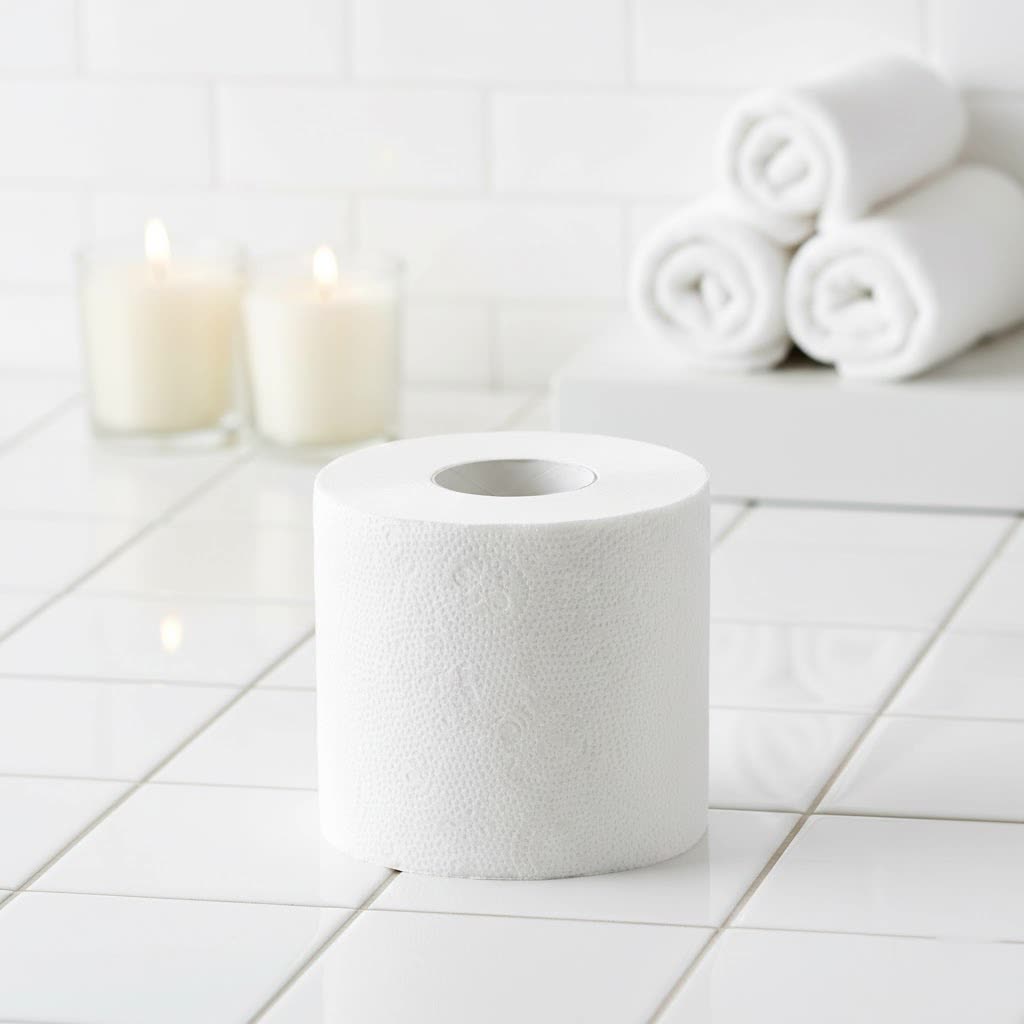
Maintaining a healthy septic system is crucial for any homeowner, and a vital, often overlooked, aspect of this maintenance is your choice of toilet paper. Using the wrong kind can lead to inconvenient and costly problems like clogs, backups, and even damage to the delicate ecosystem within your tank. This guide will walk you through everything you need to know to select the ideal toilet paper that keeps your septic system running smoothly and efficiently for years to come.
What is Toilet Paper? An Overview of the Market
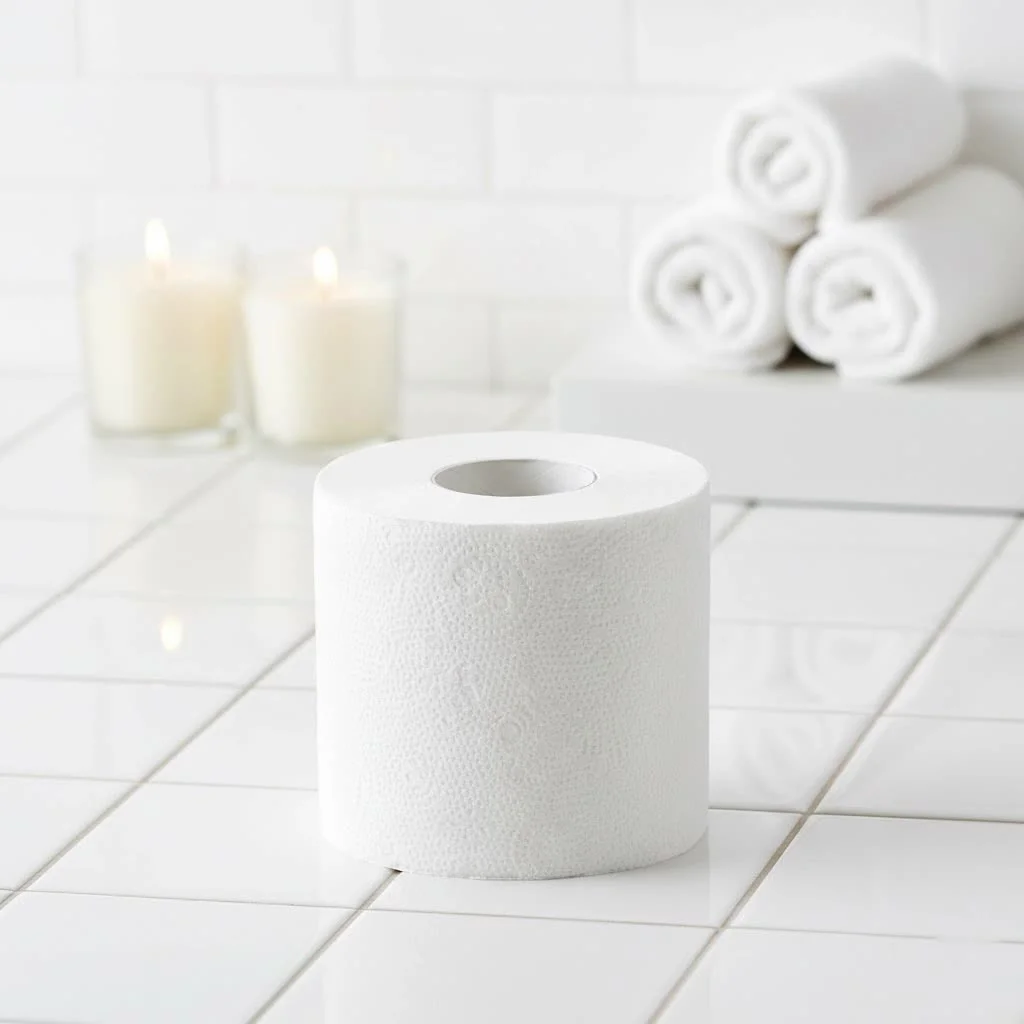
Toilet paper is a staple in every bathroom, designed for personal hygiene after using the toilet. Historically, it has evolved from rudimentary materials to sophisticated, multi-layered products. Today’s market offers a wide array of options, typically categorized by ply count – single-ply, double-ply, and even triple-ply, each offering varying degrees of softness, strength, and absorbency. Beyond these traditional categories, the industry has seen a rise in specialized products, including wet wipes (which are often misleadingly labeled as “flushable” and are generally not suitable for septic systems), and eco-friendly alternatives made from recycled paper or sustainable materials like bamboo. Understanding these basic types is the first step in making an informed decision for your septic system. For see our toilet paper recommendations on this site.
Essential Criteria for Choosing Septic-Safe Toilet Paper
When it comes to selecting toilet paper for a septic system, not all rolls are created equal. The key lies in how quickly and completely the paper breaks down once it enters your plumbing. Prioritizing products designed with septic health in mind can prevent numerous headaches down the line.
Material: The Foundation of Septic Safety
The material composition of your toilet paper plays a significant role in its septic system compatibility. Traditional virgin wood pulp can vary in its breakdown speed. Recycled paper options are often praised for their environmental benefits and typically break down more readily due to shorter fibers. However, the true game-changers for septic systems are tree-free materials like bamboo and sugarcane. These natural grasses have rapidly dissolving properties, making them exceptionally safe for septic tanks while also being highly sustainable. Conversely, many standard toilet papers contain harsh chemicals such as dyes, fragrances, elemental chlorine, BPA, and PFAS (per- and polyfluoroalkyl substances). These additives can disrupt the vital bacterial balance in your septic tank, hindering its ability to break down waste effectively. Look for certifications indicating biodegradability or eco-friendliness, which often align with a chemical-free composition.
Softness and Absorbency: Balancing Comfort with Septic Health
|
Our Picks for the Best Toilet Paper in 2026
As an Amazon Associate I earn from qualifying purchases.
|
||
| Num | Product | Action |
|---|---|---|
| 1 | Angel Soft Toilet Paper, 18 Mega Rolls = 72 Regular Rolls, Soft and Strong Toilet Tissue |

|
| 2 | Happy Valentines Day Decorations Gifts for Him Her Girls Women Teens, 3 Ply 150 Sheet Funny Toilet Paper Roll, Red Love Heart Tissue Paper, Friends Bathroom Toilet Themed Party Decorations Favors |
|
| 3 | Scott ComfortPlus Toilet Paper, 12 Double Rolls, 231 Sheets per Roll, Septic-Safe, 1-Ply Toilet Tissue |
|
| 4 | Amazon Basics FSC-Certified 2-Ply Septic-Safe Toilet Paper, Soft, 350 Sheets per Roll, 6 Rolls = 37 Regular Rolls |
|
| 5 | Amazon Basics Soft and Strong 2-Ply Toilet Paper, 6 Ultra Rolls = 24 Regular Rolls, Unscented, 340 Sheet (6 Rolls) |
|
| 6 | Eco Comfort Pack Bamboo Toilet Paper – 350 Sheets per Roll, 3-Ply Soft & Strong, Plastic-Free Packaging, Septic Safe, Eco Friendly (PREMIUM WHITE, 12 Rolls) |
|
| 7 | Charmin Ultra Soft Cushiony Touch Toilet Paper, 24 Family Mega = 123 Regular Rolls, White |
|
| 8 | Scott Professional 100% Recycled Fiber Standard Roll Bulk Toilet Paper (13217), 2-Ply, Elevated Design, White, Individually Wrapped (80 Rolls of 473 Sheets, 37,840 Sheet Total) |
|
| 9 | Quilted Northern Ultra Plush Toilet Paper, 24 Mega Rolls = 96 Regular Rolls, 3X Thicker*, 3 Ply Soft Toilet Tissue |
|
| 10 | Amazon Basics FSC-Certified 2-Ply Septic-Safe Toilet Paper, Soft, 350 Sheets per Roll, 30 Rolls = 185 Regular Rolls |
|
While a plush, ultra-soft feel might be desirable for comfort, it often comes at the cost of rapid dissolution. Thicker, highly absorbent papers tend to be slower to break down, increasing the risk of clogs. The best septic-safe toilet paper strikes a balance, offering adequate softness for a comfortable experience without excessive thickness or quilting that could impede its breakdown in the tank. You don’t have to sacrifice all comfort, but understanding that ultra-plush varieties might pose a greater risk is key.
Durability and Tear Resistance: Dissolution Over Sheer Strength
Standard toilet papers are often marketed on their strength and tear resistance, which is generally a good quality for preventing tearing during use. However, for septic systems, this very characteristic can be a drawback. A toilet paper that is too strong or doesn’t disintegrate quickly can accumulate in the tank, forming clogs. Septic-safe options are designed to maintain integrity during use but then rapidly dissolve into small, manageable particles once exposed to water in the pipes and tank. This rapid dissolution is far more important for septic health than sheer, long-lasting durability.
Roll Size and Quantity: Smart Choices for Your Household
Toilet paper rolls come in various sizes, from standard to mega rolls, and pack sizes differ significantly. While larger rolls and bulk purchases can be cost-effective and convenient, the actual amount of paper used per flush remains important. Consider the number of sheets per roll and how frequently your household goes through them. Opting for smaller, single-ply rolls might be a better strategy for septic systems, as they contribute less bulk with each flush. Calculating the cost per sheet can help you find value without compromising septic safety.
Price: Investing in Your Septic System’s Longevity
The price of toilet paper can range widely across brands and types. While budget-friendly options exist, sometimes a slightly higher investment in a certified septic-safe product can save you significantly on potential plumbing repairs or septic tank maintenance in the long run. Compare prices not just by roll, but by considering the features that make it septic-safe—such as rapid dissolvability and the absence of harmful chemicals. Many affordable brands offer excellent septic-safe solutions, so finding value for money is certainly achievable without breaking the bank.
Comparing Common Toilet Paper Types for Septic Systems
Choosing the right toilet paper can feel overwhelming with so many options available. Here’s a comparison of common types and their suitability for septic systems:
| Type | Material | Breakdown Speed | Chemical Content | Septic Suitability | General Notes |
|---|---|---|---|---|---|
| 1-Ply Standard | Virgin Pulp / Recycled Paper | Fast | Low/Moderate | Excellent | Thinner, less soft, but breaks down quickly, reducing clog risk. |
| 2-Ply Standard | Virgin Pulp / Recycled Paper | Moderate | Moderate | Good | Offers more comfort and strength, but ensure it’s labeled “septic-safe.” |
| 3-Ply / Quilted | Virgin Pulp | Slow | Moderate/High | Poor | Thick, soft, and strong, but very slow to dissolve, a high risk for clogs. |
| Bamboo/Sugarcane | Tree-Free Fibers | Fast | Very Low/None | Excellent | Eco-friendly, strong yet dissolves quickly, often free of harsh chemicals. |
| 100% Recycled | Post-consumer recycled fibers | Fast | Low | Excellent | Environmentally friendly, shorter fibers aid in quick breakdown. |
| “Flushable” Wipes | Varied (often synthetic) | None/Very Slow | High | Unsuitable | Despite claims, they do not break down and are a leading cause of clogs. |
How to Select the Right Toilet Paper for Your Septic Needs
Making the final choice requires a bit of personal assessment and careful product review. Don’t just grab the first brand you see; take a moment to consider what truly matters for your home and your septic system.
Assess Your Usage Requirements
Start by thinking about your household’s specific needs. Do you have a large family with heavy usage, or are you living alone? Are you prioritizing extreme softness, or is maximum septic safety your primary concern? If anyone in your home has sensitive skin, fragrance- and dye-free options are essential. Understanding these factors will help you narrow down choices that align with both comfort and system compatibility. For example, a household with high traffic might prioritize a rapidly dissolving 1-ply option, while a smaller household might opt for a slightly softer, yet still septic-safe, 2-ply.
Decipher Product Information
Always read the product labels carefully. Look for clear statements such as “septic-safe,” “biodegradable,” or “rapid dissolving.” The absence of dyes, fragrances, and harsh chemicals should also be noted on the packaging. Many reputable brands will highlight these features explicitly. Don’t hesitate to check online reviews from other septic system owners, as their real-world experiences can provide invaluable insights into how a product performs under typical conditions.
Where to Purchase
Septic-safe toilet paper is widely available. You can find options at major supermarkets, big-box retailers, and convenience stores. Online retailers and eco-friendly specialty stores often carry a broader selection of bamboo or 100% recycled options. If you plan to buy in bulk, especially for larger households, compare prices across different vendors to find the most economical choice. However, remember that stockpiling too much can take up valuable storage space, so balance bulk discounts with your actual consumption rate.
Top Recommended Septic-Safe Toilet Papers (Detailed Reviews)
When it comes to keeping your septic system happy and healthy, some toilet paper brands consistently rise to the top. Here are some of the most highly regarded options known for their performance in septic environments:
-
Scott 1000 and Scott Rapid Dissolving: This brand is a long-standing favorite for septic owners, and for good reason. Scott 1000 is a single-ply toilet paper renowned for its rapid dissolution, breaking down quickly to prevent clogs. Scott Rapid Dissolving is specifically formulated for RVs and septic systems, offering even faster breakdown.
- Pros: Exceptionally fast breakdown, very affordable, widely available.
- Cons: Being single-ply, it might feel less soft or durable to some users compared to thicker options.
- Best for: Those prioritizing maximum septic safety and budget-consciousness.
-
Caboo Tree-Free Bamboo Toilet Paper: Caboo offers an excellent eco-friendly and septic-safe solution. Made from bamboo and sugarcane, it’s a sustainable choice that dissolves quickly without relying on harsh chemicals.
- Pros: Sustainable, tree-free, strong yet soft, fully biodegradable, free from chlorine, dyes, and fragrances.
- Cons: Can be a higher price point than conventional options, might not be as widely available in all stores.
- Best for: Environmentally conscious consumers who also prioritize septic system health and a soft feel.
-
Seventh Generation 100% Recycled Toilet Paper: For those committed to sustainability, Seventh Generation is a superb choice. It’s made entirely from recycled paper, minimizing its environmental footprint, and is designed to break down efficiently in septic tanks.
- Pros: Highly eco-friendly, free from dyes, fragrances, and chlorine, breaks down easily.
- Cons: Some users might find it less soft than virgin pulp options.
- Best for: Eco-conscious households looking for an effective septic-safe solution.
-
Angel Soft Toilet Paper: Angel Soft strikes a popular balance between softness, strength, and affordability. Many varieties are designed to break down easily in water, making them a suitable option for septic systems when used in moderation.
- Pros: Good balance of softness and strength, widely available, budget-friendly.
- Cons: While it dissolves well, it might not be as rapid as dedicated 1-ply options; contains more traditional ingredients.
- Best for: Families seeking a comfortable yet reasonably septic-safe option without a premium price tag.
-
Cottonelle Ultra ComfortCare: Cottonelle Ultra ComfortCare is known for its plush texture and absorbency. Made with plant-based fibers, this toilet paper is designed to be biodegradable and dissolves effectively in septic systems, offering comfort without excessive risk.
- Pros: Very soft and absorbent, biodegradable, good dissolution for a multi-ply option.
- Cons: Being a softer, thicker option, it may require more careful usage to ensure optimal breakdown.
- Best for: Users who prioritize comfort but still need a septic-friendly toilet paper.
“The longevity of your septic system relies heavily on what goes into it. Choosing toilet paper that dissolves quickly is the simplest, yet most impactful, decision you can make for its health.” – John Smith, Septic System Expert
Crucial Tips for Using and Storing Toilet Paper with a Septic System
Even with the best septic-safe toilet paper, mindful habits are essential to ensure your system continues to function flawlessly. Small adjustments in usage and storage can significantly impact your septic system’s longevity and performance.
When using toilet paper, the golden rule is moderation. Use only the amount necessary; excessive wads, even of septic-safe paper, can still create bulk that takes longer to break down and can overwhelm the system over time. Teach everyone in the household, especially children, to use less. While septic-safe toilet paper is crucial, it’s also important to remember that flushing anything other than human waste and septic-safe toilet paper is a major no-no. Items like feminine hygiene products, paper towels, dental floss, cotton swabs, and especially “flushable” wipes, are absolute hazards for septic systems, as they do not break down and will inevitably cause clogs.
Proper storage of toilet paper is also important, though often overlooked. Keep your rolls in a dry, cool place away from humidity. Moisture can prematurely soften or clump the paper, potentially affecting its ability to dispense properly and dissolve efficiently. Lastly, consider embracing alternatives to reduce overall toilet paper consumption. Bidets, for instance, can significantly cut down on the amount of paper needed, offering a more hygienic experience while being incredibly kind to your septic system.
Frequently Asked Questions
Is 1-ply or 2-ply better for septic systems?
Generally, 1-ply toilet paper is considered better for septic systems because it’s thinner and breaks down more quickly and easily. While some 2-ply options are designed to be septic-safe, 1-ply typically puts less strain on the system.
Can any toilet paper eventually clog a septic tank?
Yes, even septic-safe toilet paper can cause issues if used in excessive amounts. The key is moderation. Overloading the system with too much paper, regardless of its type, can lead to accumulation and potential clogs over time.
Are “flushable” wipes safe for septic systems?
Absolutely not. Despite marketing claims, “flushable” wipes do not break down like toilet paper and are a major cause of clogs in plumbing and septic systems. They should always be disposed of in the trash.
How often should I have my septic tank pumped?
The frequency of septic tank pumping depends on several factors, including the tank size, the number of people in your household, and your water usage habits. On average, most septic tanks should be pumped every three to five years by a qualified professional.
What happens if I use the wrong toilet paper in my septic system?
Using toilet paper that doesn’t break down quickly can lead to several problems: clogs in pipes and the septic tank, slow drains, sewage backups, and disruption of the beneficial bacteria crucial for waste breakdown. This can result in costly repairs and a reduced lifespan for your septic system.
Does toilet paper made from bamboo really break down faster?
Yes, toilet paper made from bamboo often breaks down faster than traditional virgin wood pulp paper. Bamboo fibers are typically shorter and less dense, allowing them to disintegrate quickly in water, making it an excellent choice for septic systems.
Get our weekly buyer guide
Practical specs, not advice. Unsubscribe anytime.

As someone who’s dealt with a septic backup before, I can’t stress enough how important it is to use the right toilet paper. We switched to a brand specifically labeled as ‘septic-safe’ and it’s made a huge difference. The peace of mind alone is worth it, knowing we’re protecting the delicate ecosystem in our tank.
I tried a few of the recommended single-ply options to be safe for our septic, but honestly, some of them just feel too thin. While I appreciate not having to worry about system damage, I do miss the comfort of a thicker, double-ply paper. It’s a trade-off, but I wish there was a better balance between septic-safe and softness.
I’ve been using Scott 1000 for years because of our septic system, and it’s always been reliable. This guide really confirmed why it’s such a good choice for preventing clogs. It breaks down so easily, and we’ve never had any issues with backups. Definitely recommend it for anyone with a septic tank.
This was super helpful! I always just grabbed whatever was on sale, not realizing how much of a difference the right toilet paper makes for our septic tank. I’m going to switch to one of the rapid-dissolving brands mentioned. It’s good to know I can avoid those costly problems just by making a smarter choice at the store.