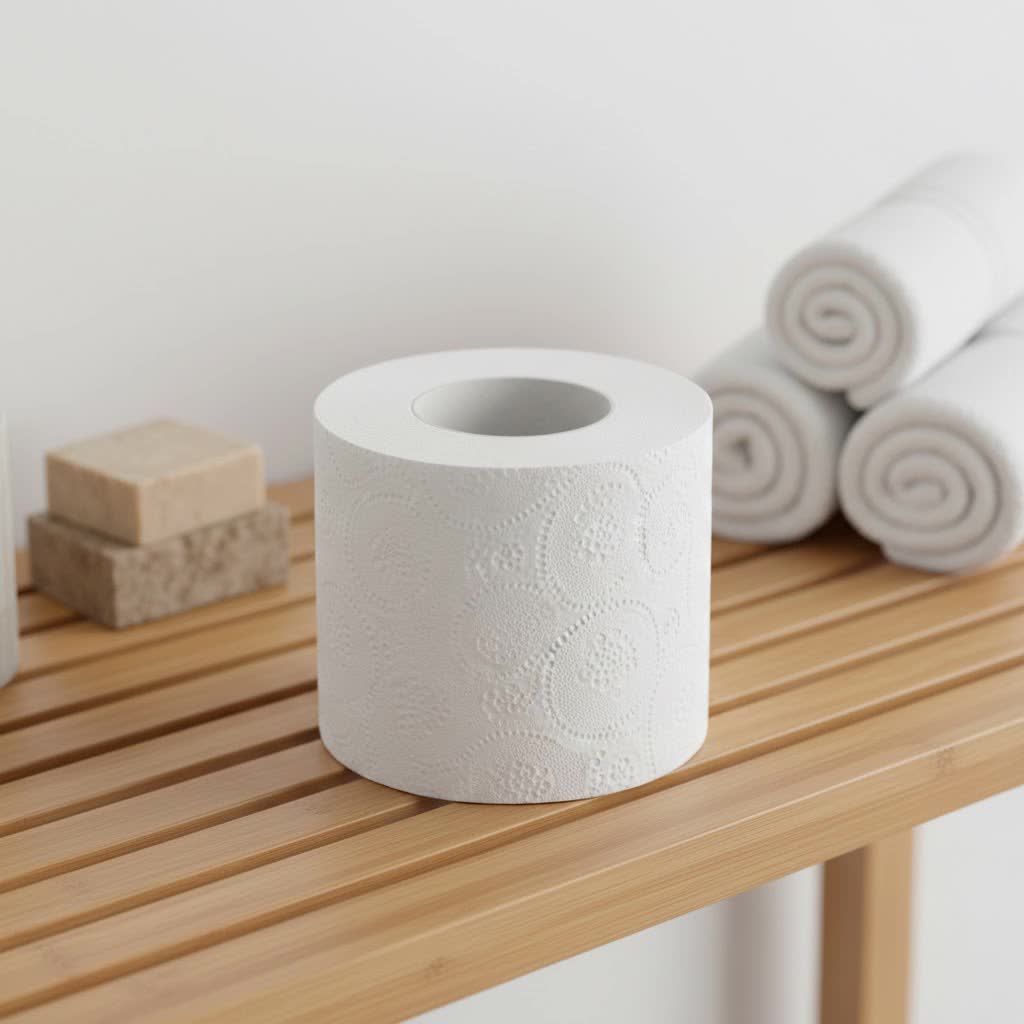
Jumbo roll toilet paper (JRT) is a high-capacity, cost-effective solution for high-traffic environments like offices, schools, and public restrooms, offering significant advantages over standard household rolls. These oversized rolls, typically ranging from 5 to 9 inches in diameter, drastically reduce the frequency of roll changes, leading to lower maintenance costs and improved user satisfaction. Facilities often choose JRT for its efficiency, value, and environmental benefits, with many options made from recycled or sustainably sourced materials.
What is Jumbo Roll Toilet Paper? An Overview of the Commercial Market
Jumbo roll toilet paper (JRT) refers to significantly oversized toilet paper rolls, distinctively larger than those found in residential settings. Its primary purpose is to provide an extended supply of toilet tissue, drastically reducing the frequency of roll changes in high-usage areas. These substantial rolls are designed to be used with specialized dispensers that can accommodate their larger diameter, making them a staple in environments like office buildings, educational institutions, healthcare facilities, restaurants, and public venues. The market for jumbo roll toilet paper focuses on durability, capacity, and overall operational efficiency, catering to the needs of businesses and public spaces rather than individual households.
Why Choose Jumbo Roll Toilet Paper? Key Benefits Explained
The appeal of jumbo roll toilet paper extends beyond its sheer size, offering a compelling array of benefits that directly impact operational costs, maintenance efficiency, and user satisfaction.
Cost-Effectiveness
Jumbo rolls are a smart financial decision in the long run. While the initial purchase might seem larger, the cost per sheet or per foot is typically lower than that of standard rolls. This bulk purchasing power translates into significant savings on consumables over time, making it a budget-friendly option for facilities with high consumption rates.
Reduced Maintenance
One of the most immediate advantages of JRT is the drastic reduction in maintenance labor. With a single jumbo roll potentially holding the equivalent of 5 to 10 standard rolls, staff spend less time restocking dispensers and more time on other essential tasks. This minimizes disruptions and ensures a more consistent supply for users.
Extended Lifespan
Designed for endurance, jumbo rolls boast an impressively long lifespan. Their substantial length means they run out far less frequently than smaller rolls, a critical factor in preventing empty dispensers during peak hours and maintaining a positive user experience. This extended capacity is a cornerstone of their high-traffic suitability.
Environmental Impact
Many jumbo roll options offer environmental advantages. With fewer rolls required, there’s a reduction in packaging waste and the overall carbon footprint associated with transportation and manufacturing. Many commercial jumbo rolls are made from recycled materials or certified sustainable sources, aligning with eco-conscious initiatives.
Space Efficiency
|
Our Picks for the Best Toilet Paper in 2026
As an Amazon Associate I earn from qualifying purchases.
|
||
| Num | Product | Action |
|---|---|---|
| 1 | Scott Professional 100% Recycled Fiber Standard Roll Bulk Toilet Paper (13217), 2-Ply, Elevated Design, White, Individually Wrapped (80 Rolls of 473 Sheets, 37,840 Sheet Total) |

|
| 2 | Amazon Basics FSC-Certified 2-Ply Septic-Safe Toilet Paper, Soft, 350 Sheets per Roll, 30 Rolls = 185 Regular Rolls |
|
| 3 | Charmin Ultra Soft Cushiony Touch Toilet Paper, 24 Family Mega = 123 Regular Rolls, White |
|
| 4 | Amazon Basics FSC-Certified 2-Ply Septic-Safe Toilet Paper, Soft, 350 Sheets per Roll, 6 Rolls = 37 Regular Rolls |
|
| 5 | Eco Comfort Pack Bamboo Toilet Paper – 350 Sheets per Roll, 3-Ply Soft & Strong, Plastic-Free Packaging, Septic Safe, Eco Friendly (PREMIUM WHITE, 12 Rolls) |
|
| 6 | Angel Soft Toilet Paper, 18 Mega Rolls = 72 Regular Rolls, Soft and Strong Toilet Tissue |
|
| 7 | Scott ComfortPlus Toilet Paper, 12 Double Rolls, 231 Sheets per Roll, Septic-Safe, 1-Ply Toilet Tissue |
|
| 8 | Amazon Basics Soft and Strong 2-Ply Toilet Paper, 6 Ultra Rolls = 24 Regular Rolls, Unscented, 340 Sheet (6 Rolls) |
|
| 9 | Quilted Northern Ultra Plush Toilet Paper, 24 Mega Rolls = 96 Regular Rolls, 3X Thicker*, 3 Ply Soft Toilet Tissue |
|
| 10 | Happy Valentines Day Decorations Gifts for Him Her Girls Women Teens, 3 Ply 150 Sheet Funny Toilet Paper Roll, Red Love Heart Tissue Paper, Friends Bathroom Toilet Themed Party Decorations Favors |
|
Despite their large individual size, jumbo rolls can paradoxically lead to more efficient storage. Rather than stocking numerous small cases of standard rolls, facilities can store fewer, larger cases of JRT, optimizing limited storage space and simplifying inventory management.
Convenience
For both users and staff, jumbo rolls provide a heightened sense of convenience. Users benefit from a consistent supply, reducing the frustration of encountering an empty roll. For maintenance teams, the less frequent need for replacements streamlines routines and improves workflow.
Jumbo Roll vs. Standard Roll Toilet Paper: A Detailed Comparison
Choosing between jumbo and standard toilet paper rolls involves understanding their fundamental differences and matching them to specific needs.
| Feature | Jumbo Roll Toilet Paper (JRT) | Standard Roll Toilet Paper |
|---|---|---|
| Size/Diameter | Large (e.g., 7-9 inches, Junior JRT 5-6 inches) | Small (e.g., 4-5 inches) |
| Sheets/Length | High capacity (e.g., 500-2000+ feet, 1000-4000+ sheets) | Lower capacity (e.g., 50-200 feet, 200-500 sheets) |
| Dispenser Type | Requires specialized, larger commercial dispensers | Fits most standard household toilet paper holders |
| Primary Use | Commercial, industrial, high-traffic public restrooms, offices | Residential, low-traffic bathrooms |
| Cost-Efficiency | Generally lower cost per sheet due to bulk, reduces labor | Higher cost per sheet, frequent replacement costs |
| Softness/Quality | Varies; often functional, some premium commercial options available | Wide range, from basic to ultra-soft premium options |
| Maintenance | Low frequency of changeovers, less labor | High frequency of changeovers, more labor |
Jumbo rolls excel in environments where consistent availability and reduced maintenance are paramount. Conversely, standard rolls are ideal for settings prioritizing compact size and a wider variety of aesthetic choices for personal bathrooms.
Crucial Criteria for Selecting Jumbo Roll Toilet Paper
Making the right choice for your facility means considering several key factors to ensure optimal performance, user satisfaction, and cost-efficiency.
Dispenser Compatibility
This is perhaps the most critical factor. Jumbo rolls come in various sizes (e.g., standard jumbo, junior jumbo, mini jumbo) and core diameters. Always measure your existing dispensers or plan for new ones that perfectly fit your chosen jumbo roll. Incompatibility leads to wasted product and frustration.
Ply Count (1-ply vs. 2-ply)
- 1-Ply: More economical per sheet, offers a higher sheet count per roll, often suitable for very high-traffic areas where cost-efficiency is the absolute priority. Can sometimes feel less substantial.
- 2-Ply: Provides greater softness, strength, and absorbency, leading to a more comfortable user experience and potentially less paper used per visit. While offering a lower sheet count per roll, the enhanced quality can improve efficiency.
Material (Virgin vs. Recycled vs. Bamboo)
The material composition affects both performance and environmental impact.
- Virgin Pulp: Typically offers superior softness, strength, and brightness.
- Recycled Content: An eco-friendly choice, often meeting sustainability certifications. Quality has improved significantly, though some may still perceive it as less soft than virgin pulp options.
- Bamboo: An increasingly popular sustainable option, known for being strong, soft, and rapidly renewable.
Softness and Absorbency
For user comfort and effective cleaning, evaluate the softness and absorbency of the paper. A well-balanced product will provide a pleasant experience without requiring excessive amounts of tissue per use, thereby controlling consumption.
Strength and Tear Resistance
A good jumbo roll should be strong enough to resist tearing prematurely, ensuring reliability during use. This factor contributes to less waste and a more efficient experience.
Eco-Certifications
If environmental stewardship is a priority, look for certifications such as Green Label, Forest Stewardship Council (FSC), or EcoLogo. These indicate that the product meets specific environmental standards, often related to responsible sourcing or recycled content.
Brand Reputation and Reliability
Opting for well-known brands in the commercial hygiene sector can provide assurance of consistent quality and reliable performance. Reputable manufacturers often adhere to stringent quality control standards.
Popular Types and Brands of Jumbo Roll Toilet Paper
The commercial toilet paper market features various jumbo roll types, each designed to fit specific dispenser sizes and usage demands. These typically include:
- Jumbo Roll: The largest size, often 9 inches in diameter, suitable for the highest traffic environments.
- Junior Jumbo Roll (JRT Jr.): A slightly smaller version, typically around 7.5 to 8 inches in diameter, offering a good balance of capacity and compatibility for many mid-to-high traffic restrooms.
- Mini Jumbo Roll: The smallest of the jumbo family, generally 5 to 6 inches in diameter, serving spaces that need more capacity than standard rolls but have limited dispenser space.
Several brands have established themselves as leaders in the jumbo roll toilet paper sector, known for their reliability and performance in commercial settings:
- Scott Essential: A staple in many commercial facilities, known for its durable and cost-effective jumbo rolls that often include recycled content.
- Tork: Offers a range of advanced jumbo roll systems with features aimed at improving hygiene and reducing consumption, including both 1-ply and 2-ply options.
- Georgia-Pacific Professional: Provides robust jumbo rolls, often designed for specific dispenser systems to maximize efficiency and minimize waste.
- Windsoft and Morcon: These brands are frequently found in wholesale commercial supply, offering various ply options and roll lengths to suit different budget and quality requirements.
These brands often cater specifically to the bulk buying needs of businesses, focusing on qualities that matter most in high-traffic environments.
Smart Purchasing and Storage Tips for Jumbo Roll Toilet Paper
Optimizing your jumbo roll toilet paper strategy involves more than just selecting the right product; it also requires smart purchasing and storage practices.
Assess Usage Needs
Before buying, accurately assess your facility’s traffic volume. High-traffic areas will benefit most from the largest jumbo rolls, while smaller commercial spaces might find junior or mini jumbo rolls more appropriate. Calculating average daily usage can help determine optimal order quantities and prevent both shortages and overstocking.
Check Product Information & Certifications
Always review the product specifications for details on ply, material, dimensions, and any relevant certifications. This ensures you’re getting a product that meets your quality standards, environmental goals, and dispenser requirements.
Where to Buy
Commercial jumbo roll toilet paper is typically purchased from wholesale distributors, janitorial supply companies, or specialized online bulk retailers. These sources often offer better pricing for large quantities and have the specific product ranges that commercial facilities need.
Bulk Buying Considerations
While buying in bulk generally leads to cost savings, consider your storage capacity. Ensure you have a dry, cool, and secure area to store large quantities to protect the paper from moisture and damage. Also, factor in delivery logistics and potential volume discounts from suppliers.
Proper Storage
Store jumbo rolls in their original packaging in a dry, cool, and well-ventilated area, away from direct sunlight or sources of moisture. Proper storage preserves the paper’s integrity, softness, and hygienic qualities, ensuring it remains in optimal condition until use.
Conclusion: Making an Informed Choice for Your Facility
Jumbo roll toilet paper stands as a cornerstone of efficient and hygienic facility management. By understanding its distinct advantages—from significant cost savings and reduced maintenance to environmental benefits and user convenience—businesses can make informed decisions that enhance operational efficiency and improve the overall experience for occupants. Prioritizing dispenser compatibility, ply, material, and certifications will guide you toward the ideal choice, ensuring your restrooms are always well-stocked and functional.
Are you maximizing the potential of jumbo roll toilet paper in your facility?
Frequently Asked Questions
Frequently Asked Questions
How many standard rolls equal one jumbo roll?
One jumbo roll toilet paper typically equals 5 to 10 standard household rolls. This equivalence depends on the jumbo roll's length, which can be 500-2000+ feet, and the standard roll's sheet count, usually 200-500 sheets.
Are jumbo rolls more environmentally friendly?
Yes, jumbo rolls are often more environmentally friendly. They generally require less packaging per unit of paper and fewer deliveries, which reduces overall waste and carbon footprint. Many options are also made from recycled or sustainably sourced materials, such as those certified by FSC.
Can I use a jumbo roll in a regular toilet paper holder?
No, jumbo roll toilet paper requires specialized commercial dispensers due to its significantly larger diameter and core size. A standard household holder, designed for rolls typically 4-5 inches in diameter, cannot accommodate a jumbo roll, which can be up to 9 inches.
What's the difference between 1-ply and 2-ply jumbo rolls?
1-ply jumbo rolls have a single layer of paper, offering more sheets per roll and often a lower cost, suitable for very high-traffic areas. 2-ply rolls have two layers, providing increased softness, strength, and absorbency, which can lead to users needing fewer sheets per use.
How do I determine the right size jumbo roll for my dispenser?
To determine the right size, measure the maximum diameter and core size that your current dispenser can accommodate. Jumbo rolls are available in various sizes, including full jumbo (around 9 inches), junior jumbo (7.5-8 inches), and mini jumbo (5-6 inches), each designed for specific dispenser dimensions.
What is the typical diameter of a jumbo toilet paper roll?
Standard jumbo rolls typically have a diameter of around 9 inches (22.8 cm). Junior jumbo rolls are often around 7.5 to 8 inches, and mini jumbo rolls can be 5 to 6 inches in diameter, varying by manufacturer and designed for different dispenser types.
How to Select Jumbo Roll Toilet Paper for Your Facility
Choosing the right jumbo roll toilet paper involves assessing your facility's needs, checking product specifications, and understanding dispenser compatibility to ensure efficiency and cost-effectiveness.
Accurately determine your facility's traffic volume. High-traffic areas benefit most from larger jumbo rolls, while smaller commercial spaces might find junior or mini jumbo rolls more appropriate. Calculate average daily usage to prevent shortages or overstocking.
This is crucial. Measure the maximum diameter and core size your existing dispensers can accommodate. Jumbo rolls come in various sizes (standard, junior, mini) and core diameters, so ensure a perfect fit to avoid waste and frustration.
Decide between 1-ply for maximum economy and sheet count, or 2-ply for greater softness, strength, and absorbency. Consider materials like virgin pulp for softness, recycled content for eco-friendliness, or bamboo for sustainability. Look for certifications like FSC if environmental stewardship is a priority.
For user comfort and effective cleaning, evaluate the paper's softness and absorbency. A well-balanced product provides a pleasant experience without excessive use. Ensure the roll is strong enough to resist premature tearing, contributing to less waste.
Commercial jumbo roll toilet paper is best purchased from wholesale distributors, janitorial supply companies, or specialized online bulk retailers. These sources offer better pricing for large quantities and have the specific product ranges needed for commercial facilities.
Get our weekly buyer guide
Practical specs, not advice. Unsubscribe anytime.

I appreciate the idea of fewer roll changes, and it does help in our school restrooms. However, some of the dispensers we have don’t quite fit the 9-inch diameter rolls as smoothly as I’d hoped. We had to do a bit of finagling to get them in, which was a minor inconvenience. Still, the overall value is there.
Our public library recently upgraded to jumbo roll toilet paper, and I’ve noticed a big difference. It’s great to see options made from recycled materials, which aligns with our sustainability goals. The users seem happier too, probably because they’re not encountering empty rolls anymore. It’s a smart choice for high-traffic environments.
We switched to jumbo rolls in our office last month and it’s been a game changer. Seriously, no more running out of toilet paper mid-day! The maintenance team loves not having to check the bathrooms every hour. It’s definitely a cost-effective solution for a busy place like ours.
I manage a large community center with multiple public restrooms, and the efficiency of JRT is unmatched. The reduced frequency of roll changes has significantly cut down on labor costs for our cleaning crew. Plus, the improved user satisfaction is noticeable; fewer complaints about empty dispensers means a better experience for everyone.