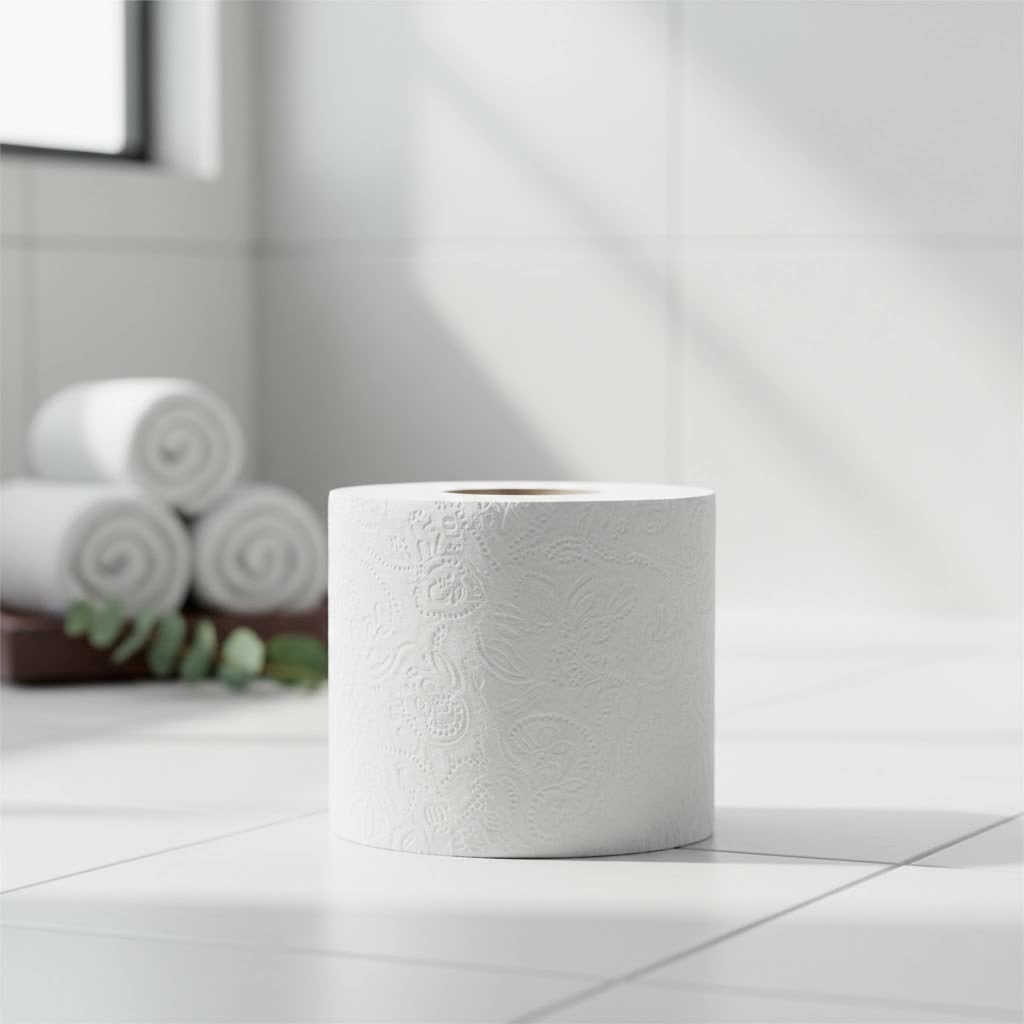
In our quest for healthier homes and a greener planet, often the most overlooked daily essentials hold hidden impacts. Toilet paper, a product we use multiple times a day, is one such item. Conventional toilet paper can harbor a surprising array of chemicals that affect both personal health and environmental well-being. A growing movement is shifting consumer focus toward non-toxic alternatives, promising a cleaner, safer, and more sustainable bathroom experience.
What is Non-Toxic Toilet Paper? Understanding the Shift Towards Healthier Wiping
Non-toxic toilet paper is fundamentally a product free from harmful chemicals commonly found in traditional brands, designed to minimize negative impacts on human health and the environment. This distinction is crucial because while many think of toilet paper as simply paper, its manufacturing process can introduce a “cocktail of chemicals.”
Key chemicals to actively avoid in conventional toilet paper include chlorine bleach, which is often used to achieve that bright white appearance. Chlorine bleaching can create highly toxic by-products like furans and dioxins, linked to serious health issues. Formaldehyde is another common additive, used to strengthen paper, but it’s a known carcinogen and can cause skin irritation. Synthetic fragrances and dyes, added for aesthetic appeal or scent, are frequent culprits for allergic reactions and skin sensitivities, especially in delicate intimate areas. Furthermore, an emerging concern revolves around PFAS, or “forever chemicals,” which may inadvertently end up in toilet paper through manufacturing processes or recycled content. Even BPA, a hormone-disrupting chemical, has been detected in recycled toilet paper originating from thermal paper receipts.
In contrast, non-toxic options typically use natural materials and safer production methods. The primary materials you’ll find in this category are bamboo, recycled paper, or responsibly sourced virgin wood pulp. These alternatives aim to eliminate exposure to irritants and toxins, offering a purer, gentler product for everyday hygiene.
Why Choose Non-Toxic Toilet Paper? Unveiling the Benefits
The decision to switch to non-toxic toilet paper extends far beyond a simple personal preference; it’s a choice that resonates with significant benefits for individual health, the global environment, and even provides unexpected value in daily use.
For Your Health and Well-being
One of the most compelling reasons to opt for non-toxic toilet paper is the direct positive impact on personal health. Your intimate areas possess highly sensitive skin, more so than other parts of the body, making them particularly vulnerable to chemical exposure. Traditional toilet paper containing harsh chemicals like chlorine bleach, synthetic fragrances, and dyes can lead to a host of issues. Switching to non-toxic options can result in significantly reduced skin irritation, redness, sensitivity, and allergic reactions. This is a game-changer for individuals with sensitive skin, eczema, or those prone to conditions like recurrent yeast infections, where chemical irritants can disrupt the natural balance and exacerbate discomfort.
Moreover, non-toxic toilet paper offers protection from more insidious health threats. By avoiding products with formaldehyde and other potentially carcinogenic compounds, you minimize daily exposure to substances linked to long-term health concerns. The absence of hormone-disrupting chemicals like BPA and the avoidance of PFAS further contribute to a safer, healthier routine, safeguarding overall well-being and intimate health. Choosing a gentle, chemical-free product can reduce the risk of irritation, rashes, and even urinary tract infections, providing peace of mind with every use.
For a Healthier Planet
|
Our Picks for the Best Toilet Paper in 2026
As an Amazon Associate I earn from qualifying purchases.
|
||
| Num | Product | Action |
|---|---|---|
| 1 | Amazon Basics FSC-Certified 2-Ply Septic-Safe Toilet Paper, Soft, 350 Sheets per Roll, 6 Rolls = 37 Regular Rolls |

|
| 2 | Scott Professional 100% Recycled Fiber Standard Roll Bulk Toilet Paper (13217), 2-Ply, Elevated Design, White, Individually Wrapped (80 Rolls of 473 Sheets, 37,840 Sheet Total) |
|
| 3 | Amazon Basics FSC-Certified 2-Ply Septic-Safe Toilet Paper, Soft, 350 Sheets per Roll, 30 Rolls = 185 Regular Rolls |
|
| 4 | Happy Valentines Day Decorations Gifts for Him Her Girls Women Teens, 3 Ply 150 Sheet Funny Toilet Paper Roll, Red Love Heart Tissue Paper, Friends Bathroom Toilet Themed Party Decorations Favors |
|
| 5 | Charmin Ultra Soft Cushiony Touch Toilet Paper, 24 Family Mega = 123 Regular Rolls, White |
|
| 6 | Scott ComfortPlus Toilet Paper, 12 Double Rolls, 231 Sheets per Roll, Septic-Safe, 1-Ply Toilet Tissue |
|
| 7 | Amazon Basics Soft and Strong 2-Ply Toilet Paper, 6 Ultra Rolls = 24 Regular Rolls, Unscented, 340 Sheet (6 Rolls) |
|
| 8 | Quilted Northern Ultra Plush Toilet Paper, 24 Mega Rolls = 96 Regular Rolls, 3X Thicker*, 3 Ply Soft Toilet Tissue |
|
| 9 | Angel Soft Toilet Paper, 18 Mega Rolls = 72 Regular Rolls, Soft and Strong Toilet Tissue |
|
| 10 | Eco Comfort Pack Bamboo Toilet Paper – 350 Sheets per Roll, 3-Ply Soft & Strong, Plastic-Free Packaging, Septic Safe, Eco Friendly (PREMIUM WHITE, 12 Rolls) |
|
Beyond personal health, the environmental benefits of non-toxic toilet paper are substantial. Traditional toilet paper production is a major contributor to deforestation, with millions of trees felled annually, leading to the destruction of vital natural habitats and impacting biodiversity. Non-toxic alternatives, especially those made from bamboo or recycled materials, combat this issue directly. Bamboo, a rapidly renewable grass, requires significantly less land and water to grow than trees and does not need pesticides. Using bamboo or recycled paper means fewer trees are cut down, helping to preserve the world’s forests, which are crucial for carbon sequestration and ecosystem health.
The production of conventional toilet paper also generates considerable pollution. Chlorine bleaching releases toxic chemicals into water sources, damaging ecosystems. By choosing chlorine-free and chemical-free processing, you contribute to cleaner water supplies and a reduction in overall industrial pollution. Many eco-friendly options also boast lower water and energy consumption during manufacturing. Furthermore, non-toxic toilet papers are often designed to be more biodegradable, breaking down faster and reducing waste accumulation in landfills and septic systems, thus minimizing their environmental footprint. Many brands committed to non-toxic products also extend their eco-conscious philosophy to plastic-free and compostable packaging, further reducing environmental impact.
Unexpected Value and Performance
While the initial cost of non-toxic toilet paper might sometimes be higher, many users discover unexpected value and comparable, if not superior, performance. Quality non-toxic options are often designed to be stronger and more absorbent than their conventional counterparts. This enhanced durability means you may need to use fewer sheets per wipe, leading to rolls lasting longer and ultimately offering better value over time.
Additionally, many non-toxic toilet papers are formulated to be septic-safe. They are designed to dissolve efficiently, preventing clogs and ensuring smooth operation of plumbing and septic systems. This reliability, combined with the peace of mind that comes from using a product gentle on both your body and the planet, truly enhances the overall experience.
Essential Criteria for Choosing Non-Toxic Toilet Paper
Selecting the right non-toxic toilet paper requires understanding what to look for beyond mere marketing claims. Several key criteria will guide you toward genuinely safe and sustainable options.
Material Matters: Bamboo vs. Recycled vs. Virgin Pulp
The choice of material is foundational to a toilet paper’s non-toxic and eco-friendly profile.
- Bamboo: Bamboo is celebrated as an exceptionally sustainable resource. As a fast-growing grass, it regenerates quickly, often without the need for replanting, extensive irrigation, or pesticides. Bamboo pulp can be processed without harsh chlorine bleaching, making it an excellent choice for non-toxic products. It’s generally strong, soft, and biodegradable.
- Recycled Paper: This option diverts waste from landfills and reduces the demand for virgin pulp. When choosing recycled toilet paper, look for Process Chlorine Free (PCF) certifications, indicating that the paper has not been re-bleached with chlorine-based compounds. A key consideration, however, is the potential for contaminants like BPA, especially if the recycled content includes thermal papers like receipts.
- Virgin Pulp: While traditionally linked to deforestation, virgin wood pulp can be a more responsible choice if it is 100% Forest Stewardship Council (FSC) certified. This certification ensures the wood comes from sustainably managed forests, mitigating environmental impact. Virgin pulp toilet paper is also generally less likely to contain PFAS contaminants compared to some recycled options.
Chemical-Free Processing & Bleaching
The processing methods significantly impact a toilet paper’s toxicity.
- Bleaching Methods:
- Totally Chlorine Free (TCF): This is the gold standard, meaning no chlorine or chlorine compounds were used at any stage of pulp bleaching.
- Process Chlorine Free (PCF): Typically used for recycled paper, indicating that chlorine-based compounds were not used for re-bleaching.
- Elementally Chlorine Free (ECF): While avoiding elemental chlorine, ECF methods use chlorine derivatives like chlorine dioxide. It’s less toxic than elemental chlorine bleaching but not entirely chlorine-free.
- Absence of Additives: Ensure the toilet paper is free from synthetic dyes and fragrances, which are common irritants. Furthermore, always check for “formaldehyde-free” labels to avoid this known carcinogen.
- PFAS (Forever Chemicals): Increasingly, consumers should look for explicit “PFAS-free” claims. These persistent chemicals are a serious health concern and can be present even in some seemingly eco-friendly brands.
Certifications and Labels to Look For
Certifications provide independent verification of a product’s claims.
- FSC (Forest Stewardship Council): Guarantees that paper products come from responsibly managed forests, supporting environmental protection and social benefits.
- OEKO-TEX: Certifies that products are free from harmful substances, ensuring safety for human use.
- “PFAS-Free” Labels: Brands that conduct third-party testing and explicitly label their products as PFAS-free offer crucial transparency.
Softness, Strength, and Absorbency
Eco-friendliness should not mean a compromise on performance. Non-toxic toilet paper can be both effective and comfortable. Assess softness by looking for descriptions like “3-ply” or “premium bamboo.” Strength and absorbency are vital for effective cleaning and using less paper per wipe. Many brands now balance sustainability with a luxurious feel.
Packaging and Brand Transparency
A truly non-toxic and sustainable product considers its entire lifecycle. Look for brands that utilize plastic-free packaging, such as paper wrappers or cardboard boxes, and use non-toxic dyes. Furthermore, choose companies that demonstrate transparency in their sourcing and manufacturing practices and are committed to ethical and environmental responsibility.
A Comparative Look at Non-Toxic Toilet Paper Materials
Understanding the nuances of different materials can help in making an informed choice for non-toxic toilet paper.
| Material | Environmental Impact | Health Benefits | Typical Softness/Strength | Cost Range | Key Considerations |
|---|---|---|---|---|---|
| Bamboo | Highly sustainable, fast-growing, low water use, no pesticides, reduces deforestation. | Hypoallergenic, chemical-free processing, gentle on skin. | Often soft and strong, 2-3 ply options. | Mid-High | Ensure FSC certification; can be more absorbent. |
| Recycled Paper | Diverts waste from landfills, conserves trees. | PCF (Process Chlorine Free), no virgin pulp. | Can vary from soft to slightly coarse. | Low-Mid | Look for PCF; check for BPA concerns from thermal paper recycling; can vary in absorbency. |
| FSC-Certified Virgin Pulp | Responsibly sourced, supports sustainable forestry. | Generally free from PFAS (less likely than recycled), chlorine-free options. | High softness and strength. | Mid-High | Must be FSC certified to ensure ethical sourcing; look for TCF/ECF processing. |
Navigating the Market: How to Buy the Right Non-Toxic Toilet Paper
Making the switch to non-toxic toilet paper is a conscious decision that involves aligning product features with your personal values and practical needs. Navigating the market effectively can ensure you find the perfect fit.
Identifying Your Priorities
Before you begin shopping, consider what matters most to you and your household.
- Sensitive Skin: If irritation or allergies are a concern, prioritize options explicitly labeled “hypoallergenic,” “fragrance-free,” and “dye-free,” focusing on TCF or PCF processed bamboo or recycled paper.
- Environmental Impact: If minimizing your carbon footprint is paramount, bamboo and 100% post-consumer recycled paper (with proper certifications) are excellent choices. Look for plastic-free packaging.
- Budget: Non-toxic options can sometimes have a higher upfront cost. Evaluate the cost per sheet or per roll to find the most economical long-term choice, as quality non-toxic paper can last longer.
- Texture Preferences: Some prefer ultra-soft paper, while others prioritize strength. Many non-toxic brands now offer a balance of both, but reading reviews on texture can be helpful.
Deciphering Product Information
Become a savvy label reader.
- Ingredient Lists: Look for clear statements about what’s not in the toilet paper, such as “chlorine-free,” “formaldehyde-free,” “dye-free,” and “fragrance-free.”
- Certifications: Verify certifications like FSC, OEKO-TEX, and explicit “PFAS-Free” claims. These third-party validations offer reassurance about a product’s integrity.
- “Free-From” Claims: Be wary of vague terms like “natural” or “eco-friendly” without specific details about chemical absence. Reputable brands will be transparent about their processing and materials.
- User Reviews and Independent Testing: Consult reviews from other consumers and, if available, independent product testing reports. These can provide real-world insights into performance and potential issues. For instance, some reports have indicated trace levels of PFAS in certain eco-friendly brands, highlighting the need for ongoing vigilance and brand transparency.
Where to Purchase
Non-toxic toilet paper is becoming increasingly accessible.
- Online Retailers: Websites like Amazon, Grove Collaborative, or directly from brand websites (e.g., Who Gives A Crap, Reel Paper) offer a wide selection and often bulk purchasing options, which can be more cost-effective.
- Specialty Eco-Stores: Health food stores and eco-conscious retailers are reliable sources for a curated selection of sustainable products.
- Supermarkets: Many mainstream supermarkets are now carrying eco-friendly lines, including options from brands like Seventh Generation or Target’s Ever Spring.
- Bulk Buying: For families or offices, purchasing in larger quantities often reduces the per-roll cost and minimizes shipping frequency.
Top Non-Toxic Toilet Paper Brands & Their Standout Features
The market for non-toxic toilet paper is expanding, with several brands leading the way in offering safer and more sustainable options. Here are a few notable examples, keeping in mind that brand formulations and independent testing results can evolve.
- Reel Premium Bamboo Toilet Paper: Known for its 100% bamboo composition, Reel is often praised for its softness and strength. It’s typically free from inks, dyes, and BPA, and comes in plastic-free packaging, making it a strong contender for overall sustainability.
- Who Gives A Crap: This brand offers both 100% recycled and 100% bamboo toilet paper. They are well-regarded for their commitment to plastic-free packaging and donating a significant portion of profits to sanitation projects. Their products are free from chlorine, dyes, and fragrances. However, one independent investigation (Mamavation, 2023) did indicate trace levels of fluorine (an indicator of PFAS) in samples of both their bamboo and recycled varieties, which highlights the complexity of avoiding these chemicals entirely even in eco-conscious products.
- Seventh Generation 100% Recycled Bath Tissue: A long-standing player in the eco-friendly market, Seventh Generation’s recycled tissue is Elementally Chlorine Free (ECF), soft, and absorbent, and dissolves quickly. It’s a good choice for those prioritizing waste diversion. Similar to Who Gives A Crap, a Mamavation report in 2023 also noted indications of PFAS in their recycled bath tissue, underscoring the challenge in the industry.
- Betterway Bamboo Toilet Paper: Betterway stands out for offering both bleached (ECF) and unbleached 100% organic 3-ply bamboo options. Their unbleached version has been highly rated for sustainability, and the brand is committed to plastic-free packaging and is independently tested to be PFAS-free, making it a strong option for those specifically concerned about these chemicals.
- Caboo Bamboo Toilet Paper: Made from bamboo, Caboo products avoid pesticides and herbicides in their growth. Their bamboo pulp is bleached using a non-toxic ECF method and is septic-safe.
When choosing, it’s vital to cross-reference brand claims with recent independent testing where possible, as the landscape of chemical-free products is continuously evolving.
Beyond the Roll: Sustainable Practices and Proper Usage
Adopting non-toxic toilet paper is a significant step, but integrating sustainable practices into your bathroom routine can amplify its positive impact.
First, proper usage can extend the life of your non-toxic rolls. While quality non-toxic toilet paper can be stronger and more absorbent, mindful use – taking only what’s needed – further reduces consumption. Ensure you’re flushing correctly, especially with septic systems, as even biodegradable papers perform best when aided by efficient flushing.
Second, consider storage and disposal. Always store toilet paper in a dry, well-ventilated area to prevent moisture damage and potential mold. While non-toxic papers are designed to break down, never flush anything other than toilet paper to protect plumbing and the environment.
Finally, explore alternatives like bidets. A bidet significantly reduces, or even eliminates, the need for toilet paper, offering a superior level of hygiene and a truly zero-waste option for personal cleaning. Paired with a small amount of non-toxic toilet paper for drying, or reusable cloths, a bidet represents the ultimate step in sustainable and chemical-free personal care.
Conclusion
The journey toward a healthier, more sustainable lifestyle touches every aspect of our daily routines, even the most private ones. Choosing non-toxic toilet paper is a simple yet powerful decision with far-reaching benefits for your personal health and the planet. By understanding the harmful chemicals to avoid—such as chlorine bleach, formaldehyde, synthetic fragrances, and PFAS—and opting for products made from sustainable materials like bamboo or recycled paper with responsible processing, you empower yourself to make informed choices.
Embrace the commitment to chemical-free living. Prioritize certifications like FSC and OEKO-TEX, and support brands dedicated to transparency and plastic-free packaging. While the initial investment might seem higher, the long-term gains in health, environmental protection, and often, even product performance, make it a worthwhile transition. Your body and the Earth will thank you for making the switch to a cleaner, greener wipe.
Are you ready to transform your bathroom into a bastion of health and sustainability, one roll at a time?
Frequently Asked Questions
Is all bamboo toilet paper non-toxic?
Not all bamboo toilet paper is inherently non-toxic. While bamboo is a sustainable material, the manufacturing process can still involve bleaching agents. Look for labels like “Totally Chlorine Free (TCF)” or “Elementally Chlorine Free (ECF)” and ensure it’s free from dyes, fragrances, formaldehyde, and PFAS to confirm its non-toxic status.
Can recycled toilet paper be truly non-toxic?
Recycled toilet paper can be non-toxic, especially if it’s Process Chlorine Free (PCF) and free from dyes and fragrances. However, there’s a potential risk of contaminants like BPA from recycled thermal paper or, in some cases, indications of PFAS. Look for rigorous testing and transparency from brands regarding their recycled content and chemical screening.
What does “chlorine-free” really mean?
“Chlorine-free” can refer to different processing methods. “Totally Chlorine Free (TCF)” means no chlorine or chlorine derivatives were used. “Elementally Chlorine Free (ECF)” means elemental chlorine gas was avoided, but chlorine derivatives (like chlorine dioxide) might have been used. TCF is the purest form of chlorine-free processing.
How to tell if toilet paper contains PFAS?
It’s challenging to definitively tell if toilet paper contains PFAS without specific lab testing, as these “forever chemicals” are not typically intentional ingredients. Look for brands that explicitly state “PFAS-free” and ideally provide third-party testing results. Seeking OEKO-TEX or other comprehensive safety certifications can also indicate safer production practices.
Is non-toxic toilet paper safe for septic systems?
Yes, most non-toxic and eco-friendly toilet papers, particularly those made from bamboo or recycled paper, are designed to be septic-safe. They are formulated to break down quickly and efficiently, preventing clogs and ensuring the healthy operation of your septic system. Always check for a “septic-safe” label on the packaging.
Get our weekly buyer guide
Practical specs, not advice. Unsubscribe anytime.
