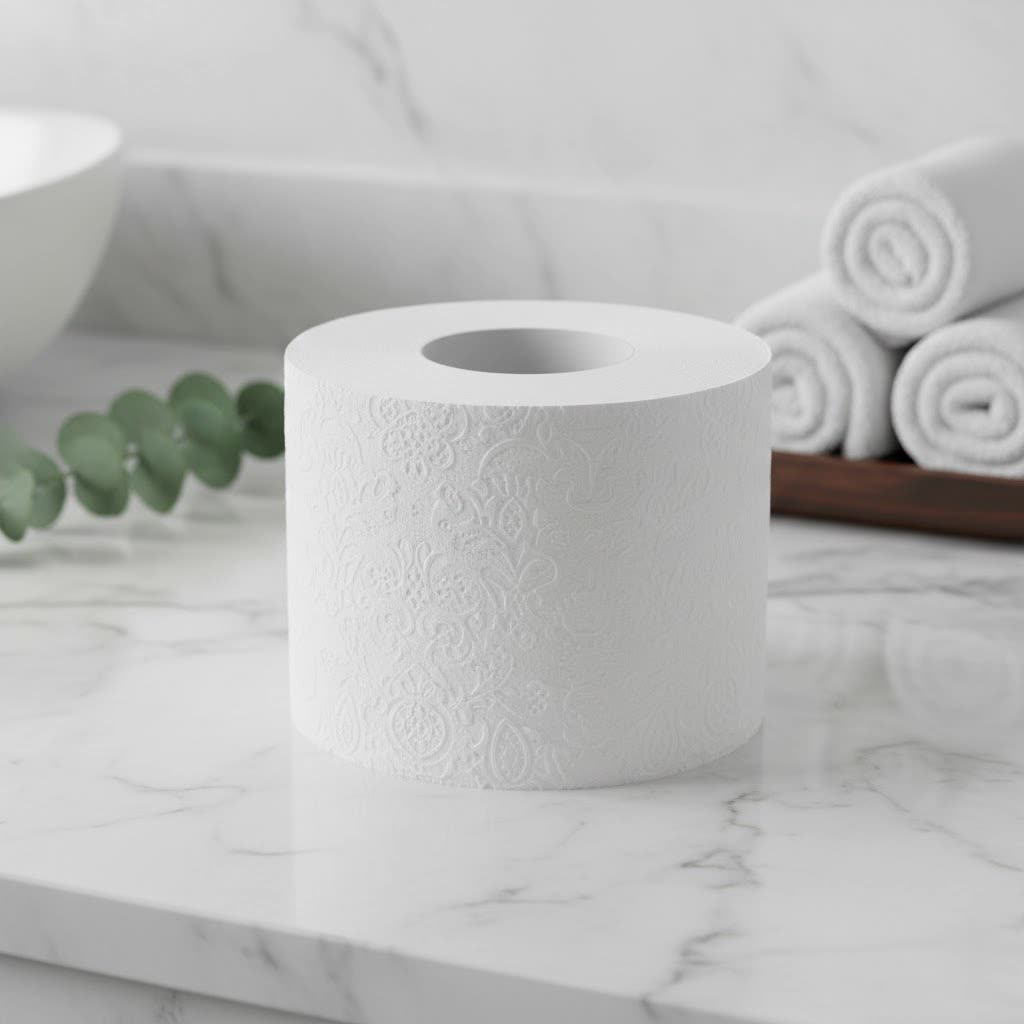
The humble toilet paper roll is an everyday essential, a seemingly simple product we often take for granted. Yet, beneath its unassuming exterior lies a world of choices, materials, and features that significantly impact our comfort, hygiene, budget, and even the environment. Navigating these options can feel overwhelming, but understanding the nuances of paper toilet paper allows you to make informed decisions that align with your specific needs and values. This comprehensive guide will unravel the complexities, helping you select the ideal toilet paper for any setting, ensuring a blend of quality, value, and sustainability.
What is Toilet Paper? An Overview of the Market
Toilet paper, also known as toilet tissue or bathroom tissue, is a tissue paper product primarily used for personal hygiene after defecation or urination. Its origins can be traced back to 6th-century China, though mass production and widespread use, particularly of paper rolls, only became common in the late 19th and early 20th centuries. From rudimentary single sheets to today’s multi-ply, ultra-soft varieties, its evolution reflects advancements in manufacturing and growing consumer demands for comfort and cleanliness.
The global toilet paper market is diverse, offering various types to cater to different preferences and applications. Common classifications include single-ply, multi-ply (2-ply, 3-ply, or even 4-ply), and specialized options like wet wipes (though the primary focus here is dry paper products). While specific brands vary regionally, the underlying characteristics and manufacturing processes are generally consistent worldwide. The market continuously innovates, with a growing emphasis on products that balance performance with environmental responsibility.
Essential Criteria for Selecting Toilet Paper
Choosing the right paper toilet paper goes beyond grabbing the cheapest pack off the shelf. Several key factors contribute to its overall quality, performance, and suitability for your household or business.
Material
The raw materials used in toilet paper production significantly influence its characteristics and environmental footprint.
- Virgin Pulp vs. Recycled Pulp: Virgin pulp, typically derived from newly harvested trees, generally produces softer and stronger toilet paper. However, its environmental impact is higher due to deforestation. Recycled pulp, made from post-consumer waste paper, offers a more sustainable alternative by reducing the demand for new trees and lowering landfill waste. While historically seen as less soft, modern recycled options have significantly improved in quality and comfort.
- Bamboo: An increasingly popular eco-friendly material, bamboo grows rapidly and requires less water and no pesticides, making it a sustainable choice. Bamboo toilet paper is often praised for its strength, durability, and natural softness.
- Bleached vs. Unbleached: Most conventional toilet paper is bleached to achieve its familiar white appearance. This process often involves chlorine-based chemicals, which can release harmful dioxins into the environment. Unbleached toilet paper retains its natural, brownish hue and avoids these chemicals, reducing pollutants during manufacturing and minimizing potential exposure to chemical substances for consumers.
- Certifications: Look for certifications like the Forest Stewardship Council (FSC) label. FSC certification ensures that wood pulp comes from responsibly managed forests, promoting sustainable forestry practices and protecting biodiversity.
Softness and Absorbency
|
Our Picks for the Best Toilet Paper in 2026
As an Amazon Associate I earn from qualifying purchases.
|
||
| Num | Product | Action |
|---|---|---|
| 1 | Happy Valentines Day Decorations Gifts for Him Her Girls Women Teens, 3 Ply 150 Sheet Funny Toilet Paper Roll, Red Love Heart Tissue Paper, Friends Bathroom Toilet Themed Party Decorations Favors |

|
| 2 | Amazon Basics Soft and Strong 2-Ply Toilet Paper, 6 Ultra Rolls = 24 Regular Rolls, Unscented, 340 Sheet (6 Rolls) |
|
| 3 | Amazon Basics FSC-Certified 2-Ply Septic-Safe Toilet Paper, Soft, 350 Sheets per Roll, 6 Rolls = 37 Regular Rolls |
|
| 4 | Scott Professional 100% Recycled Fiber Standard Roll Bulk Toilet Paper (13217), 2-Ply, Elevated Design, White, Individually Wrapped (80 Rolls of 473 Sheets, 37,840 Sheet Total) |
|
| 5 | Charmin Ultra Soft Cushiony Touch Toilet Paper, 24 Family Mega = 123 Regular Rolls, White |
|
| 6 | Amazon Basics FSC-Certified 2-Ply Septic-Safe Toilet Paper, Soft, 350 Sheets per Roll, 30 Rolls = 185 Regular Rolls |
|
| 7 | Quilted Northern Ultra Plush Toilet Paper, 24 Mega Rolls = 96 Regular Rolls, 3X Thicker*, 3 Ply Soft Toilet Tissue |
|
| 8 | Eco Comfort Pack Bamboo Toilet Paper – 350 Sheets per Roll, 3-Ply Soft & Strong, Plastic-Free Packaging, Septic Safe, Eco Friendly (PREMIUM WHITE, 12 Rolls) |
|
| 9 | Angel Soft Toilet Paper, 18 Mega Rolls = 72 Regular Rolls, Soft and Strong Toilet Tissue |
|
| 10 | Scott ComfortPlus Toilet Paper, 12 Double Rolls, 231 Sheets per Roll, Septic-Safe, 1-Ply Toilet Tissue |
|
These two qualities are paramount for a comfortable and effective experience.
- Ply Count: This refers to the number of layers in each sheet of toilet paper.
- Single-ply is thin and economical, often favored for high-traffic commercial settings where cost-efficiency is a priority.
- Multi-ply (2-ply, 3-ply, or 4-ply) offers enhanced softness, absorbency, and comfort. Two-ply typically strikes a balance between comfort and cost, while three-ply and four-ply options provide a more luxurious feel and superior performance.
- Quilted/Embossed Designs: Many multi-ply toilet papers feature quilted or embossed patterns. These designs are not just for aesthetics; they create air pockets between layers, which contributes to a softer, more cushioned feel and can enhance absorbency.
- Absorbency: Good absorbency means you can use less toilet paper to achieve cleanliness. This is influenced by ply count and the quality of the material. Higher ply and better material generally lead to greater absorbency.
Strength and Tear Resistance
No one wants toilet paper that tears apart during use, compromising hygiene and leading to increased consumption.
- Importance: Adequate strength and tear resistance ensure effective cleaning and prevent hands from coming into contact with waste.
- Factors: Ply count and material are key determinants of strength. Multi-ply toilet paper, especially those made from virgin or bamboo pulp, typically exhibits superior strength.
- Dissolvability: While strength is important during use, toilet paper must also break down easily in water to prevent plumbing issues. This is especially critical for homes with older plumbing systems or septic tanks. Some robust, thick toilet papers may struggle to disintegrate quickly, potentially leading to blockages if used in large quantities. The Consumer Council notes that some samples they tested took significant time to disperse in water, even after several minutes of stirring.
Roll Size and Quantity
Considering the size and quantity of toilet paper can significantly impact convenience and cost-effectiveness.
- Sheets per Roll and Total Length: The number of sheets and total length vary widely between brands and products. A higher sheet count or longer roll means fewer replacements, which is particularly beneficial in busy households or commercial environments.
- Net Weight: Beyond just sheet count, considering the net weight of a roll (after removing packaging and the paper tube) can provide a more accurate measure of value. The Consumer Council found net weights varying from 80g to 200g per roll, highlighting significant differences in density and actual paper content.
- Standard vs. Jumbo Rolls: Standard rolls are suitable for residential use. Jumbo rolls or large packs are ideal for high-traffic commercial settings, reducing the frequency of changes and ensuring consistent stock levels.
Price and Value
Cost is always a factor, but true value extends beyond the sticker price.
- Price Segments: Toilet paper is available across a broad spectrum of price points, from budget-friendly options to premium, ultra-soft varieties.
- Cost Comparison: When comparing prices, look beyond the price per package. Calculate the cost per sheet or, even better, the cost per 100 grams of net weight, as suggested by the Consumer Council, to accurately compare value across different brands and sizes.
- Bulk Buying: Purchasing in bulk is often a cost-effective strategy, leading to significant savings over time. Supermarkets frequently offer promotions and discounts for larger purchases.
Comparing Common Toilet Paper Types
Understanding the general differences between toilet paper types based on their ply and material can help you narrow down your choices.
- 1-Ply Toilet Paper: This is the most economical option, offering the lowest cost per sheet. It is thin and less absorbent, making it best suited for high-traffic public restrooms or environments where cost-efficiency is the primary concern. Its thinness generally aids in faster disintegration, which can be beneficial for plumbing.
- 2-Ply Toilet Paper: The most common type, 2-ply offers a good balance of softness, absorbency, and cost. It’s suitable for most households and general commercial use.
- 3-Ply and 4-Ply Toilet Paper: These are premium options, providing superior softness, absorbency, and strength. They offer a more luxurious feel but come at a higher price point. They are ideal for hospitality settings or homes prioritizing comfort. However, their thickness might require careful consideration for older plumbing systems due to potentially slower disintegration.
- Virgin Pulp Toilet Paper: Known for its superior softness and strength, often associated with a premium feel. However, it raises environmental concerns due to its reliance on new tree pulp.
- Recycled Toilet Paper: A sustainable choice that reduces environmental impact. Modern recycled toilet paper has improved significantly in softness and strength, making it a viable option for both residential and commercial use.
- Bamboo Toilet Paper: An eco-friendly alternative lauded for its rapid renewability and natural properties. It often provides a good combination of strength and softness, making it a strong contender for environmentally conscious consumers.
A Guide to Matching Toilet Paper to Your Needs
Choosing the perfect toilet paper involves a personalized approach, considering who will be using it, where it will be used, and what specific attributes are most important to you.
Identify Your Usage Needs
Before making a purchase, consider the context of its use:
- Household vs. Commercial: For families, comfort and softness often take precedence, while businesses might prioritize cost-efficiency, durability, and bulk availability. High-traffic commercial areas benefit from jumbo rolls to minimize frequent replacements.
- Priorities: Are you seeking ultimate softness, maximum strength, the most eco-friendly option, or the best value for money? Prioritizing these factors will guide your decision.
- Special Requirements: Do you or family members have sensitive skin? Opt for ultra-soft, fragrance-free options. Is your home on a septic system or does it have old plumbing? Prioritize toilet paper with excellent dissolvability to prevent costly clogs.
- Fragrance: While some prefer scented toilet paper for a fresh bathroom, others may find it irritating, especially those with sensitive skin.
Read Product Information Carefully
Don’t just look at the brand name. Delve into the product details:
- Ingredients and Certifications: Check for material composition (virgin, recycled, bamboo), and look for eco-labels like FSC certification to ensure responsible sourcing.
- User Reviews: Online reviews can provide valuable insights into real-world performance, softness, strength, and any potential issues like linting or poor dissolvability.
- Manufacturer and Distributor Information: Understanding the brand’s reputation and practices can contribute to a confident purchase.
Where to Purchase
The location of your purchase can also influence value and availability.
- Brick-and-Mortar Stores: Supermarkets, convenience stores, and traditional markets offer immediate availability and the chance to physically assess product feel. Supermarkets frequently run promotions, especially on bulk items. Drug stores and pharmacies may offer more stable prices but with a limited selection.
- Online Retailers: E-commerce platforms provide a vast selection, often competitive pricing, and the convenience of home delivery, particularly beneficial for bulk orders. Remember to check shipping costs and delivery times.
- Bulk Buying: Whether online or in-store, buying in larger quantities almost always results in a lower cost per roll. For businesses, partnering with reputable suppliers ensures consistent quality and efficient stock management.
Top Toilet Paper Considerations for Modern Consumers
Today’s consumers are increasingly conscious of both product performance and ethical considerations. Here are some key areas driving popular choices:
- Eco-Friendly Options: With growing environmental awareness, bamboo and recycled toilet paper with FSC certifications are highly sought after. These options minimize deforestation, reduce waste, and often involve less harmful manufacturing processes.
- Softest for Comfort: For those who prioritize a premium experience, multi-ply (3-ply or 4-ply) toilet papers featuring quilted or embossed designs remain popular. Brands that market “ultra-soft” variants cater specifically to this demand.
- Budget-Friendly and Efficient: Single-ply and economically priced 2-ply options continue to be favored by large households and commercial establishments where cost-efficiency and high sheet counts are critical. Value brands often provide a good balance of strength and affordability.
- Septic-Safe Solutions: For homes with specific plumbing needs, toilet paper designed for rapid disintegration is crucial. Brands often label their products as “septic-safe” to reassure consumers. These varieties prevent blockages and maintain the health of drainage systems.
“The seemingly simple choice of toilet paper hides a complex interplay of materials, engineering, and environmental impact. Consumers today are empowered by a wealth of information to choose products that not only meet their personal comfort standards but also align with their values regarding sustainability and health.” – Dr. Elena Petrova, Environmental Science Researcher
Important Tips for Using and Storing Toilet Paper
Beyond selecting the right product, proper usage and storage of toilet paper are essential for hygiene, longevity, and overall bathroom efficiency.
- Proper Usage for Personal Hygiene: Use enough toilet paper for effective cleaning, but avoid excessive use, which can lead to waste and potential plumbing issues, especially with thicker varieties. Fold or wad the paper as preferred, ensuring adequate layers for protection.
- Storage: Store toilet paper in a dry, cool place, away from moisture and direct sunlight. Moisture can degrade the paper’s quality, making it less effective and potentially promoting mold growth. Many bathrooms have limited dry storage, so consider larger, less frequently used rolls for storage outside the immediate bathroom area.
- Disposal: Always dispose of used toilet paper by flushing it down the toilet. Crucially, avoid flushing other items like paper towels, facial tissues, or wet wipes (unless explicitly labeled as flushable and verified to disintegrate easily), as these do not break down in water like toilet paper and are a major cause of plumbing blockages and septic system problems. If your toilet has a weak flush or your pipes are prone to blockages, pay extra attention to the dissolvability of your chosen toilet paper.
Conclusion
The journey through the world of paper toilet paper reveals that this everyday necessity is anything but simple. From understanding the impact of virgin versus recycled pulp to appreciating the role of ply count in softness and strength, making an informed choice is key to enhancing your daily comfort, managing your budget, and contributing to a more sustainable planet. By carefully considering material, softness, strength, roll size, and price, you can navigate the market with confidence. The ideal toilet paper strikes a harmonious balance between personal preference, practical needs, and environmental responsibility.
What factors matter most to you when choosing toilet paper for your home or business?
Frequently Asked Questions
What is the difference between single-ply and multi-ply toilet paper?
Single-ply toilet paper is a single, thin layer, making it economical and suitable for high-traffic areas. Multi-ply (2-ply, 3-ply, or 4-ply) has multiple layers, offering greater softness, absorbency, and strength, ideal for enhanced comfort and better cleaning performance.
Can I use recycled toilet paper for commercial purposes?
Yes, recycled toilet paper is an excellent choice for commercial settings. It’s cost-effective, reduces environmental impact, and modern versions offer improved softness and strength, making them suitable for various businesses, especially those prioritizing sustainability.
What size toilet paper rolls should I buy for my business?
For businesses, especially those with high traffic, jumbo rolls or large bulk packs are generally recommended. These larger sizes reduce the frequency of roll changes, save on labor, and ensure a consistent supply, leading to greater efficiency.
How do I know if a toilet paper brand is environmentally responsible?
To identify environmentally responsible toilet paper, look for certifications such as the Forest Stewardship Council (FSC) label, which indicates responsible forest management. Additionally, choose products made from recycled content or rapidly renewable resources like bamboo.
Is soft toilet paper better for sensitive skin?
Yes, ultra-soft toilet paper is generally better for sensitive skin as it provides a gentler touch, reducing irritation. Opt for fragrance-free varieties as added scents can sometimes contain chemicals that may cause allergic reactions or discomfort for those with sensitivities.
Get our weekly buyer guide
Practical specs, not advice. Unsubscribe anytime.
