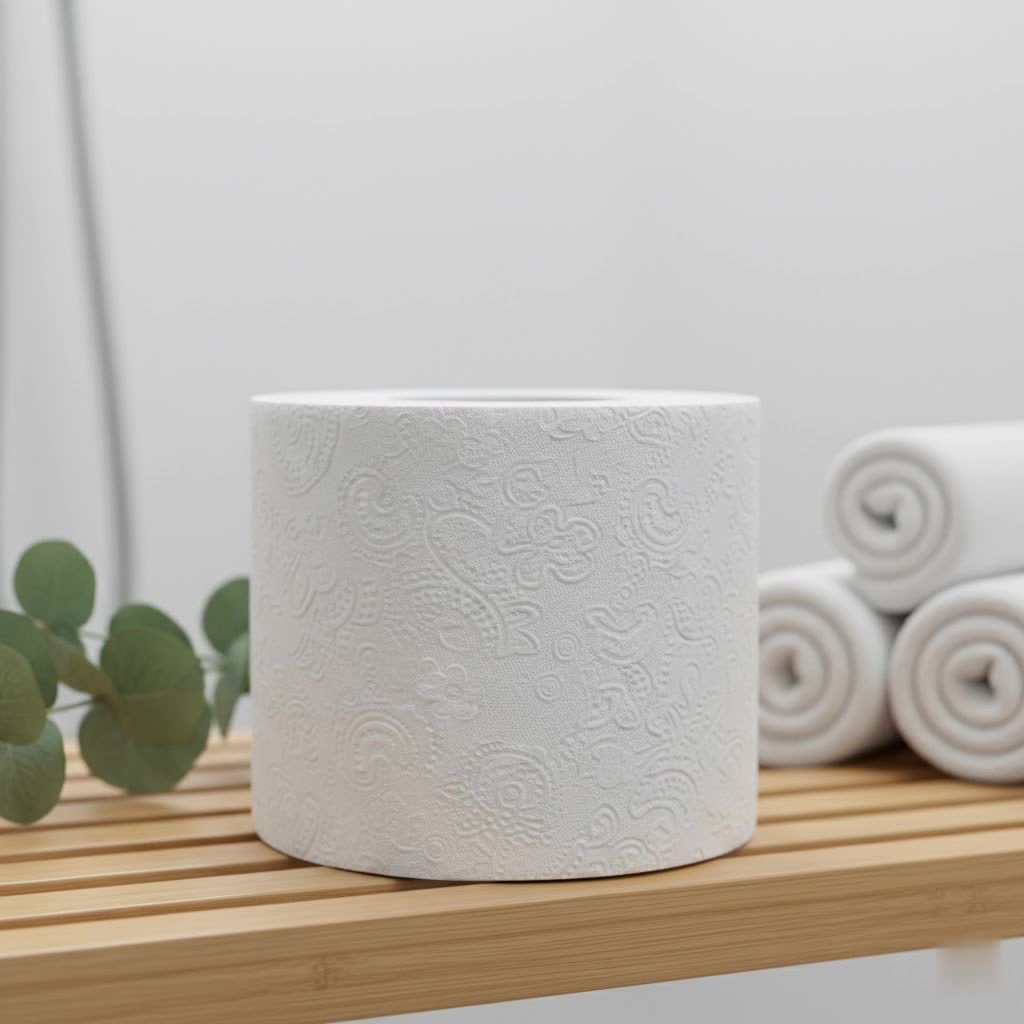
For homeowners relying on a septic system, the seemingly simple act of choosing toilet paper carries significant weight. Unlike municipal sewer systems, septic tanks are delicate ecosystems where waste breaks down naturally with the help of beneficial bacteria. Introducing the wrong type of toilet paper can disrupt this balance, leading to costly clogs, backups, and even system failure. This comprehensive guide will equip you with the knowledge to select the best septic system toilet paper, ensuring your plumbing remains healthy and your home stays free of unpleasant issues.
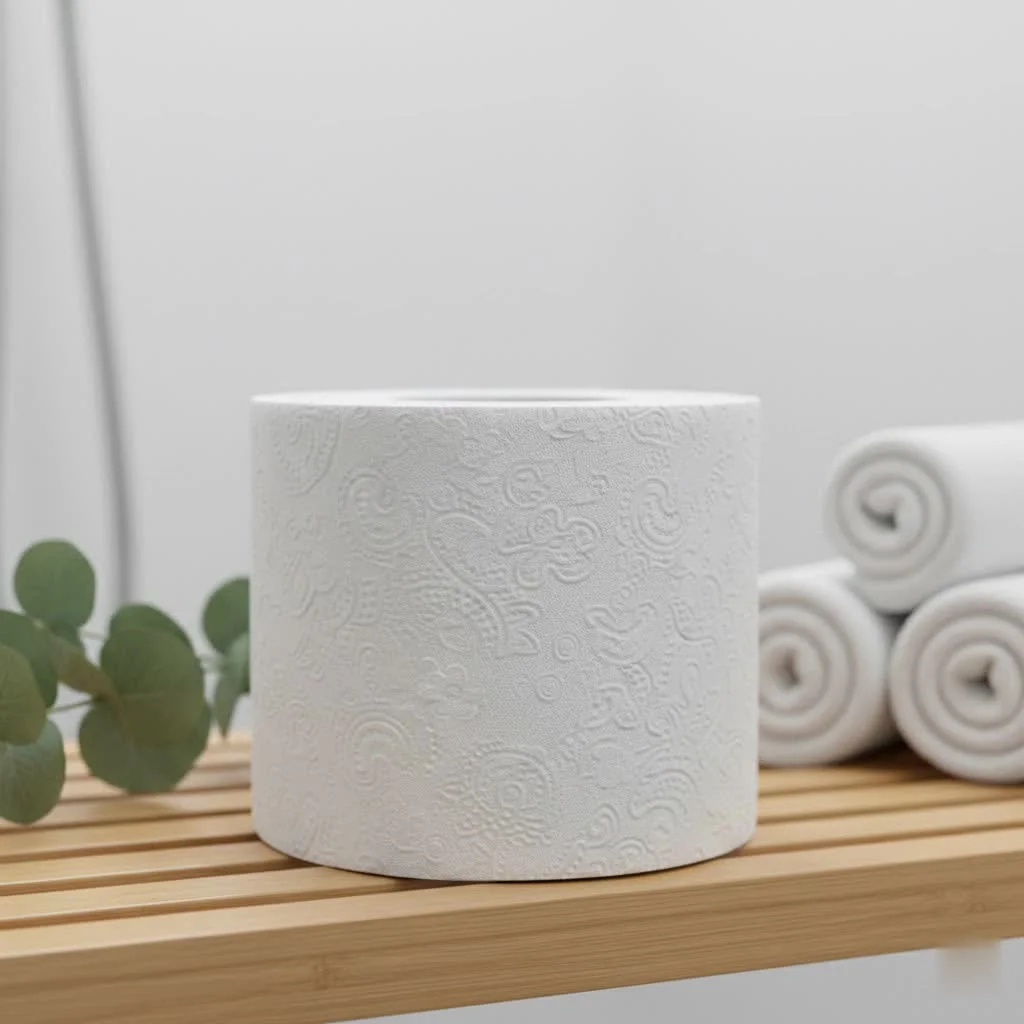
What is Septic System Toilet Paper? An Overview of the Essentials
Septic system toilet paper is specifically designed to break down rapidly when exposed to water, preventing it from accumulating in your septic tank and drain field. Standard toilet paper, particularly multi-ply or heavily quilted varieties, often contains longer, stronger fibers that resist disintegration. This resistance can lead to a build-up of undissolved paper, forming a thick sludge layer that interferes with the tank’s natural decomposition process and can eventually cause blockages in pipes or the drain field.
Types of Septic-Friendly Toilet Paper
The market offers several types of toilet paper that are generally considered safe for septic systems:
- Single-Ply (1-Ply): This is often the quickest to dissolve due to its thinner composition. While it may offer less comfort, it presents the lowest risk of clogging.
- Double-Ply (2-Ply): Many 2-ply options are now engineered to be septic-safe, offering a better balance of softness, strength, and rapid dissolution. These are a popular choice for daily use.
- Biodegradable Toilet Paper: This type is specifically formulated to break down easily in water, turning into smaller particles that are less likely to clump and harm your system.
- Recycled Paper Toilet Paper: Made from 100% recycled materials, these papers often have shorter fibers that disintegrate almost completely. They are also typically bleach-free, which benefits the septic tank’s bacterial balance.
- Tree-Free Toilet Paper: Options made from sustainable materials like bamboo or sugarcane are gaining popularity. As these are natural grasses, their fibers break down quickly and naturally, making them an eco-friendly and septic-safe choice.
Globally and locally, many brands are now focusing on septic-friendly formulations, making it easier for consumers to find suitable options.
Key Criteria for Choosing Septic System Toilet Paper
Selecting the right toilet paper for your septic system involves considering several important factors beyond just price and softness.
Material: The Foundation of Septic Safety
The raw material and manufacturing process are paramount.
- Recycled vs. Virgin Paper: Toilet paper made from recycled paper generally contains shorter fibers, which makes it break down much more easily and quickly in water. This prevents sludge buildup and is often bleach-free, protecting the beneficial bacteria in your septic tank. Virgin wood pulp toilet paper can also be septic-safe if specifically designed for rapid breakdown, but recycled options are often superior for this purpose.
- Tree-Free Alternatives: Bamboo and sugarcane-based toilet papers are excellent choices. As quickly growing grasses, their fibers are naturally suited for rapid decomposition, providing both septic safety and environmental sustainability.
- Additives to Avoid: Stay clear of toilet papers with harsh chemicals, dyes, strong fragrances, or chlorine bleach. These additives can disrupt the delicate bacterial balance in your septic tank, hindering the natural breakdown of waste.
- Certifications: Look for certifications from reputable organizations. While the National Sanitation Foundation (NSF) certifies many products, for toilet paper, certifications related to sustainable sourcing (like Forest Stewardship Council – FSC, Sustainable Forestry Initiative – SFI, Rainforest Alliance) and biodegradability (like BRC, FDA, ISO for manufacturing standards) can indicate a product’s overall quality and suitability for septic systems.
Softness and Absorbency: Balancing Comfort with Function
|
Our Picks for the Best Toilet Paper in 2026
As an Amazon Associate I earn from qualifying purchases.
|
||
| Num | Product | Action |
|---|---|---|
| 1 | Angel Soft Toilet Paper, 18 Mega Rolls = 72 Regular Rolls, Soft and Strong Toilet Tissue |

|
| 2 | Quilted Northern Ultra Plush Toilet Paper, 24 Mega Rolls = 96 Regular Rolls, 3X Thicker*, 3 Ply Soft Toilet Tissue |
|
| 3 | Amazon Basics Soft and Strong 2-Ply Toilet Paper, 6 Ultra Rolls = 24 Regular Rolls, Unscented, 340 Sheet (6 Rolls) |
|
| 4 | Scott Professional 100% Recycled Fiber Standard Roll Bulk Toilet Paper (13217), 2-Ply, Elevated Design, White, Individually Wrapped (80 Rolls of 473 Sheets, 37,840 Sheet Total) |
|
| 5 | Happy Valentines Day Decorations Gifts for Him Her Girls Women Teens, 3 Ply 150 Sheet Funny Toilet Paper Roll, Red Love Heart Tissue Paper, Friends Bathroom Toilet Themed Party Decorations Favors |
|
| 6 | Amazon Basics FSC-Certified 2-Ply Septic-Safe Toilet Paper, Soft, 350 Sheets per Roll, 30 Rolls = 185 Regular Rolls |
|
| 7 | Amazon Basics FSC-Certified 2-Ply Septic-Safe Toilet Paper, Soft, 350 Sheets per Roll, 6 Rolls = 37 Regular Rolls |
|
| 8 | Scott ComfortPlus Toilet Paper, 12 Double Rolls, 231 Sheets per Roll, Septic-Safe, 1-Ply Toilet Tissue |
|
| 9 | Charmin Ultra Soft Cushiony Touch Toilet Paper, 24 Family Mega = 123 Regular Rolls, White |
|
| 10 | Eco Comfort Pack Bamboo Toilet Paper – 350 Sheets per Roll, 3-Ply Soft & Strong, Plastic-Free Packaging, Septic Safe, Eco Friendly (PREMIUM WHITE, 12 Rolls) |
|
It’s a common misconception that soft toilet paper is bad for septic systems. While excessively plush, multi-ply papers can be problematic, many septic-safe options now offer a good balance of softness and absorbency.
- Testing Softness: The best way to gauge softness is by touch and user reviews.
- Impact on Use: Good absorbency reduces the amount of paper needed, which in turn reduces the overall load on your septic system. However, this absorbency should not come at the cost of slow dissolution.
- Comparing Options: Many 2-ply septic-safe brands aim to provide a comfortable experience while ensuring quick breakdown.
Durability and Tear Resistance: Strength When Needed
The durability or “wet strength” of toilet paper refers to how well it holds together when wet. While some wet strength is necessary for effective cleaning, excessive wet strength can hinder dissolution in a septic tank.
- Why Durability Matters: You want toilet paper that is strong enough not to tear apart during use but fragile enough to disintegrate once flushed.
- Checking Durability: The at-home dissolution test (described later) will reveal how well a paper holds up before it breaks down. Toilet papers with very long, strong fibers, often found in heavily quilted or very thick multi-ply varieties, tend to have high wet strength and are less ideal for septic systems.
Size and Quantity: Practical Considerations
While not directly impacting septic safety, the size and quantity of toilet paper rolls affect convenience and cost.
- Roll Sizes: Common sizes include standard, double, mega, and jumbo rolls. Larger rolls mean less frequent changing.
- Cost Calculation: Consider the cost per sheet or per equivalent standard roll to find the most economical option. Buying in bulk often reduces the unit price.
- Matching Needs: Choose roll sizes that fit your dispensers and storage space. For larger households or commercial settings with septic systems, large, septic-safe rolls can be a practical choice.
Price: Investing in Septic Health
Septic-safe toilet paper often falls within a reasonable price range, though some specialized tree-free or ultra-eco-friendly options might be slightly more expensive.
- Price Segmentation: You’ll find septic-safe options across various price points, from budget-friendly to premium.
- Value Over Pure Cost: Remember that choosing suitable toilet paper is an investment in your septic system’s longevity, potentially saving you thousands in repair costs down the line. A slightly higher price for septic-safe paper is often negligible compared to the expense of a clogged or damaged system.
- Savings Tips: Look for sales, buy in bulk, and compare prices across different retailers, including online marketplaces.
Comparing Common Types of Toilet Paper for Septic Systems
To help you make an informed decision, here’s a comparison of typical toilet paper characteristics in relation to septic systems:
| Feature/Type | 1-Ply (Septic-Safe) | 2-Ply (Septic-Safe) | Recycled (Septic-Safe) | Tree-Free (Bamboo/Sugarcane) | Multi-Ply (Standard/Non-Septic) | Scented/Colored (Standard) |
|---|---|---|---|---|---|---|
| Material | Virgin/Recycled Pulp | Virgin/Recycled Pulp | 100% Recycled Fibers | Bamboo/Sugarcane Fibers | Virgin Wood Pulp | Virgin Wood Pulp with Additives |
| Breakdown Speed | Very Fast | Fast | Very Fast | Very Fast | Slow | Slow, Chemicals Harmful |
| Layers | 1-ply | 2-ply | 1-ply or 2-ply | 2-ply | 3-ply, 4-ply, heavily quilted | Any, with added chemicals |
| Softness | Moderate | Good | Moderate to Good | Good | Excellent | Good, but chemical concern |
| Absorbency | Moderate | Good | Moderate | Good | Excellent | Good |
| Environmental Impact | Varies by source | Varies by source | Excellent | Excellent | Moderate | Poor |
| Risk to Septic | Very Low | Low | Very Low | Very Low | High | High |
| Cost | Low to Moderate | Moderate | Moderate | Moderate to High | Moderate to High | Moderate to High |
| Common Use | RVs, Septic, Budget | Everyday Septic Use | Eco-conscious Septic | Eco-conscious Septic | City Sewer Systems | City Sewer Systems |
How to Choose the Right Toilet Paper for Your Needs
Making the final choice requires a personalized approach based on your household’s specific needs and priorities.
Determine Usage Needs
- Household Size and Traffic: A busy family home will go through more toilet paper, emphasizing both cost-effectiveness and reliable septic safety. Offices and restaurants with septic systems require robust, fast-dissolving options.
- Priorities: Do you prioritize ultimate softness, eco-friendliness, budget, or the fastest possible breakdown? Identify your top 2-3 factors.
- Sensitive Skin or Allergies: If anyone in your household has sensitive skin, opt for toilet paper free of dyes, fragrances, and chlorine bleach, which are also beneficial for your septic system.
Read Product Information Carefully
- Ingredients and Manufacturing: Look for clear statements about materials (e.g., “100% recycled paper,” “bamboo”), and avoid lists of chemical additives or “harsh ingredients.”
- Certifications: As mentioned, certifications like FSC, SFI, and Rainforest Alliance indicate responsible sourcing. Some brands explicitly state “septic-safe” or “RV-friendly,” which are strong indicators.
- User Reviews: Online reviews can offer valuable insights into a product’s actual performance, particularly regarding softness and how well it breaks down in practice.
- Manufacturer and Distributor Information: Reputable brands often provide transparency about their products and their suitability for septic systems.
Where to Buy Septic-Friendly Toilet Paper
- Retail Stores: Most major supermarkets and convenience stores now carry a range of septic-safe options. Look for labels indicating suitability for septic systems.
- Online Marketplaces: Websites like Amazon, Walmart, and Target offer a wider selection, often with customer reviews and detailed product specifications. This is a great place to find niche or eco-friendly brands.
- Bulk Purchases: For savings, consider buying septic-safe toilet paper in bulk, especially if you’ve found a brand that works well for your system.
Top Septic System Toilet Papers (Detailed Reviews)
Based on their rapid dissolution and septic-friendly characteristics, here are some highly-regarded toilet paper options for septic systems:
- Scott Rapid Dissolving Toilet Paper: This 1-ply option is explicitly designed for RVs and septic systems, known for its exceptional breakdown speed. It’s a no-frills, reliable choice that prioritizes function over extreme plushness.
- Caboo Tree-Free Bamboo Toilet Paper: An excellent eco-friendly choice, Caboo is made from sustainable bamboo and sugarcane. It’s fully biodegradable, fragrance-free, and dissolves quickly while still offering a soft and strong feel.
- Seventh Generation White Toilet Paper: Made from 100% recycled paper, this 2-ply option is free of dyes, fragrances, and chlorine bleach. It’s a solid sustainable choice that is gentle on septic systems and suitable for sensitive skin.
- Angel Soft Toilet Paper: A popular choice for its balance of softness and affordability, Angel Soft generally breaks down well in most septic systems. Some variants use a scented tube rather than scented paper, which is a better approach for septic tanks.
- Cottonelle Ultra ComfortCare Toilet Paper: While a more plush 2-ply option, Cottonelle Ultra ComfortCare is designed to be clog-free and septic-safe. It uses renewable plant-based fibers and is free of harsh ingredients, offering comfort without compromising septic health.
Important Notes on Using and Storing Toilet Paper with Septic Systems
Beyond choosing the right product, proper usage and storage also play a role in septic system maintenance.
- Use Toilet Paper Judiciously: While septic-safe paper dissolves, using excessive amounts can still put a strain on your system. Encourage mindful usage.
- Never Flush “Flushable” Wipes: Despite their name, flushable wipes are a leading cause of septic system clogs. They do not break down like toilet paper and can accumulate into large obstructions in your tank. Only toilet paper should ever be flushed.
- Avoid Other Non-Biodegradable Items: Cotton balls, feminine hygiene products, paper towels, dental floss, and harsh chemicals should never enter your septic system. These items will not decompose and will lead to costly problems.
- At-Home Dissolution Test: If you’re unsure about a brand, perform this simple test:
- Fill a clear jar with water.
- Add 2-3 squares of the toilet paper you want to test.
- Seal the jar and shake it vigorously for 10-15 seconds.
- Observe how quickly and completely the toilet paper breaks apart into small particles. The faster and more completely it dissolves, the better it is for your septic system.
- Proper Storage: Store toilet paper in a dry, cool place to prevent moisture absorption, which could affect its texture or lead to mildew.
“Choosing the right toilet paper is one of the simplest, yet most impactful, decisions a septic system owner can make. It’s an easy step that prevents many common and costly plumbing headaches.” – Admin, reviewscuteg.com
Conclusion
Navigating the world of toilet paper for septic systems doesn’t have to be complicated. By understanding the critical factors—material composition, dissolution speed, and the absence of harmful additives—you can confidently select products that protect your septic investment. Prioritizing biodegradable, recycled, or tree-free options, especially in single or two-ply formats, ensures optimal performance. Remember, a healthy septic system is a happy septic system, and your choice of toilet paper is a key ingredient in its longevity.
What septic-safe toilet paper features are most important to you when making a purchase?
Frequently Asked Questions
What are the most important factors for septic-safe toilet paper?
The most crucial factors for septic-safe toilet paper are its ability to break down quickly and completely in water, and the absence of harsh chemicals, dyes, or fragrances. Look for terms like “biodegradable,” “rapid dissolving,” “1-ply,” or “2-ply,” and those made from recycled or tree-free materials.
Can I use flushable wipes with a septic system?
No, you should absolutely avoid using “flushable” wipes with a septic system. Despite their labeling, these wipes typically do not dissolve and are a primary cause of blockages and sludge accumulation, leading to expensive septic system repairs.
What is wet strength in toilet paper and why does it matter for septic systems?
Wet strength refers to how well toilet paper holds together when it gets wet. For septic systems, high wet strength is undesirable because it means the paper resists breaking down. You want toilet paper that performs adequately during use but quickly disintegrates once flushed to prevent clogs.
Get our weekly buyer guide
Practical specs, not advice. Unsubscribe anytime.
