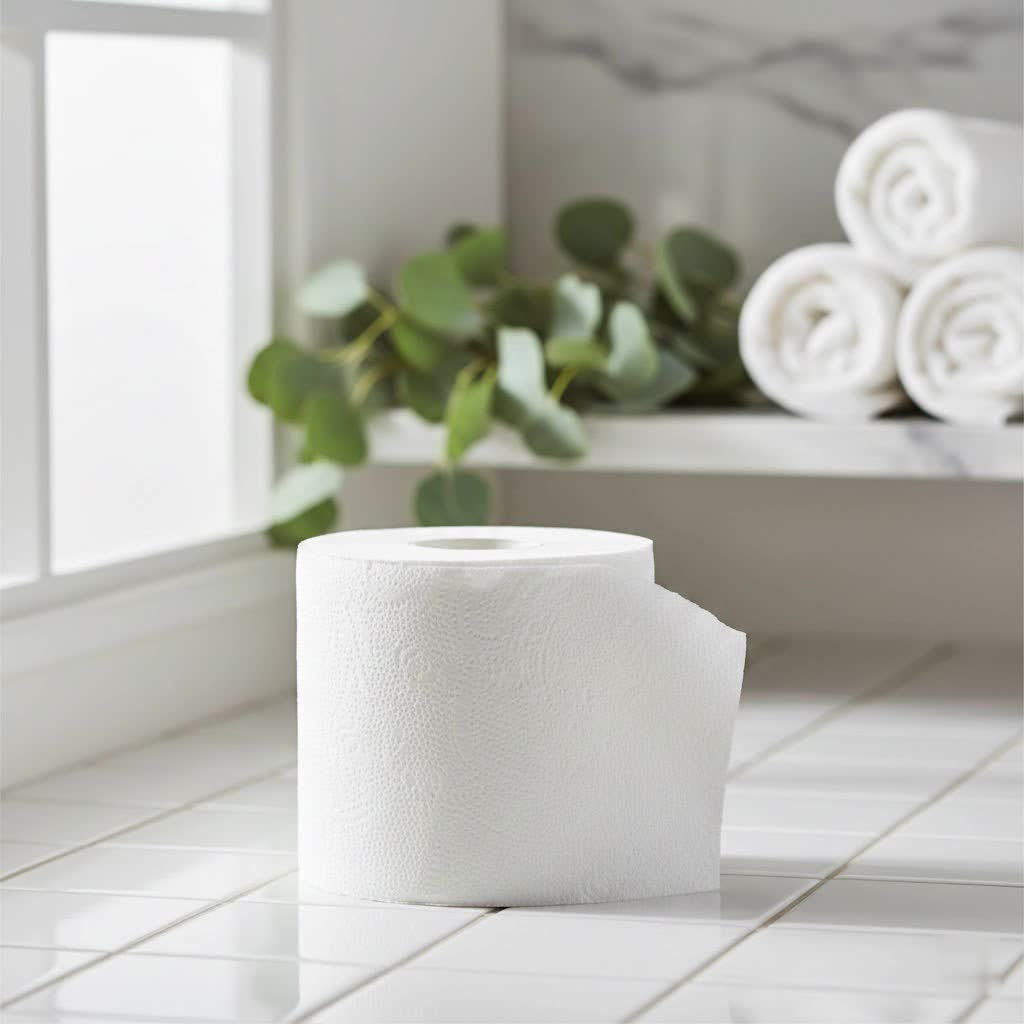
In the daily rhythm of life, few products are as universally used yet as often overlooked as toilet paper. However, for those who prioritize comfort and hygiene, the pursuit of the softest toilet paper is a journey worth taking. From its humble beginnings to today’s luxurious, eco-conscious options, toilet paper has evolved significantly, offering a vast array of choices. This guide examine the world of plush bathroom tissue, helping you navigate the market and select the ideal soft toilet paper that meets your needs and budget.
What is Toilet Paper: An Overview of the Market
Toilet paper, also known as bathroom tissue, is a tissue paper product used for personal hygiene. Its history traces back centuries, but the modern, mass-produced roll became common in the late 19th century. What began as a utilitarian item has transformed into a sophisticated product with varying textures, strengths, and environmental considerations.
Today’s market is rich with options, generally categorized by their ply count: single-ply, two-ply, and three-ply. While single-ply is often thinner and more economical, two-ply and three-ply options typically offer enhanced softness, absorbency, and durability. Beyond traditional paper, the rise of eco-consciousness has introduced alternatives like bamboo toilet paper, which offers sustainable benefits without compromising comfort. Major brands like Charmin, Cottonelle, Quilted Northern, and Angel Soft dominate shelves, alongside specialty brands focusing on environmental impact or unique features. In regions like the UK, brands such as Andrex, Cushelle, and Nicky Elite are prominent, offering diverse ranges that cater to discerning consumers.
Essential Criteria for Selecting the Softest Toilet Paper
Choosing the softest toilet paper involves more than just a quick squeeze of the roll. A truly soft toilet paper provides a gentle touch while also delivering on performance.
Material Matters
The raw materials used significantly influence toilet paper’s softness, strength, and environmental footprint. Toilet paper is primarily made from wood pulp, which can be virgin or recycled.
- Recycled vs. Virgin Pulp: Virgin pulp, sourced directly from trees, often yields a softer, whiter paper. However, recycled pulp reduces deforestation and conserves resources, making it a more sustainable choice. Innovations in recycling processes have greatly improved the softness of recycled options.
- Hardwood vs. Softwood Fibers: The type of wood pulp plays a crucial role. Hardwood trees (like oak, maple, and gum) have shorter fibers, which contribute to a smoother, softer feel. Softwood trees (like pine and spruce) have longer fibers, providing greater tensile strength and durability. Most toilet papers combine both, with a higher percentage of hardwood fibers often used for softer varieties.
- Bamboo as an Eco-Friendly Option: Bamboo toilet paper is gaining popularity due to bamboo’s rapid growth and minimal environmental impact. It is naturally soft, strong, and often hypoallergenic, making it an excellent choice for sensitive skin and eco-conscious households. Brands like PlantPaper and Reel specialize in bamboo-based options.
- Certifications: Look for certifications like PEFC (Programme for the Endorsement of Forest Certification) which indicate responsible forest management, or claims of being free from harsh bleaches, ensuring safety for both skin and the environment.
Plushness and Absorbency
|
Our Picks for the Best Toilet Paper in 2026
As an Amazon Associate I earn from qualifying purchases.
|
||
| Num | Product | Action |
|---|---|---|
| 1 | Amazon Basics FSC-Certified 2-Ply Septic-Safe Toilet Paper, Soft, 350 Sheets per Roll, 30 Rolls = 185 Regular Rolls |

|
| 2 | Happy Valentines Day Decorations Gifts for Him Her Girls Women Teens, 3 Ply 150 Sheet Funny Toilet Paper Roll, Red Love Heart Tissue Paper, Friends Bathroom Toilet Themed Party Decorations Favors |
|
| 3 | Scott Professional 100% Recycled Fiber Standard Roll Bulk Toilet Paper (13217), 2-Ply, Elevated Design, White, Individually Wrapped (80 Rolls of 473 Sheets, 37,840 Sheet Total) |
|
| 4 | Amazon Basics Soft and Strong 2-Ply Toilet Paper, 6 Ultra Rolls = 24 Regular Rolls, Unscented, 340 Sheet (6 Rolls) |
|
| 5 | Amazon Basics FSC-Certified 2-Ply Septic-Safe Toilet Paper, Soft, 350 Sheets per Roll, 6 Rolls = 37 Regular Rolls |
|
| 6 | Eco Comfort Pack Bamboo Toilet Paper – 350 Sheets per Roll, 3-Ply Soft & Strong, Plastic-Free Packaging, Septic Safe, Eco Friendly (PREMIUM WHITE, 12 Rolls) |
|
| 7 | Scott ComfortPlus Toilet Paper, 12 Double Rolls, 231 Sheets per Roll, Septic-Safe, 1-Ply Toilet Tissue |
|
| 8 | Angel Soft Toilet Paper, 18 Mega Rolls = 72 Regular Rolls, Soft and Strong Toilet Tissue |
|
| 9 | Charmin Ultra Soft Cushiony Touch Toilet Paper, 24 Family Mega = 123 Regular Rolls, White |
|
| 10 | Quilted Northern Ultra Plush Toilet Paper, 24 Mega Rolls = 96 Regular Rolls, 3X Thicker*, 3 Ply Soft Toilet Tissue |
|
The core of “softest toilet paper” lies in its plushness, which directly impacts comfort and effectiveness.
- The Science of Softness: Softness is engineered through several manufacturing processes. One key technique is “creping,” where the paper sheet is scraped off a large, polished steel cylinder (Yankee Cylinder) during drying. This process imparts flexibility and stretch, reducing density and making the paper feel softer. Advanced machinery and specialized fiber blends contribute to a luxurious feel. Some manufacturers also incorporate softening lotions or additives like fibre lubricants and Mizoline, which reduce friction and bonding between fibers, enhancing the paper’s overall softness.
- Why Softness is Crucial: Rough toilet paper can cause discomfort and even tiny, unnoticed micro-tears in sensitive skin, which can take weeks to heal. Soft toilet paper provides a gentle touch, making it ideal for those with sensitive skin, children, or anyone seeking a more pleasant bathroom experience.
- How Absorbency Impacts Experience: While softness is paramount, effective absorbency is equally important for hygiene. A highly absorbent toilet paper means you use fewer sheets, contributing to both efficiency and value. The internal structure of the paper, including micro air pockets in quilted designs, can enhance its ability to soak up moisture quickly.
- Measuring Softness: Industry experts and consumer testers often use specialized lab equipment to measure the tactile softness of toilet paper, alongside blind comparison tests and real-user feedback to ensure objective assessments.
Strength and Tear Resistance
The ideal soft toilet paper strikes a balance between luxurious softness and reliable strength. Nobody wants a toilet paper that crumbles or tears during use.
- Importance of Durability: A durable toilet paper ensures effective cleaning without excessive tearing, providing confidence and reducing the amount of paper needed.
- Factors Affecting Strength: The ply count and the blend of long (softwood) and short (hardwood) fibers directly impact strength. While longer fibers add strength, a higher ply count offers more resilience and prevents easy tearing. Wet strength is also a critical factor, ensuring the paper holds up when damp.
- Balancing Softness with Strength: Manufacturers continually innovate to achieve optimal softness without significant compromise on strength. Products like Charmin Ultra Soft are often praised for their ability to deliver both a cushiony feel and reliable durability.
Size, Ply Count, and Quantity
These practical considerations affect convenience, cost, and overall user satisfaction.
- Standard Sheet Sizes and Shrinking Trends: While a common sheet size used to be 4.5 x 4.5 inches, many brands now offer slightly smaller sheets (e.g., 4 x 4 inches). This subtle reduction can impact the perceived value and amount of paper used per roll.
- Impact of Ply Count on Comfort and Cost: Single-ply is the most economical but typically the least soft and strong. Two-ply offers a good balance of softness, strength, and value, making it a popular choice. Three-ply provides the ultimate in plushness and often superior durability, though it usually comes at a higher price point.
- Understanding Sheets Per Roll and Value: Comparing total sheets per package and sheet size across brands is essential for assessing true value. “Mega rolls” or “jumbo rolls” offer more sheets, reducing how often you need to change rolls or purchase new packs, making them a cost-effective choice for larger households.
Price and Value
The cost of toilet paper varies widely, influenced by brand, quality, ply, and quantity.
- Price Segments: You can find toilet paper across budget-friendly, mid-range, and premium price segments. Generic store brands often offer surprising quality at lower prices, while premium brands like Charmin Ultra Soft or Quilted Northern Ultra Plush are positioned for maximum comfort.
- Comparing Cost-Effectiveness: Don’t just look at the upfront price. Calculate the cost per sheet or per 100 sheets to truly compare value across different brands and roll sizes. Bulk purchases often offer significant savings over smaller packs.
- Tips for Finding Good Deals: Look for sales, coupons, and consider subscribing to regular deliveries from online retailers. Value packs and multi-rolls are usually more economical than single rolls.
Septic-Safe and Eco-Friendly Options
Beyond personal comfort, the environmental impact and compatibility with home plumbing systems are increasingly important.
- Importance of Dissolvability for Plumbing: Toilet paper that dissolves quickly in water is crucial for preventing clogs and maintaining healthy septic systems. Some ultra-strong or highly plush options might take longer to break down, potentially leading to plumbing issues, especially in older systems. Testing labs often evaluate dissolution rates.
- Environmental Considerations: Opting for recycled content or bamboo-based toilet paper significantly reduces your environmental footprint. Brands committed to sustainable forestry practices and minimal chemical processing align with eco-conscious values. Look for claims of “tree-free” or “made with recycled content.”
Comparing Popular Soft Toilet Paper Types
The market offers a range of soft toilet paper, each with unique characteristics. Here’s a comparison of some popular options:
| Brand/Type | Ply | Material | Key Softness Feature | Strength/Durability | Absorbency | Septic-Safe | General Assessment |
|---|---|---|---|---|---|---|---|
| Charmin Ultra Soft | 2-ply | Virgin Pulp | Cushiony layers, plush feel | Good | Excellent | Moderate | Consistently rated softest, great comfort. |
| Quilted Northern Ultra Plush | 3-ply | Virgin Pulp | Luxurious, ultra-plush | Good | Very Good | Moderate | High-end softness, very comfortable. |
| PlantPaper | 3-ply | Bamboo | Naturally soft, no additives | Very Good | Good | Excellent | Eco-friendly, strong, quick dissolving. |
| Angel Soft | 2-ply | Virgin Pulp | Soft and strong balance | Moderate | Good | Good | Good value, decent softness, but can be thinner. |
| The Cheeky Panda Classic | 2-ply | Bamboo | Sustainable, hypoallergenic | Good | Good | Excellent | Eco-friendly, good balance of softness and absorbency. |
| Nicky Elite 3 Ply Quilted | 3-ply | Virgin Pulp | Softening lotion, quilted | Very Good | Very Good | Good | Luxurious feel, excellent for indulgence. |
| Berkley Ultra Soft | 2-ply | Virgin Pulp | High scores for softness | Good (wet) | Perfect | Excellent | Great value, highly absorbent, dissolves quickly. |
How to Choose the Right Soft Toilet Paper for Your Needs
Navigating the multitude of options can be overwhelming. Here’s a structured approach to ensure you pick the perfect soft toilet paper for your household.
Assess Your Usage Needs
Your lifestyle and preferences should guide your choice.
- Usage for Family, Office, or Restaurant? For a family with sensitive skin, prioritizing ultimate softness is key. For an office or restaurant, a balance of softness, durability, and cost-effectiveness might be more important.
- Prioritize Factors: Do you value unparalleled softness above all else, or is a combination of softness, strength, and budget more crucial? Some users might prioritize eco-friendliness or septic-safety.
- Sensitive Skin Requirements: If anyone in your household has sensitive skin or allergies, opt for hypoallergenic, unscented, and dye-free options made from soft, gentle fibers like bamboo or high-quality virgin pulp.
- Plumbing/Septic System Compatibility: For homes with septic tanks or older plumbing, quickly dissolving toilet paper is a non-negotiable. Always check product descriptions for “septic-safe” labels and prioritize options known for fast dissolution.
Decipher Product Information
Don’t be swayed by marketing alone. A little research goes a long way.
- Read Labels Carefully: Look for information on ply count, material (virgin, recycled, bamboo), absence of chlorine bleaching, dyes, or fragrances. Certifications for sustainability or skin safety are also good indicators.
- Leverage User Reviews: Online reviews from other consumers can provide valuable real-world insights into a product’s softness, durability, and overall performance. Pay attention to recurring comments about lint, tearing, or clogging issues.
- **
Get our weekly buyer guide
Practical specs, not advice. Unsubscribe anytime.
