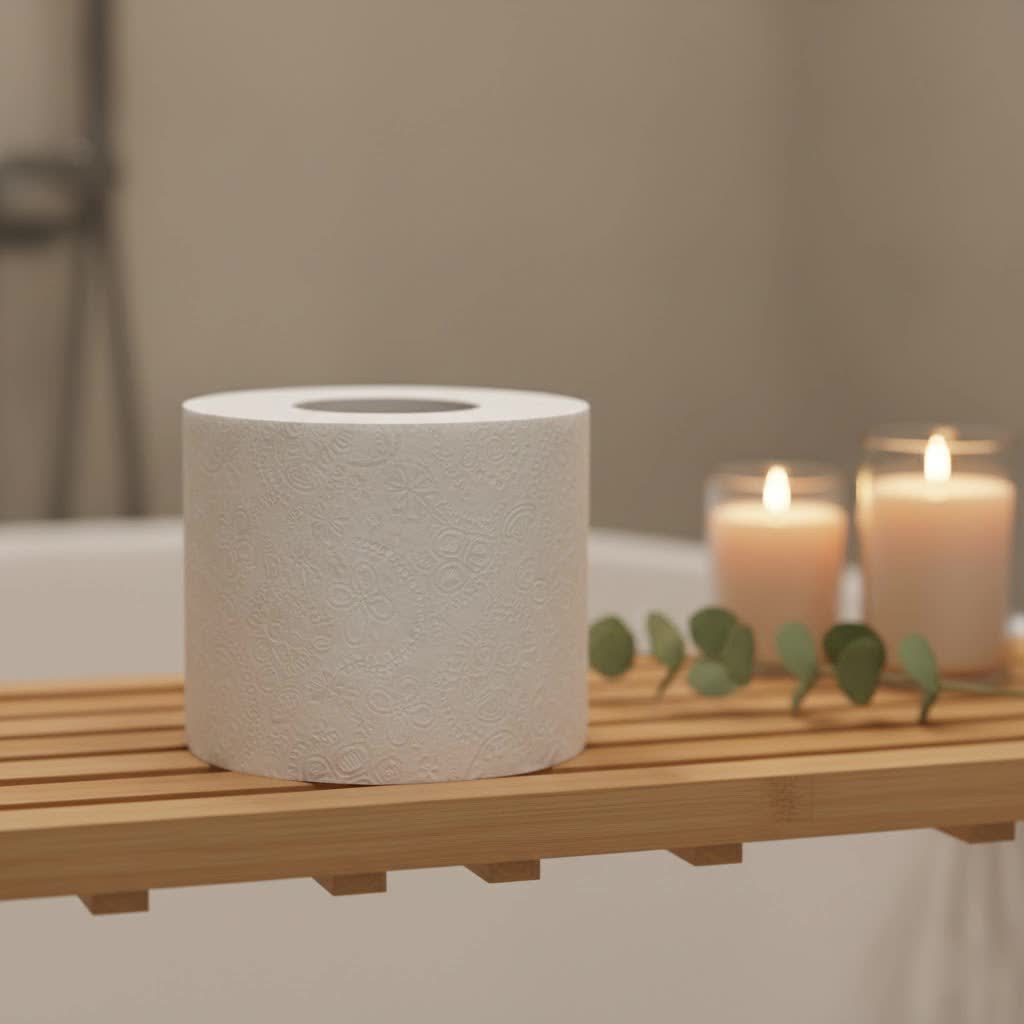
Navigating the world of toilet paper can be surprisingly complex, especially when considering options beyond the standard household roll. For facility managers, business owners, or even large families, the “big toilet paper roll” has emerged as a game-changer. These larger-than-average rolls, often called jumbo or commercial rolls, offer significant advantages in terms of efficiency, cost-effectiveness, and reduced maintenance. But with so many types and features available, how do you choose the one that best fits your needs? This comprehensive guide will delve into everything you need to know about big toilet paper rolls, helping you make an informed decision for superior hygiene and operational savings.
Big Toilet Paper Rolls: An Overview of the Market
Big toilet paper rolls are specifically designed for extended use, holding substantially more paper than conventional rolls. While standard rolls typically contain 200-300 sheets, big rolls can range from 400 sheets (often called “mega rolls” for home use) to over 2,000 sheets for true “jumbo” or “commercial” rolls. This increased capacity drastically reduces the frequency of roll changes, making them an ideal solution for high-traffic environments. For explore our toilet paper reviews on this site.
Historically, toilet paper has evolved from simple paper products to the sophisticated, multi-ply, and often eco-friendly options we see today. Big rolls represent a further innovation, catering primarily to the commercial sector, including offices, schools, hospitals, airports, restaurants, and other public facilities. However, their benefits are increasingly being recognized by large households looking to minimize restocking efforts. Key players in this market include renowned brands like Scott, Charmin, Georgia-Pacific, Tork, and Cottonelle, each offering various big roll solutions.
Essential Criteria for Choosing Big Toilet Paper Rolls
Selecting the right big toilet paper roll involves more than just picking the largest option. Several critical factors influence performance, user satisfaction, and overall value.
Material & Sustainability
The material composition of toilet paper impacts its quality and environmental footprint.
- Recycled vs. Virgin Pulp: Recycled toilet paper is made from post-consumer waste, offering an eco-friendlier alternative by reducing landfill waste and deforestation. While historically perceived as less soft, modern recycled options have significantly improved in quality. Virgin pulp, derived directly from trees, often yields softer and stronger paper.
- Bamboo: An increasingly popular sustainable option, bamboo toilet paper is biodegradable, strong, and naturally soft. It’s a fast-growing plant, making it a highly renewable resource.
- Certifications: Look for certifications like FSC (Forest Stewardship Council) for sustainably sourced virgin pulp, or Green Seal for recycled products, indicating environmental responsibility.
Ply, Softness, and Absorbency
|
Our Picks for the Best Toilet Paper in 2026
As an Amazon Associate I earn from qualifying purchases.
|
||
| Num | Product | Action |
|---|---|---|
| 1 | Eco Comfort Pack Bamboo Toilet Paper – 350 Sheets per Roll, 3-Ply Soft & Strong, Plastic-Free Packaging, Septic Safe, Eco Friendly (PREMIUM WHITE, 12 Rolls) |

|
| 2 | Scott Professional 100% Recycled Fiber Standard Roll Bulk Toilet Paper (13217), 2-Ply, Elevated Design, White, Individually Wrapped (80 Rolls of 473 Sheets, 37,840 Sheet Total) |
|
| 3 | Scott ComfortPlus Toilet Paper, 12 Double Rolls, 231 Sheets per Roll, Septic-Safe, 1-Ply Toilet Tissue |
|
| 4 | Amazon Basics FSC-Certified 2-Ply Septic-Safe Toilet Paper, Soft, 350 Sheets per Roll, 30 Rolls = 185 Regular Rolls |
|
| 5 | Happy Valentines Day Decorations Gifts for Him Her Girls Women Teens, 3 Ply 150 Sheet Funny Toilet Paper Roll, Red Love Heart Tissue Paper, Friends Bathroom Toilet Themed Party Decorations Favors |
|
| 6 | Angel Soft Toilet Paper, 18 Mega Rolls = 72 Regular Rolls, Soft and Strong Toilet Tissue |
|
| 7 | Charmin Ultra Soft Cushiony Touch Toilet Paper, 24 Family Mega = 123 Regular Rolls, White |
|
| 8 | Amazon Basics FSC-Certified 2-Ply Septic-Safe Toilet Paper, Soft, 350 Sheets per Roll, 6 Rolls = 37 Regular Rolls |
|
| 9 | Quilted Northern Ultra Plush Toilet Paper, 24 Mega Rolls = 96 Regular Rolls, 3X Thicker*, 3 Ply Soft Toilet Tissue |
|
| 10 | Amazon Basics Soft and Strong 2-Ply Toilet Paper, 6 Ultra Rolls = 24 Regular Rolls, Unscented, 340 Sheet (6 Rolls) |
|
The number of layers (ply) directly affects softness, strength, and absorbency.
- 1-Ply: Thinner and more economical, 1-ply is common in very high-traffic commercial settings where cost and clog prevention are paramount. It dissolves quickly, making it suitable for older plumbing or septic systems.
- 2-Ply: The most common option, offering a good balance of softness, strength, and absorbency for comfortable and effective cleaning. It’s versatile for both commercial and residential use.
- 3-Ply: Provides premium softness and absorbency, delivering a more luxurious feel. While offering maximum comfort, it tends to be less cost-effective and may dissolve slower, potentially posing a higher risk for plumbing issues if used excessively.
When checking for softness, “consumers often judge by simply feeling the tissue,” noting that the quality has improved significantly over the years across all types.
Durability & Dissolvability
A good balance between durability (to prevent tearing during use) and dissolvability (to prevent plumbing clogs) is crucial.
- Strength: Good big rolls should be durable enough to handle use without shredding. Factors like ply and fiber length contribute to tear resistance.
- Dissolvability: This is especially vital for plumbing health, particularly in facilities with older pipes or septic systems. Rapidly dissolving toilet paper prevents blockages. Most manufacturers design commercial-grade paper to break down efficiently in water.
Size & Capacity
Big toilet paper rolls come in various sizes, often requiring specific dispensers.
- Big Roll: Typically 4-5 inches in diameter with 400-500 sheets, these are often “mega rolls” for household bulk buying.
- Large Roll: Exceeds 5 inches in diameter, up to 1000 sheets.
- Jumbo Roll: Can be as large as 9 inches in diameter, containing over 2,000 sheets. These require specialized jumbo roll dispensers, which are often wall-mounted.
- Core vs. Coreless: Coreless options eliminate the cardboard tube, reducing waste and providing more paper per roll. They also require specific dispensers.
Cost-Effectiveness
While the initial purchase price of a big roll package might seem higher, the true cost-effectiveness lies in the long-term savings.
- Reduced Replacements: Fewer roll changes mean less labor cost for maintenance staff.
- Bulk Savings: Purchasing in larger quantities often results in a lower cost per sheet.
- Less Waste: Jumbo rolls typically use less packaging material per sheet compared to standard rolls.
Big Rolls vs. Standard Rolls: A Comparative Look
Choosing between big and standard toilet paper rolls largely depends on the environment and priorities. Here’s a comparative overview:
| Feature | Standard Toilet Paper Rolls | Big Toilet Paper Rolls (Jumbo/Commercial) |
|---|---|---|
| Size/Capacity | Smaller, 200-300 sheets per roll | Larger, 400 to over 2000 sheets per roll |
| Usage | Primarily residential, low-traffic areas | Commercial, high-traffic public restrooms, large households |
| Replacements | Frequent changes needed | Infrequent changes, extended usage time |
| Maintenance | Higher labor for restocking | Significantly reduced maintenance effort |
| Cost | Higher cost per sheet (generally) | Lower cost per sheet (bulk savings), reduces labor costs |
| Dispensers | Fits standard home dispensers | Requires specialized jumbo or commercial dispensers |
| Storage | Less storage space required | More storage space needed for bulk quantities |
| Environmental | More packaging per sheet, more deliveries per volume | Less packaging per meter, fewer deliveries, often eco-friendly options |
“For businesses with heavy foot traffic, jumbo rolls translate directly into significant savings on maintenance and increased customer satisfaction due to never running out.” – Expert Analyst, Facility Management Today
A Guide to Purchasing the Right Big Toilet Paper Roll
Making the best purchase involves a systematic approach to match products with your specific requirements.
Identifying Your Needs
Before buying, clarify your priorities:
- Usage Environment: Is it for a busy commercial facility (e.g., airport, school, office) where high capacity and low maintenance are crucial, or a large household where convenience and value are key?
- Traffic Volume: The higher the traffic, the larger the roll capacity you’ll need.
- Budget: Determine if you prioritize initial low cost or long-term savings from reduced maintenance and bulk pricing.
- Environmental Goals: If sustainability is a priority, focus on recycled content, bamboo, and certifications.
- Plumbing System: Consider 1-ply or quick-dissolving options for older pipes or septic systems.
Reading Product Information
Always scrutinize product details carefully. Look for:
- Ply and Sheet Count: These directly indicate the amount and general quality of paper.
- Material: Verify if it’s recycled, virgin, or bamboo.
- Septic Safe/Rapid Dissolving: Essential for preventing clogs.
- Dispenser Compatibility: Ensure the roll diameter and core size will fit your existing or planned dispensers.
- User Reviews: Gather insights from other users, especially for real-world performance on softness and strength.
Where to Buy
Big toilet paper rolls are typically purchased in bulk from commercial suppliers or large retailers.
- Commercial Distributors: Companies specializing in janitorial and facility supplies offer a wide range of jumbo rolls and compatible dispensers.
- Wholesale Clubs: Stores like Sam’s Club often carry “mega” or “jumbo” roll options suitable for large households or small businesses.
- Online Retailers: E-commerce platforms such as Amazon, Walmart Business, and WebstaurantStore provide extensive selections, often with detailed specifications and customer reviews.
When buying in large quantities, consider shipping costs and storage capacity.
Top-Rated Big Toilet Paper Rolls on the Market (with Detailed Reviews)
Based on their balance of quality, value, and performance in high-traffic settings, several brands consistently receive high marks for their big toilet paper rolls.
- Scott Essential Jumbo Roll: A favorite in commercial settings, known for its reliability and large size. Often 1-ply or 2-ply, designed for high capacity and efficient breakdown. Excellent for schools and offices.
- Georgia-Pacific Professional Jumbo Jr. Roll: Offers high-quality options perfect for businesses seeking to reduce maintenance frequency. Often comes in 2-ply, balancing strength and softness.
- Charmin Ultra Soft Big Roll/Mega Roll: While often marketed for home use, its larger size provides extended use. Known for superior softness and durability, making it a premium choice for environments where comfort is prioritized.
- Tork Advanced Mini Jumbo Roll: A strong performer in the commercial space, Tork offers various ply options with a focus on hygiene and efficiency. Their rolls are designed for specific Tork dispensers that minimize waste.
- Sustainable Earth Jumbo Roll: For environmentally conscious buyers, brands like Sustainable Earth offer jumbo rolls made from recycled materials, providing an eco-friendly choice without compromising performance.
Each of these offers specific advantages, catering to different needs from ultimate softness to maximum cost-efficiency and environmental responsibility.
Smart Usage and Storage Tips for Big Toilet Paper Rolls
Optimizing the use and storage of big toilet paper rolls can further enhance their benefits.
- Proper Dispenser Use: Always use big rolls with their compatible jumbo dispensers. These dispensers are designed to secure the large rolls, prevent excessive unraveling, and protect the paper from moisture and contamination.
- Strategic Placement: In high-traffic restrooms, ensure dispensers are easily accessible and visibly stocked to maintain user satisfaction. Consider multi-roll dispensers for even longer intervals between servicing.
- Storage Requirements: Due to their size, bulk packages of big rolls require adequate, dry storage space. Store them in a cool, dry area away from direct sunlight and moisture to prevent degradation or mold growth.
- Core Management: If using rolls with cores, establish a system for collecting and recycling them. For coreless rolls, simply dispose of the plastic spindle (if applicable) according to local recycling guidelines.
- Septic System Awareness: Even with “septic-safe” labels, excessive use of thicker 2-ply or 3-ply paper can strain older septic systems. Educate users on appropriate usage, particularly in residential settings.
Conclusion
Choosing the right big toilet paper roll is a strategic decision that can significantly impact efficiency, cost savings, and user experience in any high-traffic environment. By understanding the various types, material options, and key selection criteria—from ply and absorbency to sustainability and dispenser compatibility—you can confidently navigate the market. Investing in quality big rolls not only reduces maintenance efforts and saves money in the long run but also contributes to a more hygienic and positive experience for everyone.
Have you considered how a switch to big toilet paper rolls could transform your facility’s operational efficiency and environmental footprint?
Frequently Asked Questions
What’s the main benefit of using a big toilet paper roll?
The main benefit is extended usage time, meaning fewer roll changes and reduced labor costs for maintenance. This makes them highly efficient for high-traffic public restrooms and commercial facilities.
Are big toilet paper rolls more eco-friendly?
Often, yes. Big rolls generally use less packaging material per sheet of paper compared to standard rolls, and fewer deliveries are needed. Many brands also offer options made from recycled materials or sustainable bamboo.
Do big toilet paper rolls fit in regular home dispensers?
No, big toilet paper rolls, especially jumbo or commercial sizes, typically require specialized large-capacity dispensers. These are often wall-mounted and designed to accommodate the larger diameter and width of the rolls.
How do I know if a big toilet paper roll is septic-safe?
Look for explicit “septic-safe” or “rapidly dissolving” labels on the product packaging. These indicate that the paper is designed to break down quickly in water, minimizing the risk of plumbing clogs and ensuring compatibility with septic systems.
Can I use big toilet paper rolls at home?
While large “mega rolls” (often considered big rolls) are popular for home use to reduce restocking, true “jumbo” or commercial rolls are typically too large for standard home dispensers. They are best suited for large households willing to install a compatible jumbo dispenser.
Get our weekly buyer guide
Practical specs, not advice. Unsubscribe anytime.
