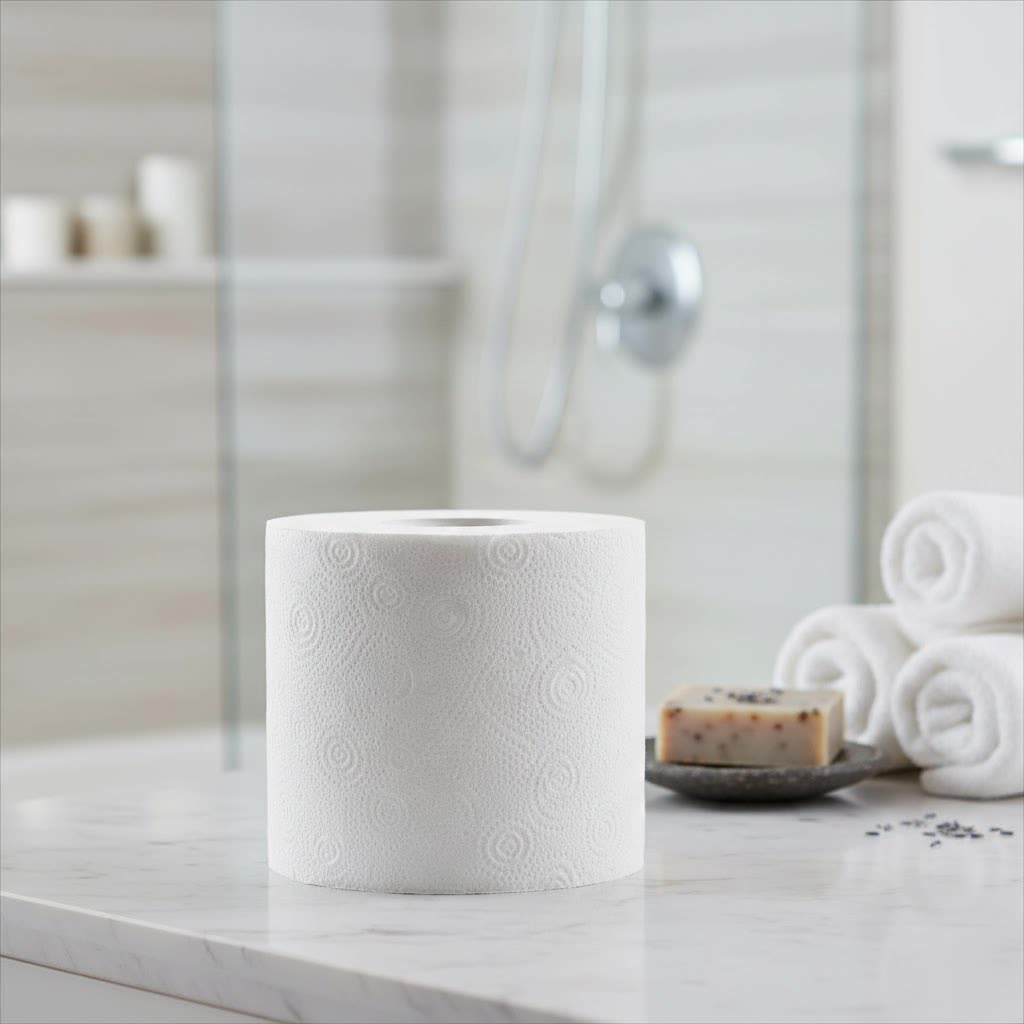
Selecting the right commercial toilet paper for your business goes far beyond simply stocking restrooms; it’s a strategic decision impacting guest satisfaction, operational efficiency, and your bottom line. With an array of options available, from basic single-ply to luxurious multi-ply and eco-friendly alternatives, understanding the nuances of commercial toilet paper is crucial. This comprehensive guide will equip you with the knowledge to make informed choices, ensuring your facility provides comfort, hygiene, and cost-effectiveness.
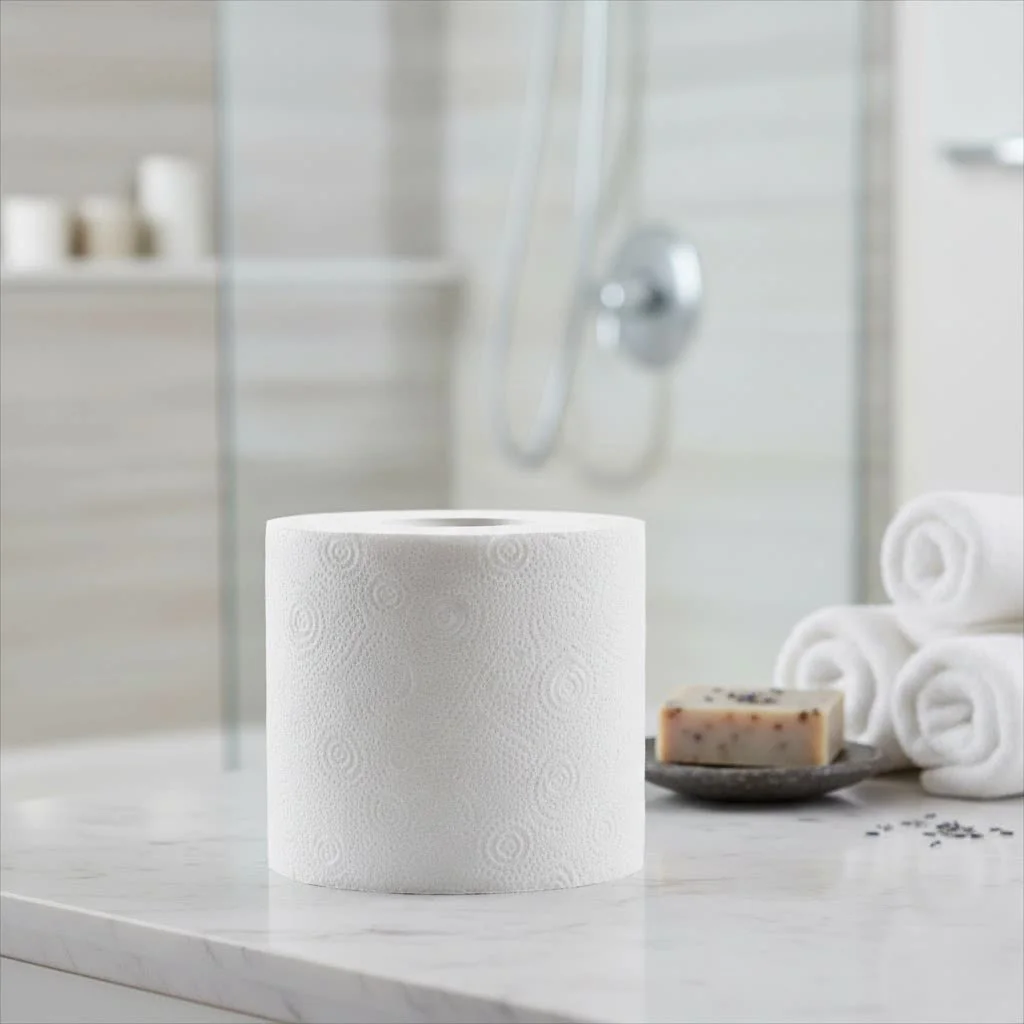
What is Commercial Toilet Paper? An Industry Overview
Commercial toilet paper is specifically designed for institutional and business use, differing significantly from the rolls found in residential homes. Its primary purpose is to meet the demands of high-traffic environments, offering enhanced durability, larger roll sizes, and compatibility with specialized dispensing systems. This specialized bathroom tissue has evolved from basic, coarse paper to a range of products that balance strength, softness, and environmental responsibility, reflecting modern consumer expectations and business priorities. For more toilet paper guides on this site.
Common types of commercial toilet paper available today include:
- Standard Rolls: These are similar in size to residential rolls but are often sold in bulk for business convenience. They fit traditional dispensers and are suitable for lower-traffic areas.
- Jumbo Rolls (JRT – Jumbo Roll Tissue): Significantly larger than standard rolls, jumbo rolls are designed for high-traffic restrooms to reduce the frequency of refills and maintenance labor. They require specific jumbo roll dispensers.
- Mini Jumbo Rolls: A more compact version of jumbo rolls, offering increased capacity over standard rolls but fitting into smaller, still specialized, dispensers.
- Coreless Rolls: These rolls eliminate the cardboard core, maximizing usable paper and reducing waste. They also require compatible coreless dispensing systems.
- Interleaved or Center-Pull Sheets: Often found in high-hygiene environments, these dispense one sheet at a time, aiming to reduce waste and improve sanitation.
The key distinction from residential toilet paper lies in its focus on capacity, durability, and bulk purchasing, which translates to cost savings and reduced maintenance for businesses.
Essential Criteria for Selecting Commercial Toilet Paper
Choosing the optimal commercial toilet paper involves weighing several critical factors to align with your business’s specific needs, budget, and brand image.
Material & Sustainability
The material composition of toilet paper significantly influences its performance and environmental footprint.
- Virgin Pulp: Derived directly from trees, virgin pulp typically offers the highest levels of softness, strength, and a consistent white appearance. It is often preferred in premium settings where comfort is paramount.
- Recycled Paper: Made from post-consumer waste, recycled toilet paper is an environmentally responsible choice, reducing demand for virgin timber and landfill waste. Modern recycled options have vastly improved in softness and strength, often processed without chlorine.
- Bamboo Fiber: Emerging as a highly sustainable alternative, bamboo toilet paper is made from fast-growing bamboo plants. It is naturally strong, often soft, and biodegradable.
Many manufacturers prioritize sustainable wood sources and offer products with certifications like FSC (Forest Stewardship Council) or Green Seal, indicating environmentally sound production.
Softness & Absorbency
|
Our Picks for the Best Toilet Paper in 2026
As an Amazon Associate I earn from qualifying purchases.
|
||
| Num | Product | Action |
|---|---|---|
| 1 | Amazon Basics FSC-Certified 2-Ply Septic-Safe Toilet Paper, Soft, 350 Sheets per Roll, 30 Rolls = 185 Regular Rolls |

|
| 2 | Quilted Northern Ultra Plush Toilet Paper, 24 Mega Rolls = 96 Regular Rolls, 3X Thicker*, 3 Ply Soft Toilet Tissue |
|
| 3 | Scott ComfortPlus Toilet Paper, 12 Double Rolls, 231 Sheets per Roll, Septic-Safe, 1-Ply Toilet Tissue |
|
| 4 | Amazon Basics FSC-Certified 2-Ply Septic-Safe Toilet Paper, Soft, 350 Sheets per Roll, 6 Rolls = 37 Regular Rolls |
|
| 5 | Eco Comfort Pack Bamboo Toilet Paper – 350 Sheets per Roll, 3-Ply Soft & Strong, Plastic-Free Packaging, Septic Safe, Eco Friendly (PREMIUM WHITE, 12 Rolls) |
|
| 6 | Scott Professional 100% Recycled Fiber Standard Roll Bulk Toilet Paper (13217), 2-Ply, Elevated Design, White, Individually Wrapped (80 Rolls of 473 Sheets, 37,840 Sheet Total) |
|
| 7 | Charmin Ultra Soft Cushiony Touch Toilet Paper, 24 Family Mega = 123 Regular Rolls, White |
|
| 8 | Angel Soft Toilet Paper, 18 Mega Rolls = 72 Regular Rolls, Soft and Strong Toilet Tissue |
|
| 9 | Amazon Basics Soft and Strong 2-Ply Toilet Paper, 6 Ultra Rolls = 24 Regular Rolls, Unscented, 340 Sheet (6 Rolls) |
|
| 10 | Happy Valentines Day Decorations Gifts for Him Her Girls Women Teens, 3 Ply 150 Sheet Funny Toilet Paper Roll, Red Love Heart Tissue Paper, Friends Bathroom Toilet Themed Party Decorations Favors |
|
The user experience in a restroom is greatly influenced by the feel and effectiveness of the toilet paper.
- Softness: A soft, gentle toilet paper enhances comfort for patrons and employees, contributing to a more positive restroom experience.
- Absorbency: Good absorbency means users need fewer sheets per visit, which can lead to reduced consumption and cost savings over time.
- Ply Count: This refers to the number of layers in each sheet.
- 1-ply: Thinner and more economical, often suitable for high-volume restrooms where cost-effectiveness is a top priority.
- 2-ply: A balanced option, offering a good combination of comfort, absorbency, and durability, making it a common choice for many businesses.
- 3-ply: The most luxurious and thickest option, providing superior softness and strength, typically used in upscale facilities.
Strength & Durability
In commercial environments, toilet paper must withstand frequent use without tearing prematurely or leaving excessive lint. Higher strength and durability ensure a more efficient and less frustrating experience for users. Factors affecting a roll’s tear resistance include the quality of the fibers, the ply count, and manufacturing processes like embossing or quilting, which bind layers and add texture. A stronger paper often means less is used per person, extending the life of each roll.
Roll Size & Capacity
The size and capacity of toilet paper rolls are critical for managing restroom maintenance and inventory.
- Standard rolls: Best for smaller offices or restrooms with low to moderate traffic, as they require more frequent replacement.
- Jumbo and Mini Jumbo rolls: Ideal for high-traffic areas like large offices, retail spaces, and public facilities, significantly reducing the frequency of restocking and saving labor time.
- Coreless rolls: Maximize usable paper, making them a space-efficient and waste-reducing option.
Matching the roll size to your facility’s traffic volume and maintenance schedule is key to optimizing efficiency.
Dispenser Compatibility
A crucial, yet often overlooked, factor is ensuring your chosen toilet paper is compatible with your restroom’s dispensing systems. Jumbo and coreless rolls typically require specialized dispensers designed to hold their larger size or unique coreless format. Using incompatible paper can lead to dispensing issues, waste, and user frustration. Many commercial toilet paper brands offer proprietary dispensing systems that work exclusively with their specific roll types, ensuring optimal performance and often reducing pilferage.
Cost-Effectiveness & Bulk Buying
While quality is paramount, managing costs is vital for any business.
- Calculating Cost Per Sheet: The true cost-effectiveness of toilet paper should be calculated per sheet, not just per roll or package. Brands may alter sheet counts while keeping prices stable, creating hidden cost increases.
- Bulk Purchasing: Buying in wholesale quantities is almost always more economical for businesses. It reduces the unit cost, ensures a consistent supply, and minimizes administrative work associated with frequent reordering and deliveries.
A higher-quality toilet paper, though more expensive upfront, can lead to long-term savings by reducing usage and waste.
Septic Safety
For businesses operating with a septic system, selecting toilet paper that breaks down quickly and easily is essential to prevent costly plumbing issues and clogs. Products labeled “septic-safe” are formulated to dissolve rapidly in water, ensuring the health of your plumbing infrastructure. This characteristic, often referred to as “dissolvability,” is a critical consideration for older buildings or facilities not connected to municipal sewer systems.
Comparing Common Commercial Toilet Paper Formats
Different commercial toilet paper formats offer distinct advantages and disadvantages, making them suitable for various business environments.
| Format | Pros | Cons | Ideal For |
|---|---|---|---|
| Standard Roll | Familiar to users, fits traditional dispensers, easy to replace. | Requires frequent restocking, less cost-effective in high-traffic. | Small offices, low-traffic restrooms. |
| Jumbo Roll | High capacity reduces restocking, saves labor time. | Requires specialized dispensers, needs more storage space. | High-traffic restrooms (e.g., large offices, retail, schools). |
| Coreless Roll | Maximizes paper, reduces waste (no cardboard core), space-saving. | Requires specialized dispensers, may not be as soft as premium options. | Environmentally conscious businesses, high-traffic with limited storage. |
| Interleaved/Center-Pull Sheets | Hygienic (one-at-a-time dispensing), reduces waste. | Requires specific dispensers, can feel less substantial. | Healthcare facilities, food service, high-hygiene environments. |
How to Choose the Right Commercial Toilet Paper for Your Business Needs
Navigating the options requires a systematic approach to ensure you pick the best fit for your unique operations.
Assessing Your Facility’s Requirements
Begin by understanding the specific demands of your restrooms.
- Traffic Volume: Facilities with high footfall (e.g., restaurants, airports, large offices) will benefit from high-capacity options like jumbo or coreless rolls to minimize maintenance. Low-traffic environments (e.g., small clinics, executive offices) might prioritize softness with standard or premium rolls.
- User Expectations: Consider your clientele or employees. A luxury hotel may prioritize plush, multi-ply paper, while a manufacturing plant might focus on durability and cost-effectiveness.
- Storage Space: Bulk orders for high-capacity rolls can save money but require adequate storage. Evaluate your available space before committing to large quantities.
Evaluating Product Information
Don’t just look at the price tag. Dive into the product specifications to understand the true value.
- Ply, Sheet Count, and Total Footage: Always compare the cost per sheet or the total square footage to get an accurate cost comparison between brands. A higher sheet count doesn’t always mean better value if the sheets are smaller or thinner.
- Certifications: Look for certifications like FSC, Green Seal, or B Corp for eco-friendly claims. Septic-safe labels are crucial for businesses with septic systems.
Where to Purchase
The source of your commercial toilet paper also impacts cost and convenience.
- Wholesale Suppliers: These offer the best prices for bulk quantities and often provide dedicated account management.
- Online Retailers: Offer a wide selection and competitive pricing, with the convenience of direct delivery.
- Janitorial Supply Companies: Can provide a full suite of restroom supplies, often with expert advice.
Purchasing in bulk from a reliable supplier offers significant advantages, including consistent supply, lower unit costs, and reduced administrative overhead.
Top Considerations for Sustainable Commercial Toilet Paper
For businesses committed to environmental responsibility, opting for sustainable commercial toilet paper is an impactful choice.
Recycled content toilet paper, made from post-consumer waste, is a popular eco-friendly option that helps reduce deforestation and landfill burden. Brands offering 100% recycled content often process their paper without chlorine, further minimizing environmental impact.
Bamboo toilet paper presents another rapidly renewable alternative. Bamboo grows much faster than trees and requires less water, making it a highly sustainable fiber source. Modern bamboo tissues have improved significantly in softness and strength, rivaling traditional options.
Reducing waste can also be achieved through product design. Coreless rolls eliminate the cardboard tube, meaning the entire roll is usable product and there’s no core waste. Additionally, high-capacity and controlled dispensing systems encourage responsible usage, limiting the amount of paper dispensed at one time and reducing overall consumption. Look for products with certifications like Green Seal or FSC to verify environmental claims and choose brands that utilize recyclable or compostable packaging to minimize your carbon footprint.
Tips for Efficient Use and Storage of Commercial Toilet Paper
Maximizing the lifespan and effectiveness of your commercial toilet paper supply involves smart usage and proper storage.
Correct dispenser installation and regular maintenance are essential for smooth operation. Ensure dispensers are easy to access and refill, preventing users from pulling excessive amounts of paper or encountering empty rolls. Controlled dispensers, which limit the sheets released per pull, can significantly reduce waste and consumption in high-traffic areas.
For storage, always keep commercial toilet paper in a clean, cool, and dry environment. High humidity can damage the paper, affecting its texture and strength, while damp conditions can lead to mold or mildew. Storing rolls in their original packaging, away from direct sunlight and pests, will maintain their quality and hygiene until needed. Regularly rotating stock can also help ensure freshness and prevent older inventory from accumulating.
Conclusion
Choosing the right commercial toilet paper is a decision that affects both your budget and the user experience in your facility. By carefully considering factors like material, ply, roll size, dispenser compatibility, and sustainability, businesses can make informed choices that deliver comfort, efficiency, and environmental responsibility. Bulk purchasing from reputable suppliers can unlock significant cost savings and ensure a consistent, high-quality supply. Ultimately, investing in the right toilet paper reflects your commitment to hygiene, guest satisfaction, and a well-managed operation.
What aspect of commercial toilet paper selection do you find most challenging for your business?
Frequently Asked Questions
What’s the main difference between commercial and residential toilet paper?
Commercial toilet paper is designed for high-traffic public restrooms, typically featuring larger roll sizes, greater durability, and compatibility with specialized dispensers to reduce maintenance and enhance cost-effectiveness. Residential toilet paper, conversely, prioritizes softness and fits standard home dispensers.
How can I calculate how much commercial toilet paper my business needs?
Estimate your facility’s daily traffic, average usage per person, and the number of sheets per roll. Factor in the number of restrooms and scheduled restocking intervals. Many suppliers can also provide usage calculators or consult with you to determine optimal order quantities.
Are eco-friendly commercial toilet papers truly cost-effective?
Yes, modern eco-friendly options, particularly those made from recycled or bamboo fibers, have become increasingly competitive in price and performance. While some may have a slightly higher upfront cost, benefits like reduced environmental impact and positive brand perception can justify the investment, alongside potential long-term savings from efficient usage.
What does “ply” mean in commercial toilet paper?
“Ply” refers to the number of layers in each sheet of toilet paper. Single-ply is a single layer, offering economy, while two-ply and three-ply options provide increasing levels of thickness, softness, and strength, impacting both comfort and absorbency.
Can I use residential toilet paper in a commercial setting?
While possible in very low-traffic, small office settings, residential toilet paper is generally not recommended for commercial use. Its smaller roll size leads to frequent restocking, and it’s less durable or cost-effective in bulk than commercial-grade options designed for higher demand.
What should I look for to avoid plumbing issues with commercial toilet paper?
Prioritize commercial toilet paper explicitly labeled “septic-safe” or “rapidly dissolving.” These products are engineered to break down quickly in water, significantly reducing the risk of clogs and plumbing maintenance issues, especially important for older plumbing systems.
Get our weekly buyer guide
Practical specs, not advice. Unsubscribe anytime.
