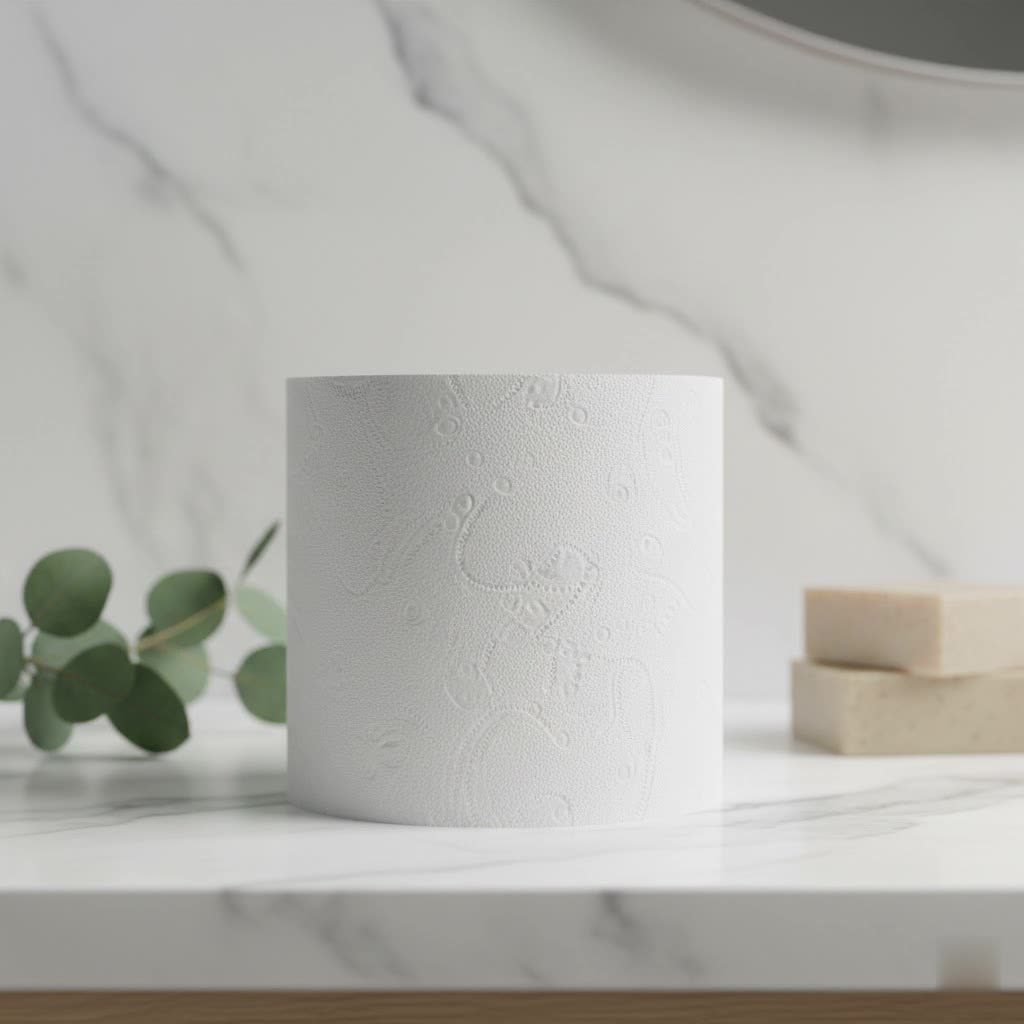
Have you ever paused to consider the humble toilet paper roll in your bathroom? Often overlooked, the choice of toilet paper can significantly impact your budget, plumbing, and even the environment. One-ply toilet paper, with its single-layer construction, is increasingly recognized not just as a budget-friendly option but also for its unique benefits. This comprehensive guide will explore everything you need to know about one-ply toilet paper, helping you determine if it’s the right choice for your home, office, or specific needs.
One-Ply Toilet Paper: A Comprehensive Guide from A to Z
What is One-Ply Toilet Paper? An Overview of the Market
One-ply toilet paper refers to tissue designed with a single layer of paper per sheet. Historically, toilet paper has evolved from rudimentary solutions to a diverse market offering various plies, textures, and materials. While multi-ply options often dominate household shelves, one-ply maintains a significant presence, particularly in commercial settings and for consumers prioritizing efficiency and plumbing health. This type of toilet paper is a foundational product in an industry that constantly innovates, from basic single-layer designs to advanced, environmentally conscious options. For more toilet paper guides on this site.
The toilet paper market today is segmented by the number of layers—one-ply, two-ply, and three-ply—each catering to different consumer priorities. Wet wipes also serve a related purpose, offering a different cleaning experience. Globally, numerous brands compete, with some specializing in or offering robust one-ply options that balance cost with critical performance features.
Crucial Criteria When Choosing One-Ply Toilet Paper
Selecting the right toilet paper, especially one-ply, goes beyond simply grabbing the cheapest pack. Several factors play a crucial role in determining its overall value and suitability.
Material
The raw material used in toilet paper production significantly impacts its quality, environmental footprint, and even safety.
- Recycled vs. Virgin Pulp: Toilet paper made from 100% recycled materials offers a more environmentally friendly option by reducing deforestation and waste sent to landfills. Virgin pulp, derived directly from trees, often results in softer paper but at a higher ecological cost.
- Pulp Types and Quality: The type of wood pulp (e.g., softwood for strength, hardwood for softness) and the processing methods influence the paper’s texture and durability. High-quality pulp, even in a single layer, can enhance the user experience.
- Health Certifications: Look for certifications that guarantee the product is free from harmful chemicals like chlorine bleaches and fragrances, which can cause skin irritation. Products that are elemental chlorine-free (ECF) or totally chlorine-free (TCF) are better for both health and the environment.
Softness and Absorbency
These are often the primary concerns for consumers, and one-ply toilet paper traditionally faces skepticism in these areas.
- Checking Softness: While 1-ply is inherently thinner, modern manufacturing techniques can improve its texture. Some brands use embossing or unique fiber treatments to enhance perceived softness, although it will rarely match the plushness of multi-ply alternatives.
- Impact of Absorbency: A common misconception is that 1-ply is not absorbent. While it may require more sheets per use compared to a thicker roll, its absorbency per sheet can be quite effective. The key is to manage usage, as overcompensating by using excessive amounts can negate its cost-saving benefits.
- Comparison: Multi-ply papers typically offer superior softness and absorbency due to their multiple layers. One-ply, however, prioritizes a different set of benefits, often trading ultimate comfort for other advantages.
Strength and Tear Resistance
The durability of toilet paper impacts both effectiveness and usage.
- Why Strength Matters: A stronger sheet means less tearing during use, leading to a more efficient clean and potentially less paper used overall. It also reduces the frustration of a flimsy product.
- Checking Strength: Although not as robust as multi-ply, good quality 1-ply should still hold together during typical use. Factors like fiber length and bonding agents contribute to its tensile strength.
- Factors Affecting Strength: The quality of the paper fibers and the manufacturing process are critical. Even a single layer can be surprisingly strong if engineered correctly.
Size and Quantity
Understanding roll dimensions and sheet count is vital for evaluating true value.
- Common Roll Sizes: One-ply toilet paper often comes in larger rolls with more sheets, such as Scott 1000, designed to last longer and reduce the frequency of roll changes.
- Cost Calculation: To genuinely compare costs, calculate the price per sheet or per 100 sheets, rather than just the price per roll. This metric reveals the actual economic advantage of larger 1-ply rolls.
- Choosing the Right Size: Larger rolls are ideal for high-traffic environments or large families seeking fewer replacements. Smaller rolls might be preferred for limited storage spaces or occasional use.
Price
One of the most significant advantages of one-ply toilet paper is its cost-effectiveness.
- Price Segments: One-ply is generally positioned in the budget-friendly segment of the market, making it an attractive choice for cost-conscious consumers and institutions.
- Comparison: It is almost always cheaper per sheet than 2-ply or 3-ply options. While the initial perceived comfort might be less, the long-term savings can be substantial.
- Tips for Best Value: Buying in bulk from warehouses or online retailers often provides the best unit price for one-ply toilet paper.
Comparing Popular Toilet Paper Types
Choosing between one-ply, two-ply, and three-ply toilet paper involves weighing different priorities. Here’s a detailed comparison to highlight their key differences:
| Feature | 1-Ply Toilet Paper | 2-Ply Toilet Paper | 3-Ply Toilet Paper |
|---|---|---|---|
| Layers | Single | Double | Triple |
| Softness | Lower, functional | Medium-High, good comfort | High, luxurious, plush |
| Absorbency | Lower per sheet, can require more usage | Medium-High, efficient | High, very efficient |
| Strength | Lower, prone to tearing if low quality | Medium-High, durable | High, very strong |
| Plumbing Safety | Excellent, dissolves fastest, ideal for septic/RVs | Good, balances breakdown speed and strength | Lower, slower to dissolve, higher clog risk |
| Cost-Effectiveness | High, most economical per sheet | Medium, good value for comfort/strength | Low, premium pricing |
| Environmental Impact | Potentially lower (less material, energy) | Medium | Potentially higher (more material, resources) |
| Common Use | Public restrooms, businesses, septic systems, RVs | General households, offices | Luxury homes, hotels, premium settings |
How to Choose the Right One-Ply Toilet Paper for Your Needs
Making an informed decision about one-ply toilet paper involves carefully assessing your specific requirements and priorities.
Determine Usage Needs
Your primary use case will heavily influence the best choice.
- Household, Office, or Restaurant? For busy public restrooms or large offices, one-ply’s cost-effectiveness and plumbing safety are paramount. For home use, personal comfort might weigh more heavily.
- Prioritize Softness, Strength, or Savings? If budget is your absolute top concern, 1-ply is usually the winner. If you have sensitive plumbing, its quick dissolution is a major benefit.
- Special Health Requirements: For individuals with sensitive skin, ensure the 1-ply option is unscented, dye-free, and free from harsh chemicals.
Read Product Information Carefully
The packaging holds crucial details often overlooked by consumers.
- Ingredients and Certifications: Look for mentions of recycled content (post-consumer is best for environmental impact) or FSC (Forest Stewardship Council) certification for sustainably managed forests. Check for “septic-safe” labels if you have a septic system.
- User Reviews: Online reviews can offer practical insights into a product’s real-world performance regarding softness, durability, and dissolving speed, often providing a more candid perspective than manufacturer claims.
- Manufacturer and Distributor Information: Reputable brands often provide transparent information about their sourcing and manufacturing processes, which can be an indicator of product quality and ethical practices.
Where to Buy
Availability and purchasing options can impact cost and convenience.
- Supermarkets, Convenience Stores, and Traditional Markets: These offer readily accessible options, though often at higher unit prices compared to bulk.
- Online Retailers: E-commerce sites like Amazon, Walmart, or specialty eco-friendly stores often provide a wider selection of 1-ply options, including those made from recycled materials, and competitive pricing, especially for bulk purchases.
- Considerations for Bulk Purchases: For significant savings and fewer shopping trips, consider buying large quantities from warehouse clubs (like Costco, which carries Scott 1-ply) or online. Ensure you have adequate storage space.
Top-Rated One-Ply Toilet Papers (with Detailed Reviews)
When it comes to reliable one-ply toilet paper, certain brands consistently stand out for their performance, particularly in terms of plumbing safety and value.
Scott 1000 / Scott Rapid Dissolving Toilet Paper
Scott 1000 is perhaps the most iconic and widely recognized one-ply toilet paper, renowned for its large roll size and exceptional dissolving properties. Scott Rapid Dissolving is a specialized version, often marketed for RVs and boats, but equally beneficial for home septic systems.
- Pros:
- Septic and Plumbing Safe: These products are engineered to break down quickly and efficiently in water, significantly reducing the risk of clogs in older plumbing systems, RVs, marine toilets, and septic tanks. Many plumbers specifically recommend Scott 1000 for its superior dissolvability.
- Economical: With 1000 sheets per roll, it offers excellent value and reduces the frequency of roll changes, making it a cost-effective choice in the long run.
- Durable: Despite being one-ply, Scott 1000 is known for its reasonable strength, preventing excessive tearing during use.
- Sustainably Sourced: Scott often emphasizes its commitment to sourcing pulp from responsibly managed forests, appealing to environmentally conscious consumers.
- Cons:
- Less Soft: Compared to multi-ply options, Scott 1000 is generally less soft and plush, which might be a trade-off for those prioritizing comfort.
- Absorbency: While effective, some users might find themselves using a bit more per wipe due to its single-layer design, although this is often offset by its high sheet count.
While other 1-ply options exist, Scott’s offerings are consistently highlighted for their specific benefits that align perfectly with the advantages of one-ply toilet paper.
Important Tips for Using and Storing One-Ply Toilet Paper
To maximize the benefits of one-ply toilet paper and ensure personal hygiene, proper usage and storage are essential.
- Proper Usage: While 1-ply is designed to be efficient, avoid using excessive amounts in a single flush. Fold rather than wad to optimize cleaning and minimize paper usage, further enhancing its plumbing-friendly attributes. Using a bidet in conjunction with 1-ply can significantly reduce paper consumption while enhancing cleanliness.
- Storage: Store toilet paper in a cool, dry place away from direct sunlight and humidity. This prevents moisture absorption, which can compromise the paper’s integrity and lead to mildew or degradation. Keeping it in its original packaging until ready for use also protects it from dust and environmental contaminants.
- Disposal: One-ply toilet paper’s rapid dissolving nature makes it ideal for most standard plumbing and septic systems. Always ensure toilet paper is the only thing flushed down the toilet to prevent clogs, even with highly dissolvable 1-ply options.
Frequently Asked Questions
Is one-ply toilet paper truly better for plumbing and septic systems?
|
Our Picks for the Best Toilet Paper in 2026
As an Amazon Associate I earn from qualifying purchases.
|
||
| Num | Product | Action |
|---|---|---|
| 1 | Quilted Northern Ultra Plush Toilet Paper, 24 Mega Rolls = 96 Regular Rolls, 3X Thicker*, 3 Ply Soft Toilet Tissue |

|
| 2 | Eco Comfort Pack Bamboo Toilet Paper – 350 Sheets per Roll, 3-Ply Soft & Strong, Plastic-Free Packaging, Septic Safe, Eco Friendly (PREMIUM WHITE, 12 Rolls) |
|
| 3 | Amazon Basics Soft and Strong 2-Ply Toilet Paper, 6 Ultra Rolls = 24 Regular Rolls, Unscented, 340 Sheet (6 Rolls) |
|
| 4 | Charmin Ultra Soft Cushiony Touch Toilet Paper, 24 Family Mega = 123 Regular Rolls, White |
|
| 5 | Scott Professional 100% Recycled Fiber Standard Roll Bulk Toilet Paper (13217), 2-Ply, Elevated Design, White, Individually Wrapped (80 Rolls of 473 Sheets, 37,840 Sheet Total) |
|
| 6 | Amazon Basics FSC-Certified 2-Ply Septic-Safe Toilet Paper, Soft, 350 Sheets per Roll, 30 Rolls = 185 Regular Rolls |
|
| 7 | Scott ComfortPlus Toilet Paper, 12 Double Rolls, 231 Sheets per Roll, Septic-Safe, 1-Ply Toilet Tissue |
|
| 8 | Happy Valentines Day Decorations Gifts for Him Her Girls Women Teens, 3 Ply 150 Sheet Funny Toilet Paper Roll, Red Love Heart Tissue Paper, Friends Bathroom Toilet Themed Party Decorations Favors |
|
| 9 | Angel Soft Toilet Paper, 18 Mega Rolls = 72 Regular Rolls, Soft and Strong Toilet Tissue |
|
| 10 | Amazon Basics FSC-Certified 2-Ply Septic-Safe Toilet Paper, Soft, 350 Sheets per Roll, 6 Rolls = 37 Regular Rolls |
|
Yes, one-ply toilet paper is generally better for plumbing and septic systems because its single-layer construction allows it to break down much faster in water compared to multi-ply options. This significantly reduces the risk of clogs and buildup in pipes and septic tanks, making it an excellent choice for older homes or sensitive systems.
Does one-ply toilet paper mean I’ll use more of it?
While 1-ply toilet paper is thinner, its efficiency in terms of usage can vary. Some users might find themselves using more sheets to achieve desired cleanliness, potentially negating its cost-saving benefit. However, for those conscious of their usage, it can still be a highly economical option, especially when compared to the higher price per roll of multi-ply alternatives.
Is one-ply toilet paper environmentally friendly?
One-ply toilet paper generally has a lower environmental impact during production due to using less raw material and energy per sheet. When choosing 1-ply, opt for options made from 100% recycled content or sustainably sourced virgin pulp (FSC certified) to maximize its eco-friendly benefits, further reducing deforestation and waste.
Can I use one-ply toilet paper in an RV or boat?
Absolutely. One-ply toilet paper is highly recommended for RVs, boats, and other mobile or low-flow waste systems. Its ability to dissolve quickly and easily helps prevent clogs and buildup in the smaller, more delicate plumbing systems often found in these environments, contributing to smoother operation and fewer maintenance issues.
How does the softness of one-ply compare to two-ply toilet paper?
One-ply toilet paper is typically less soft and plush than its two-ply or three-ply counterparts due to its single-layer design. While advancements in manufacturing have improved the texture of some 1-ply brands, it generally prioritizes cost-effectiveness and plumbing safety over a luxurious feel. If extreme softness is a top priority, multi-ply might be a better fit.
Get our weekly buyer guide
Practical specs, not advice. Unsubscribe anytime.
