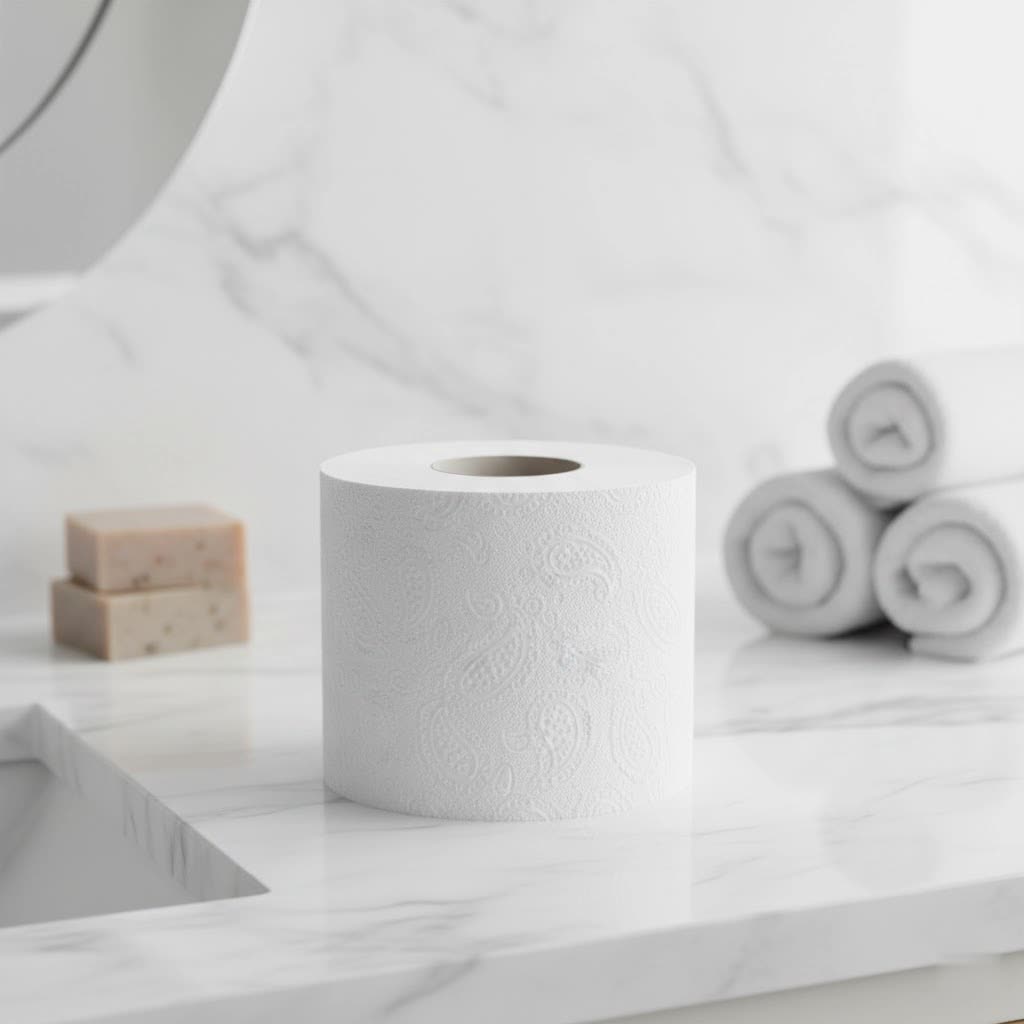
Pink toilet paper, once a popular bathroom accessory from the 1950s to the 1970s, is experiencing a niche resurgence today, driven by nostalgia and modern eco-conscious options. While its popularity declined due to health concerns from unregulated dyes, environmental impact, and changing aesthetics, contemporary brands like Renova now offer pink toilet paper using safer, non-toxic dyes and sustainable production methods, addressing past issues.
Pink Toilet Paper: A Colorful Journey Through History
Pink toilet paper first made its grand entrance into American bathrooms in the 1950s, quickly becoming a popular item through the 1970s. During this period, toilet paper transcended its utilitarian purpose to become an integral part of bathroom aesthetics. Homeowners eagerly sought to coordinate their bathroom accessories, with colored toilet paper providing the perfect finishing touch to match pastel tiles, sinks, and tubs that were all the rage. It wasn’t merely about hygiene; it was about expressing personal style and making a statement, turning the mundane task of daily hygiene into a colorful experience.
Interestingly, while its popularity waned in many parts of the world, pink toilet paper remains a common sight in some European countries, particularly France. This regional preference possibly originated in the 1960s and 70s when recycled paper, often grayish in color, was dyed pink to make it more visually appealing. This unique cultural attachment ensures that pink toilet paper continues to be a household item in France, standing out against a global shift towards white.
The Decline of Colored Toilet Paper: Why Pink Faded Away
The vibrant era of colored toilet paper, including pink, began to fade by the 1980s and largely disappeared from shelves by the early 2000s. Several critical factors contributed to this decline, marking a significant shift in consumer preferences and industry standards.
Health Concerns
One of the most significant reasons for the discontinuation of colored toilet paper was the emergence of health concerns. Early dyes used in production were not strictly regulated and often contained chemicals such as formaldehyde, bleach, and other petroleum-derived compounds and heavy metals. These substances were found to cause skin irritation, allergic reactions, urinary tract infections (UTIs), and fungal infections, especially in sensitive areas. As medical research advanced and consumer awareness grew, the potential risks associated with these chemical dyes became a major deterrent for buyers.
Environmental Impact
The environmental footprint of colored toilet paper also played a crucial role in its decline. The dyeing process required additional resources and chemicals, generating toxic waste that was harmful to the environment. The dyes were found to hinder the natural disintegration of toilet paper, particularly in septic systems, potentially leading to blockages and environmental concerns. With increasing ecological awareness and stricter environmental regulations, manufacturers faced pressure to adopt more sustainable and less chemically intensive production methods, which favored uncolored, white toilet paper.
Changing Aesthetic Trends
|
Our Picks for the Best Toilet Paper in 2026
As an Amazon Associate I earn from qualifying purchases.
|
||
| Num | Product | Action |
|---|---|---|
| 1 | Angel Soft Toilet Paper, 18 Mega Rolls = 72 Regular Rolls, Soft and Strong Toilet Tissue |

|
| 2 | Scott Professional 100% Recycled Fiber Standard Roll Bulk Toilet Paper (13217), 2-Ply, Elevated Design, White, Individually Wrapped (80 Rolls of 473 Sheets, 37,840 Sheet Total) |
|
| 3 | Quilted Northern Ultra Plush Toilet Paper, 24 Mega Rolls = 96 Regular Rolls, 3X Thicker*, 3 Ply Soft Toilet Tissue |
|
| 4 | Scott ComfortPlus Toilet Paper, 12 Double Rolls, 231 Sheets per Roll, Septic-Safe, 1-Ply Toilet Tissue |
|
| 5 | Happy Valentines Day Decorations Gifts for Him Her Girls Women Teens, 3 Ply 150 Sheet Funny Toilet Paper Roll, Red Love Heart Tissue Paper, Friends Bathroom Toilet Themed Party Decorations Favors |
|
| 6 | Amazon Basics FSC-Certified 2-Ply Septic-Safe Toilet Paper, Soft, 350 Sheets per Roll, 6 Rolls = 37 Regular Rolls |
|
| 7 | Amazon Basics FSC-Certified 2-Ply Septic-Safe Toilet Paper, Soft, 350 Sheets per Roll, 30 Rolls = 185 Regular Rolls |
|
| 8 | Amazon Basics Soft and Strong 2-Ply Toilet Paper, 6 Ultra Rolls = 24 Regular Rolls, Unscented, 340 Sheet (6 Rolls) |
|
| 9 | Charmin Ultra Soft Cushiony Touch Toilet Paper, 24 Family Mega = 123 Regular Rolls, White |
|
| 10 | Eco Comfort Pack Bamboo Toilet Paper – 350 Sheets per Roll, 3-Ply Soft & Strong, Plastic-Free Packaging, Septic Safe, Eco Friendly (PREMIUM WHITE, 12 Rolls) |
|
As the decades progressed, bathroom interior design trends shifted dramatically. The bold, vibrant aesthetics of the 1950s, 60s, and 70s gave way to more minimalist, neutral, and clean designs. White became the preferred color for bathrooms, embodying a sense of purity and hygiene. In this new aesthetic landscape, brightly colored toilet paper, including pink, no longer fit the desired decor, being perceived as outdated or less sophisticated. White toilet paper was also seen as more practical, as it allowed for easier detection of impurities, reinforcing its image as a more hygienic choice.
Production Costs
The manufacturing process for colored toilet paper was inherently more expensive than for white varieties. The additional steps involved in dyeing, combined with the cost of dyes themselves and the need for more stringent quality control to ensure color consistency, added to production costs. As consumer demand for colored options waned due to health and environmental concerns, and aesthetic shifts, the higher production cost became unsustainable for many manufacturers, prompting them to streamline their offerings to primarily white products.
The Resurgence of Pink: Modern Choices and Eco-Conscious Options
Despite its decline in mainstream markets, pink toilet paper has experienced a niche resurgence, particularly in recent years, driven by a blend of nostalgia and a desire for unique, statement-making products. While still a common sight in some European bathrooms, modern interpretations are often focused on addressing the health and environmental concerns that led to its initial disappearance.
Today, some specialty brands are offering colored toilet paper, including pink, by prioritizing safer, non-toxic dyes and sustainable production methods. Companies like Renova, for instance, are known for their high-quality colored toilet paper, emphasizing that their products meet modern safety and environmental standards. These new offerings appeal to consumers looking to add a touch of color to their bathrooms without compromising on health or ecological responsibility.
Eco-Friendly Innovations
The broader toilet paper industry has also seen significant innovation toward eco-friendliness, a movement that indirectly impacts the potential for safe colored options. Many sustainable brands are focusing on:
- Sustainable Materials: Utilizing rapidly renewable resources like bamboo or 100% recycled paper pulp. These materials reduce deforestation and environmental impact.
- Chlorine-Free Bleaching: Avoiding harsh chlorine bleaches in favor of elemental chlorine-free (ECF) or totally chlorine-free (TCF) processes.
- Absence of Harmful Additives: Producing toilet paper free from fragrances, parabens, and, crucially, toxic dyes.
While most truly eco-friendly options tend to be natural white or unbleached (brown), the advancements in safe coloring technology could potentially lead to more environmentally conscious pink toilet paper in the future, as long as the dyes are biodegradable and non-toxic.
Key Considerations When Choosing Toilet Paper Today
Choosing the right toilet paper in today’s market involves more than just picking a color or brand. It requires balancing personal preferences with health, environmental, and practical considerations.
Material
The core material of toilet paper significantly impacts its environmental footprint and quality.
- Virgin Wood Pulp: Traditionally offers the softest and strongest feel but contributes to deforestation.
- Recycled Paper: A more sustainable choice, reducing waste and tree felling, though sometimes less soft or durable. Look for 100% post-consumer recycled content.
- Bamboo: An excellent eco-friendly alternative as it’s a rapidly renewable grass, grows quickly without extensive water or pesticides, and produces soft, strong paper.
Softness, Absorbency, and Durability
These factors are paramount for user comfort and effectiveness. High-quality toilet paper typically offers a good balance. Multi-ply options (2-ply or 3-ply) generally provide greater softness and absorbency, reducing the amount needed per use.
Chemical Additives
For sensitive skin or environmental concerns, it’s crucial to check for chemical additives.
- Dyes: Opt for dye-free options or those explicitly stating the use of safe, non-toxic, and hypoallergenic dyes.
- Fragrances: Artificial fragrances can cause irritation and allergic reactions. Unscented is generally safer.
- Bleaching Agents: Chlorine-free processes are preferable for both human health and aquatic ecosystems.
Environmental Certifications
Certifications provide assurance of a product’s sustainability claims. Look for:
- FSC (Forest Stewardship Council): Ensures wood pulp comes from responsibly managed forests.
- Green Seal: Certifies products meeting rigorous environmental standards.
- B Corp: Identifies companies that meet high standards of verified social and environmental performance, public transparency, and legal accountability.
Top Eco-Friendly Toilet Paper Brands
For those seeking to make environmentally conscious choices, several brands stand out by prioritizing sustainability and avoiding harmful chemicals:
- Reel: Known for its 100% bamboo toilet paper, free from inks, dyes, and BPA, with plastic-free packaging.
- Who Gives A Crap: Offers both 100% recycled and bamboo options, recognized for its commitment to sustainability and donating a portion of profits to build toilets.
- Cheeky Panda: Provides highly sustainable bamboo toilet paper, FSC-certified, B Corp, and Vegan Certified, offering a soft and durable product.
- Seventh Generation: A pioneer in recycled paper products, offering soft and strong toilet paper made from 100% recycled fibers, free of dyes, inks, and fragrances.
- Renova: While traditionally known for its vibrant colored toilet paper (including pink), Renova focuses on producing high-quality paper with strict adherence to European safety standards for dyes, offering a “safe” option for those who prefer color.
These brands exemplify the modern shift towards products that are both effective and responsible.
Important Notes on Using and Storing Toilet Paper
Proper usage and storage are key to maximizing hygiene and product longevity. Always use toilet paper as intended for personal hygiene. Store your toilet paper in a dry, cool place to prevent moisture absorption, which can lead to bacterial growth or degrade the paper’s quality. After use, dispose of toilet paper appropriately by flushing it down the toilet (if your plumbing system allows) or in designated waste bins, especially in areas with septic systems where slower disintegration is a concern.
Conclusion
The journey of pink toilet paper, from a sought-after bathroom accessory to a mostly nostalgic memory, reflects significant shifts in our understanding of health, environmental responsibility, and aesthetic preferences. While the mainstream market largely favors pristine white rolls, the charming allure of pink toilet paper endures, particularly in certain cultural contexts and niche markets that prioritize safe, modern coloring techniques. As consumers, our choices today are more informed than ever. By considering factors like material, chemical additives, and environmental certifications, we can select toilet paper that not only meets our personal needs but also aligns with our values for a healthier planet. What role will color play in the future of sustainable toilet paper?
Frequently Asked Questions
Frequently Asked Questions
Is modern colored toilet paper safe to use?
Historically, colored toilet paper was linked to health issues like skin irritation and UTIs due to unregulated dyes. Modern colored options, such as those from Renova, claim to use safer, non-toxic dyes that meet strict health standards, but dye-free remains the safest choice for sensitive individuals.
Why is pink toilet paper still popular in France?
Pink toilet paper remains popular in France due to a regional preference that emerged in the 1960s. It was initially used to dye grayish recycled paper to make it more appealing and has since become a cultural staple, distinguishing it from global trends.
Where can I buy pink toilet paper in the United States?
While not as common as in its heyday, pink toilet paper can still be found in the US through specialty stores, online retailers, and brands like Renova that distribute their colored products internationally. These options often focus on meeting modern safety standards.
What are the most eco-friendly toilet paper options available?
The most eco-friendly toilet paper is typically made from 100% bamboo or 100% recycled post-consumer waste, processed without chlorine bleach, and free of dyes and fragrances. Brands like Reel and Who Gives A Crap are highly rated for their sustainable practices and environmental certifications.
Does dyed toilet paper negatively affect septic systems?
Yes, historically, the dyes in colored toilet paper could slow down its disintegration, potentially causing issues in septic systems. Modern eco-friendly options, whether colored or not, are designed to be septic-safe and break down efficiently, minimizing environmental impact.
Get our weekly buyer guide
Practical specs, not advice. Unsubscribe anytime.

I’ve been looking for something to add a bit of fun to my guest bathroom, and the idea of colored toilet paper really caught my eye. I went with a pastel pink option from a brand I found online. It’s definitely a conversation starter and matches my decor perfectly. My only minor complaint is that it’s a bit pricier than my usual white rolls, but for the aesthetic, it’s worth it.
I was so excited to see a mention of pink toilet paper! I remember it from my grandma’s house in the 70s and always thought it was so chic. I just ordered some Renova and it’s exactly what I hoped for. The color is vibrant and it feels really soft, plus knowing it’s made with safer dyes makes me feel good about using it.
I’m all about sustainable production methods, so when I read about modern pink toilet paper addressing past environmental concerns, I was intrigued. I picked up a pack and I’m genuinely impressed. It’s strong, absorbent, and the subtle pink hue is actually quite elegant. It’s a great way to add a unique touch without compromising on quality or my values.
I decided to try the pink toilet paper for a bit of nostalgia, remembering it from when I was a kid. While the idea is fun and it definitely brings back memories, I found the texture to be a little rougher than my usual brand. It’s not terrible, but I probably won’t make it my everyday choice. Good for a novelty, though.