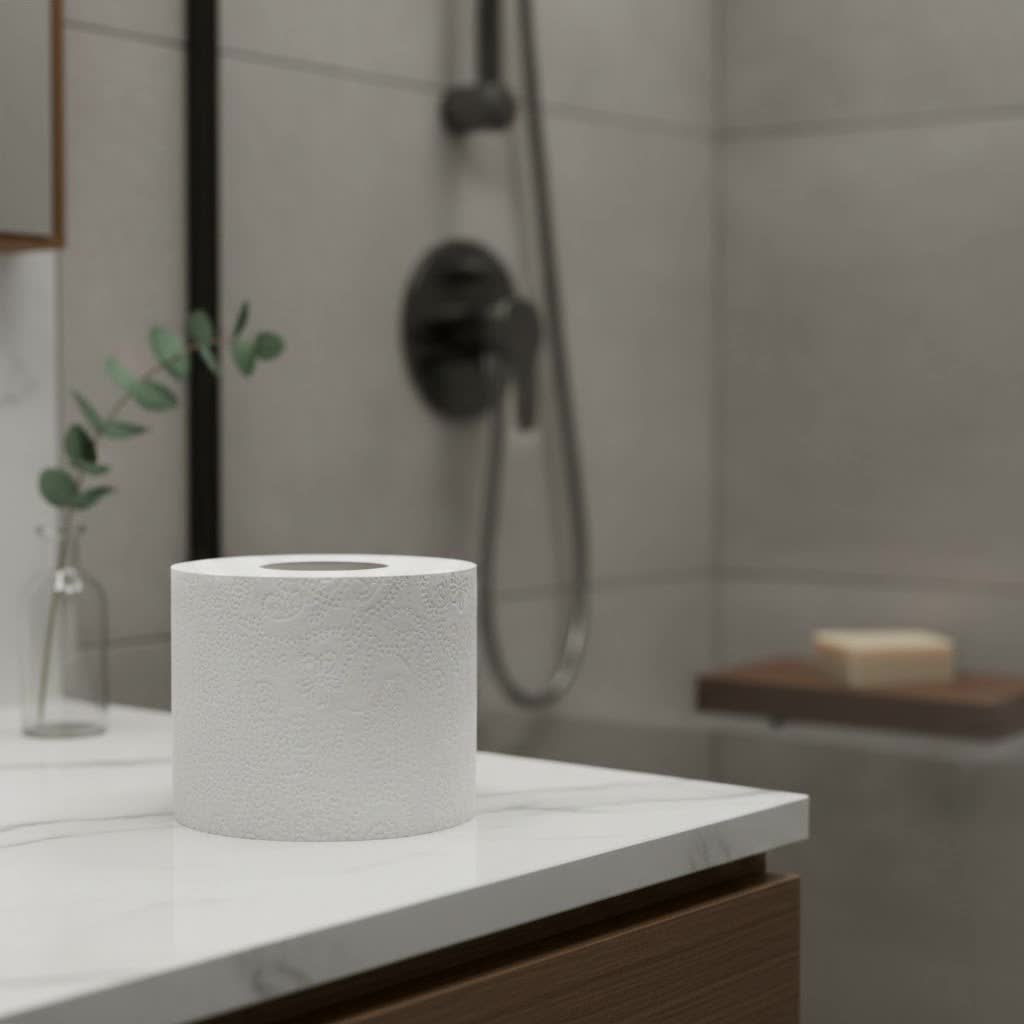
Navigating the seemingly simple world of toilet paper rolls can be surprisingly complex. With an array of options from luxurious softness to eco-conscious choices, selecting the right roll toilet paper for your household or business involves more than just grabbing the first pack you see. This comprehensive guide will unroll everything you need to know, helping you make an informed decision that balances comfort, performance, and environmental impact. We’ll delve into the different types, key selection criteria, the intricate manufacturing process, and practical tips for optimal use and storage.
Understanding Roll Toilet Paper: A Comprehensive Overview
At its core, roll toilet paper is a paper product designed for personal hygiene, typically supplied in perforated rolls for easy dispensing. While its fundamental purpose remains unchanged, the market has evolved significantly, offering diverse types to cater to varied preferences and needs.
The most common distinction for roll toilet paper is by ply, which refers to the number of layers of paper.
- 1-Ply: Consists of a single layer, making it thinner and generally less durable. It’s often the most affordable option, suitable for budget-conscious users, though it may require more sheets per use.
- 2-Ply: Features two layers, striking a balance between price and quality. It offers better absorbency and softness than 1-ply and is a popular choice for many households.
- 3-Ply & 4-Ply: These premium options boast three or four layers, providing maximum softness, thickness, and strength for a more luxurious and comfortable experience.
Beyond ply, the material composition of roll toilet paper is a crucial differentiator:
- Virgin Wood Pulp: Derived from fresh wood, typically a blend of softwood (like pine or spruce for strength) and hardwood (like birch or eucalyptus for smoothness). This is often associated with high-quality, soft toilet paper.
- Recycled Paper: Made from post-consumer waste such as newspapers or office paper. It’s an eco-friendly choice that reduces the demand for virgin wood pulp, though it requires de-inking and processing.
- Bamboo Pulp: A rapidly growing sustainable alternative, bamboo toilet paper is biodegradable, strong, soft, and often chemical-free, making it ideal for environmentally conscious consumers and sensitive skin.
- Sugarcane Bagasse and Hemp Pulp: Other emerging sustainable materials offering similar eco-friendly benefits.
Roll toilet paper also comes in various roll sizes to suit different usage environments. Standard rolls are common for households, while jumbo or mega rolls are designed for high-capacity settings like commercial restrooms, reducing the frequency of refills. Coreless options further minimize waste by eliminating the cardboard tube.
Finally, manufacturers integrate special features to enhance the user experience. You might find quilted patterns for added texture and absorbency, scented varieties for a fresh aroma (though some may contain artificial dyes or fragrances that can irritate sensitive skin), organic options free from harsh chemicals, and even antibacterial formulations claiming to offer an extra layer of hygiene.
Essential Criteria for Choosing the Right Roll Toilet Paper
Selecting the ideal roll toilet paper involves weighing several key factors. Your ultimate choice will depend on your priorities, whether they lean towards comfort, environmental responsibility, or budget.
Material Composition
|
Our Picks for the Best Toilet Paper in 2026
As an Amazon Associate I earn from qualifying purchases.
|
||
| Num | Product | Action |
|---|---|---|
| 1 | Quilted Northern Ultra Plush Toilet Paper, 24 Mega Rolls = 96 Regular Rolls, 3X Thicker*, 3 Ply Soft Toilet Tissue |

|
| 2 | Happy Valentines Day Decorations Gifts for Him Her Girls Women Teens, 3 Ply 150 Sheet Funny Toilet Paper Roll, Red Love Heart Tissue Paper, Friends Bathroom Toilet Themed Party Decorations Favors |
|
| 3 | Amazon Basics FSC-Certified 2-Ply Septic-Safe Toilet Paper, Soft, 350 Sheets per Roll, 6 Rolls = 37 Regular Rolls |
|
| 4 | Angel Soft Toilet Paper, 18 Mega Rolls = 72 Regular Rolls, Soft and Strong Toilet Tissue |
|
| 5 | Eco Comfort Pack Bamboo Toilet Paper – 350 Sheets per Roll, 3-Ply Soft & Strong, Plastic-Free Packaging, Septic Safe, Eco Friendly (PREMIUM WHITE, 12 Rolls) |
|
| 6 | Amazon Basics FSC-Certified 2-Ply Septic-Safe Toilet Paper, Soft, 350 Sheets per Roll, 30 Rolls = 185 Regular Rolls |
|
| 7 | Charmin Ultra Soft Cushiony Touch Toilet Paper, 24 Family Mega = 123 Regular Rolls, White |
|
| 8 | Scott ComfortPlus Toilet Paper, 12 Double Rolls, 231 Sheets per Roll, Septic-Safe, 1-Ply Toilet Tissue |
|
| 9 | Amazon Basics Soft and Strong 2-Ply Toilet Paper, 6 Ultra Rolls = 24 Regular Rolls, Unscented, 340 Sheet (6 Rolls) |
|
| 10 | Scott Professional 100% Recycled Fiber Standard Roll Bulk Toilet Paper (13217), 2-Ply, Elevated Design, White, Individually Wrapped (80 Rolls of 473 Sheets, 37,840 Sheet Total) |
|
The raw materials dictate much of a toilet paper’s quality and environmental footprint.
- Virgin Wood Pulp vs. Recycled Paper: Virgin pulp offers superior softness and strength, often preferred for premium products. However, recycled paper significantly reduces deforestation and waste. While recycled paper has improved in quality, some still find it less soft or strong than virgin pulp options.
- Sustainable Alternatives: Bamboo toilet paper stands out as a highly sustainable choice, growing quickly and requiring fewer resources than trees. It is naturally soft, durable, and typically free from harsh chemicals, making it excellent for sensitive skin and the environment. Other sustainable options like sugarcane bagasse and hemp pulp also offer eco-friendly benefits.
- Health & Safety Certifications: Look for certifications like FSC (Forest Stewardship Council) for responsibly sourced wood, or labels indicating that the product is chlorine-free or hypoallergenic, especially if you have sensitive skin.
Softness and Absorbency
These attributes directly impact comfort and effectiveness.
- How Ply Affects These: Generally, more plies mean increased softness and absorbency. Multi-ply toilet paper creates air pockets that contribute to a plush feel and allow for greater liquid absorption.
- Testing for Softness: While tactile tests are subjective, manufacturers often use instruments like a Handle-O-Meter to measure softness. For consumers, visual cues like quilting and descriptions like “ultra soft” usually indicate a softer product.
- Importance for User Experience: High absorbency means less paper is needed per use, potentially leading to cost savings and reduced waste over time, while softness ensures a gentle feel.
Strength and Tear Resistance
Nobody wants toilet paper that tears mid-use. The durability of your roll toilet paper is paramount for a comfortable and effective experience.
- Why Durability Matters: Sufficient strength prevents the paper from ripping or disintegrating, which is essential for both hygiene and user satisfaction.
- Factors Influencing Strength: Higher ply counts, the blend of softwood fibers (which provide longer, stronger fibers), and embossing patterns all contribute to a roll’s tear resistance. Manufacturers conduct tests for both dry and wet tensile strength to ensure reliability.
Roll Dimensions and Quantity
The physical characteristics of the roll itself influence convenience and cost-efficiency.
- Standard vs. Jumbo vs. Coreless: Standard rolls fit most home dispensers, while jumbo or mini jumbo rolls are designed for commercial use, offering more sheets and reducing the frequency of changes. Coreless rolls further enhance sustainability by eliminating the cardboard core.
- Cost-Efficiency per Sheet: It’s often more economical to compare the price per 100 sheets or by weight, rather than just the price per roll, especially when considering mega or jumbo rolls that contain more paper.
- Matching Dispenser Types (Commercial): For workplaces, ensuring the roll toilet paper is compatible with existing dispensers (universal vs. proprietary, core vs. coreless) is crucial for smooth operation and to avoid waste.
Price and Value
While budget is always a factor, the cheapest option isn’t always the best value.
- Price Segments: Toilet paper is available across a wide range of price points, from basic single-ply options to premium multi-ply, specialized eco-friendly, or organic varieties.
- Balancing Cost with Quality and Long-Term Benefits: A slightly more expensive, stronger, or more absorbent roll might last longer, requiring fewer sheets per use and ultimately offering better value over time. Consider the “cost per use” rather than just the “cost per roll.”
The Journey of a Roll: How Toilet Paper is Made
The transformation of raw materials into the roll toilet paper we use daily is a sophisticated industrial process involving several key stages.
Raw Material Sourcing
The manufacturing process begins with the careful selection and preparation of raw materials.
- Wood Pulp: Traditionally, this comes from softwood (like pine) for strength and hardwood (like eucalyptus) for softness. The trees are debarked and chipped.
- Recycled Paper: Post-consumer waste paper is collected, sorted, cleaned, and de-inked to remove contaminants.
- Alternative Fibers: Sustainable options like bamboo, sugarcane bagasse, and hemp are gaining popularity as renewable resources. Bamboo, for instance, is rapidly renewable and produces naturally soft and strong fibers.
From Pulp to Paper Sheet
Once raw materials are prepared, they are converted into a fibrous pulp.
- Pulping Process: Wood chips or recycled paper are mixed with water and chemicals in large digesters and heated. This breaks down the materials into a slurry of fine fibers. For recycled paper, a de-inking process removes any residual inks or contaminants, ensuring a clean, fibrous base.
- Sheet Formation: The resulting pulp slurry is spread evenly onto a moving mesh screen. Water drains away, leaving a wet mat of fibers. This mat then passes through press rollers to squeeze out more water, compacting the fibers. Finally, it moves over large heated cylinders, drying into a continuous sheet of paper.
Converting and Finishing
The dried paper sheet, now a “parent roll” (a massive reel of paper), undergoes further processing to become consumer-ready.
- Embossing: Patterns are pressed onto the paper, which not only enhances texture and softness but also helps to bond multiple plies together and makes the paper appear thicker.
- Perforation: A machine creates small, evenly spaced holes across the paper, allowing users to easily tear off individual sheets.
- Multi-Ply Layering: For multi-ply toilet paper, one or more layers of the paper sheet are carefully glued together to achieve the desired thickness, strength, and comfort.
Cutting, Packaging, and Quality Control
The final stages involve shaping, protecting, and verifying the product.
- Cutting and Packaging: The large parent rolls are sliced into consumer-sized rolls by automatic machines. Each individual roll is then typically wrapped in plastic or paper for protection and branding, and finally bundled into larger packs for retail sale.
- Quality Control: Rigorous quality checks are performed at every stage. This includes testing the raw materials for cleanliness and fiber quality, monitoring pulp consistency, ensuring uniform sheet formation and drying, verifying embossing patterns and perforation accuracy, and checking roll dimensions and packaging integrity. Final products are also tested for critical attributes like softness, strength (dry and wet), absorbency, and freedom from harmful chemical residues to ensure hygiene and safety standards are met.
Choosing the Ideal Roll Toilet Paper for Your Needs
With so many choices, pinpointing the perfect roll toilet paper requires a thoughtful approach tailored to your specific situation.
Assessing Your Usage
Consider who will be using the toilet paper and in what context.
- Household vs. Commercial: For families, factors like softness, skin sensitivity, and septic safety are often paramount. For offices, restaurants, or public facilities, durability, cost-effectiveness, and compatibility with high-capacity dispensers (e.g., jumbo rolls, coreless options) become more critical.
- Prioritizing Factors: If you have sensitive skin, prioritize options that are organic, bamboo-based, or specifically labeled as hypoallergenic and free from dyes and fragrances. If you’re on a budget, look for 2-ply options that offer a good balance of quality and price, or consider buying in bulk. For homes with older plumbing or septic systems, rapidly dissolving toilet paper is a must to prevent clogs.
Decoding Product Information
Become a savvy shopper by understanding what to look for on the packaging.
- Ingredients and Certifications: Check for transparency regarding materials (virgin pulp, recycled content, bamboo), and look for environmental certifications like FSC or ECOLOGO. For health concerns, confirm if products are chlorine-free, unbleached, or dermatologist-tested.
- User Reviews: While not always definitive, reading reviews from other consumers can offer insights into real-world performance, especially regarding softness, strength, and dissolvability.
Where to Purchase
Your purchasing habits can also influence your choice and cost.
- Retail Stores: Supermarkets and drugstores offer convenience and allow you to physically compare products.
- Online Retailers: E-commerce sites often provide a wider selection, competitive pricing, and the convenience of home delivery, especially for bulk purchases.
- Bulk Buying Tips: For larger households or commercial settings, buying in bulk from warehouses or online can lead to significant cost savings. However, ensure you have adequate storage space for larger quantities.
Highly Rated Roll Toilet Paper Qualities and Types
While specific brands fluctuate in rankings, certain qualities and types of roll toilet paper consistently receive high marks from consumers and experts alike for their performance and value.
For those prioritizing unmatched comfort and softness, multi-ply (3-ply or 4-ply) toilet paper made from virgin wood pulp, often with quilting or lotion infusions, is frequently a top choice. These options provide a plush, cushiony feel, enhancing the user experience.
If eco-friendliness and sustainability are your primary concerns, bamboo toilet paper is widely praised. Its rapid growth, reduced water and pesticide use, and biodegradability make it an excellent choice for minimizing environmental impact without sacrificing strength or a relatively soft feel. Recycled paper options also fall into this category, offering a greener alternative, especially those with high post-consumer content.
For strength and durability, particularly important in high-traffic areas or for those who prefer a more robust wipe, higher-ply rolls or those with specific fiber blends (often incorporating more softwood pulp) are highly regarded. These types are designed to resist tearing, providing confidence and reducing consumption.
When value for money is key, 2-ply toilet paper that balances absorbency, softness, and affordability tends to be popular. Many store brands or economy packs of well-known brands often deliver satisfactory performance at a more accessible price point, especially when purchased in larger quantities.
Finally, for homes with septic systems or older plumbing, toilet paper specifically designed for rapid dissolvability is essential. These products break down quickly in water, helping to prevent clogs and ensure smooth plumbing operation. Bamboo and some single-ply options are often good choices for septic safety.
Important Tips for Using and Storing Roll Toilet Paper
Maximizing the effectiveness and longevity of your roll toilet paper also involves proper usage and storage.
Firstly, using toilet paper correctly ensures both personal hygiene and efficient consumption. While the amount needed varies, using a sufficient but not excessive quantity helps prevent blockages and extends the life of the roll. For enhanced cleanliness, some people opt for flushable wipes in conjunction with dry toilet paper, though it’s crucial to use flushable wipes sparingly and ensure they are truly “flushable” to avoid plumbing issues.
Secondly, proper storage is vital to maintain the quality of your toilet paper. Roll toilet paper should always be kept in a dry, cool place, away from excessive moisture or humidity, which can lead to dampness, mold growth, or damage to the paper. Storing extra rolls in a cabinet or on a shelf in a linen closet is ideal. Avoid placing open rolls too close to the toilet or shower where they can easily get wet or exposed to splashes.
Consider the disposal of the empty cardboard core as well. While many are recyclable with other paper products, some prefer coreless rolls to eliminate this waste entirely. Being mindful of these small habits contributes to a more sustainable and hygienic bathroom routine.
Conclusion
Choosing the right roll toilet paper goes beyond a simple purchase; it’s a decision that impacts comfort, hygiene, budget, and the environment. By understanding the different types—from varying plies and materials like virgin pulp or sustainable bamboo, to specialized features—you are empowered to make a choice that aligns with your specific needs. Key criteria such as softness, strength, absorbency, and environmental impact are crucial considerations, as is appreciating the meticulous manufacturing journey from raw fiber to finished roll. With this comprehensive knowledge, you can confidently select the ideal roll toilet paper for your daily needs, ensuring both satisfaction and responsible consumption.
What aspects of your toilet paper choice matter most to you?
Frequently Asked Questions
What is the primary difference between 1-ply and 2-ply toilet paper rolls?
The primary difference lies in thickness and durability. 1-ply has a single layer, making it thinner and more economical but potentially requiring more sheets per use. 2-ply features two layers, offering improved softness, absorbency, and strength, providing a better balance of quality and cost for most users.
Is bamboo toilet paper truly more eco-friendly than recycled toilet paper?
Bamboo toilet paper is highly eco-friendly due to bamboo’s rapid growth, minimal water needs, and biodegradability. Recycled toilet paper also reduces deforestation and landfill waste. Both are better for the environment than virgin wood pulp, with bamboo often having a slight edge in terms of renewable resource impact and chemical-free processing.
How can I tell if my roll toilet paper is safe for a septic system?
To ensure your roll toilet paper is safe for a septic system, look for labels explicitly stating “septic-safe” or “biodegradable.” These products are designed to break down quickly and prevent clogs. Generally, single-ply and bamboo options tend to dissolve faster than very thick, multi-ply, or heavily embossed varieties.
What causes some toilet paper rolls to tear easily?
Toilet paper rolls tear easily primarily due to lower ply count, the quality and length of the paper fibers used, and insufficient embossing. Single-ply paper or paper made with shorter, weaker fibers will inherently have less tear resistance. Consistent perforation also plays a role; uneven perforations can cause the roll to rip in unintended places.
Are scented toilet paper rolls safe for sensitive skin?
Scented toilet paper rolls may not be safe for sensitive skin due to the added fragrances and dyes, which can cause irritation or allergic reactions. If you have sensitive skin, it’s best to opt for unscented, unbleached, or organic toilet paper, with bamboo options often recommended for their natural, chemical-free properties.
Get our weekly buyer guide
Practical specs, not advice. Unsubscribe anytime.

I used to just grab whatever was on sale, but after reading about the different ply options, I decided to try a 3-ply brand. What a difference! It’s so much more absorbent and I actually use less. Definitely worth the slightly higher price for the comfort and efficiency.
I was really hoping the recycled paper options would work out for me, especially for the environmental impact. While I appreciate the sustainability aspect, the brand I tried felt a bit too rough. It’s not terrible, but I might need to keep looking for a softer eco-friendly alternative.
Who knew there was so much to learn about toilet paper? I’ve been a loyal fan of a specific brand for years, but after understanding the manufacturing process and how different fibers affect softness, I’m actually considering trying a bamboo-based roll. The idea of a strong yet soft and sustainable option is really appealing.
I’ve always struggled with finding toilet paper that doesn’t irritate my sensitive skin. The tip about looking for chlorine-free and dye-free options was a game-changer. I switched to a brand that fits those criteria and my skin has been much happier. It’s a relief to finally find something that works.