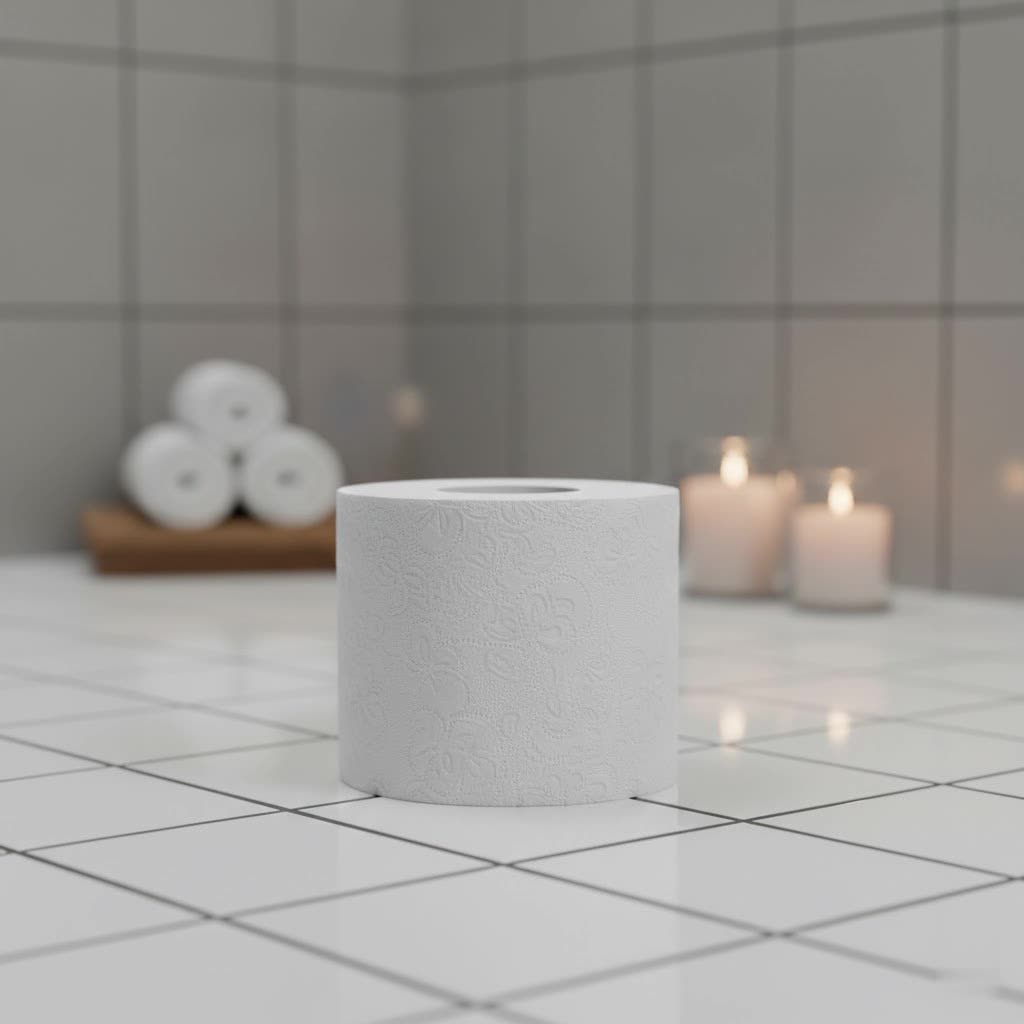
Choosing the right toilet paper for your household or business often feels like a minor decision, yet it significantly impacts daily comfort, budget, and even plumbing health. While multi-ply options often grab attention with promises of plushness, single ply toilet paper stands as a champion of efficiency and practicality, especially in specific environments. Have you ever considered what truly makes a roll of toilet paper “good” beyond just its softness? This comprehensive guide will unroll everything you need to know about single ply toilet paper, helping you make an informed choice that aligns with your needs and values.
What is Single Ply Toilet Paper? An Overview of the Market
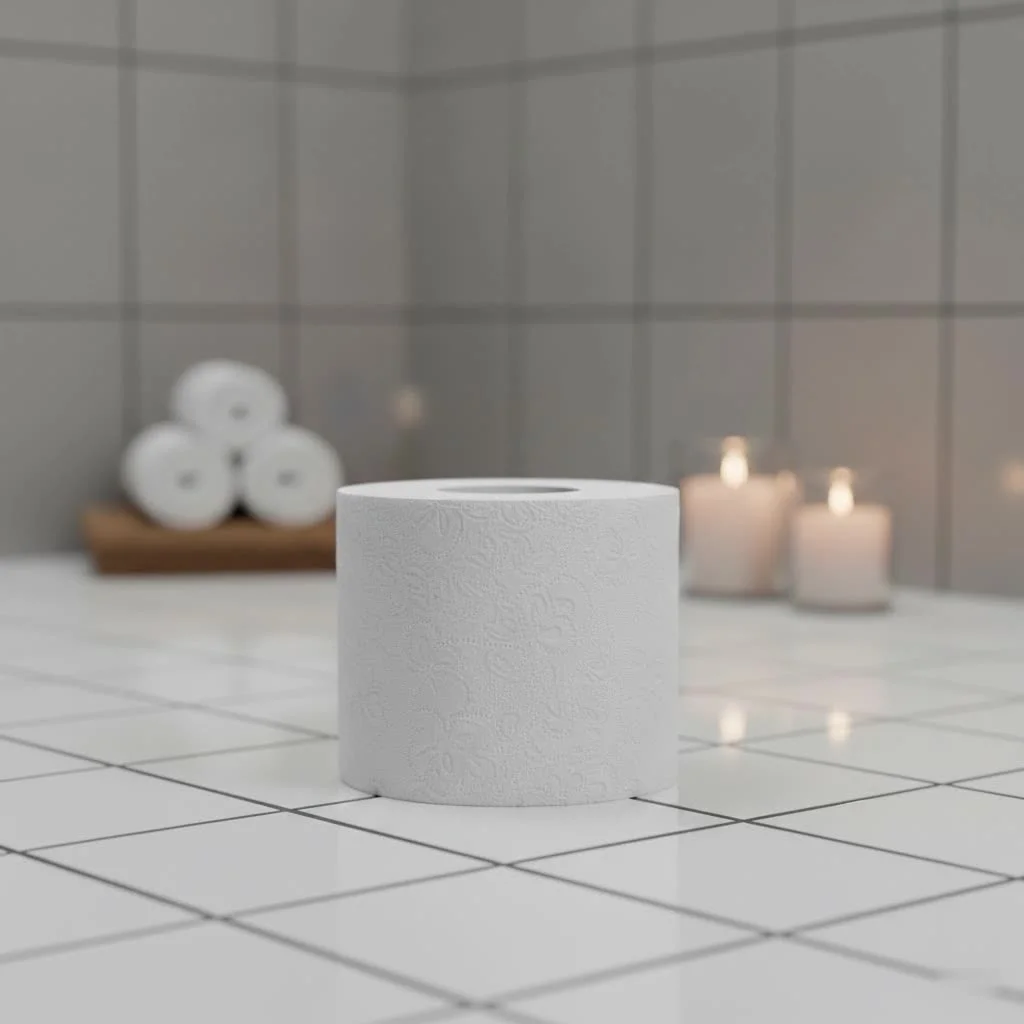
Single ply toilet paper, as its name suggests, consists of a single layer of paper per sheet. It’s the most basic and often the most economical option available on the market. While its history is intertwined with the broader development of toilet paper, from its origins as individual sheets to modern rolled forms, single ply has consistently served specific purposes, particularly in high-traffic settings where efficiency and cost-effectiveness are paramount.
Globally, the toilet paper market encompasses a vast array of products, from basic single-layer options to luxurious three- and even four-ply variants, alongside specialty products like wet wipes. While multi-ply paper dominates many household shelves, single ply maintains a strong presence, especially in commercial, institutional, and specific residential applications. You’ll frequently find it in public restrooms, offices, and schools where its rapid dissolvability and lower cost offer distinct advantages.
Key Criteria When Choosing Toilet Paper
When selecting toilet paper, a few critical factors come into play, influencing not only your experience but also your plumbing and environmental footprint. For single ply toilet paper, these criteria often highlight its unique strengths and considerations.
Material: Virgin Pulp vs. Recycled
The primary materials used in toilet paper production are virgin wood pulp (derived directly from trees) and recycled paper fibers. Each has its own set of advantages and disadvantages. Virgin pulp often yields a softer, whiter product, but at a higher environmental cost due to deforestation and energy-intensive processing. Conversely, recycled paper offers a more eco-friendly alternative, reducing the demand for new trees and conserving resources. For single ply, recycled options are particularly popular as they often break down even more easily, a key benefit for septic systems. When looking at certifications, labels like FSC (Forest Stewardship Council) ensure that wood pulp is sourced from responsibly managed forests, promoting sustainable practices regardless of ply count.
Softness and Absorbency
|
Our Picks for the Best Toilet Paper in 2026
As an Amazon Associate I earn from qualifying purchases.
|
||
| Num | Product | Action |
|---|---|---|
| 1 | Eco Comfort Pack Bamboo Toilet Paper – 350 Sheets per Roll, 3-Ply Soft & Strong, Plastic-Free Packaging, Septic Safe, Eco Friendly (PREMIUM WHITE, 12 Rolls) |

|
| 2 | Amazon Basics FSC-Certified 2-Ply Septic-Safe Toilet Paper, Soft, 350 Sheets per Roll, 6 Rolls = 37 Regular Rolls |
|
| 3 | Scott ComfortPlus Toilet Paper, 12 Double Rolls, 231 Sheets per Roll, Septic-Safe, 1-Ply Toilet Tissue |
|
| 4 | Charmin Ultra Soft Cushiony Touch Toilet Paper, 24 Family Mega = 123 Regular Rolls, White |
|
| 5 | Happy Valentines Day Decorations Gifts for Him Her Girls Women Teens, 3 Ply 150 Sheet Funny Toilet Paper Roll, Red Love Heart Tissue Paper, Friends Bathroom Toilet Themed Party Decorations Favors |
|
| 6 | Amazon Basics Soft and Strong 2-Ply Toilet Paper, 6 Ultra Rolls = 24 Regular Rolls, Unscented, 340 Sheet (6 Rolls) |
|
| 7 | Scott Professional 100% Recycled Fiber Standard Roll Bulk Toilet Paper (13217), 2-Ply, Elevated Design, White, Individually Wrapped (80 Rolls of 473 Sheets, 37,840 Sheet Total) |
|
| 8 | Angel Soft Toilet Paper, 18 Mega Rolls = 72 Regular Rolls, Soft and Strong Toilet Tissue |
|
| 9 | Amazon Basics FSC-Certified 2-Ply Septic-Safe Toilet Paper, Soft, 350 Sheets per Roll, 30 Rolls = 185 Regular Rolls |
|
| 10 | Quilted Northern Ultra Plush Toilet Paper, 24 Mega Rolls = 96 Regular Rolls, 3X Thicker*, 3 Ply Soft Toilet Tissue |
|
One of the most common perceptions about single ply toilet paper is its lack of softness compared to its multi-ply counterparts. While it typically offers a simpler texture, many modern single ply options have improved significantly in this regard, balancing practicality with a more acceptable tactile experience. Absorbency is also crucial, as it directly impacts how many sheets you might need. A good single ply paper should be absorbent enough to handle its task effectively, despite its thinness. The key is to find a balance where the paper performs without requiring excessive use, which could negate its cost benefits.
Strength and Tear Resistance
Despite having only one layer, the strength and tear resistance of single ply toilet paper are vital. No one wants toilet paper that falls apart mid-use. Manufacturers achieve durability in single ply through the choice of fiber blends (e.g., combining softwood for strength with hardwood for softness) and specific manufacturing processes that bind the fibers effectively. While it may not feel as robust as a three-ply, a well-made single ply should hold up without excessive tearing, providing reliable performance when needed.
Roll Size and Quantity
Single ply toilet paper often comes in larger rolls, particularly for commercial or industrial use, containing significantly more sheets than standard household multi-ply rolls. This larger quantity translates to less frequent roll changes, making it a practical choice for high-traffic areas. When evaluating cost, consider the total number of sheets or meters per roll rather than just the initial price of the package. Calculating the cost per sheet can provide a clearer picture of its actual value and help you choose the most economical option for your needs.
Price
Without a doubt, price is one of the most compelling advantages of single ply toilet paper. It is typically more affordable than multi-ply options, making it a budget-friendly choice for both homes and businesses. While the initial cost savings are clear, it’s also important to factor in potential usage habits. If a single ply paper is exceptionally thin or weak, users might consume more sheets per visit, which could subtly erode some of the cost savings over time. Therefore, finding a balance between low price and decent quality is essential to maximize value.
Single Ply vs. Multi-Ply Toilet Paper: A Detailed Comparison
The choice between single ply and multi-ply toilet paper often comes down to prioritizing different aspects like cost, comfort, and environmental impact. Here’s a detailed comparison to help you weigh the options:
| Feature | Single Ply Toilet Paper | Multi-Ply Toilet Paper |
|---|---|---|
| Layers | One | Two, three, or more |
| Material | Often uses less material; common in recycled versions | Uses more material per sheet |
| Softness | Generally less soft, simpler texture | Typically softer, more luxurious feel |
| Absorbency | Can require more sheets for optimal absorbency | Generally more absorbent per sheet |
| Strength/Durability | Less robust, but can be surprisingly durable in good brands | Stronger, less prone to tearing during use |
| Dissolvability | Dissolves very quickly | May dissolve slower; can pose higher clog risk in old plumbing |
| Septic-Safe | Highly recommended due to rapid dissolution | Many options are septic-safe, but faster dissolution is key |
| Cost | More cost-effective, budget-friendly | Higher cost, premium pricing |
| Environmental Impact | Less material use, lower production energy, potentially greener if sustainably sourced | Higher resource consumption, greater transportation footprint |
| Common Usage | Public restrooms, offices, RVs, septic systems | Households, hotels, premium environments |
Choosing the Right Single Ply Toilet Paper for Your Needs
Selecting the ideal single ply toilet paper isn’t a one-size-fits-all decision; it depends heavily on your specific requirements and priorities. Consider these factors to ensure you make the best choice.
Identify Usage Needs
Your primary usage environment dictates the best type of single ply. For example, homes with septic systems or older plumbing greatly benefit from single ply’s rapid dissolvability, preventing costly clogs and system issues. RV and marine toilets also require quick-dissolving paper to protect their specialized plumbing. In commercial settings like offices or public facilities, the economic benefits and reduced maintenance (fewer clogs, less frequent roll changes) of large single ply rolls are significant advantages. If comfort is a top priority for your household, you might explore higher-quality single ply options or consider a multi-ply alternative.
Read Product Information
Always scrutinize product labels before purchasing. Look for details on the material composition (virgin pulp, recycled content, bamboo), certifications (e.g., FSC for sustainable sourcing, EPA Safer Choice for chemical safety), and specific claims like “septic-safe” or “rapid dissolving.” User reviews can also provide invaluable real-world insights into a product’s softness, strength, and overall performance. Don’t hesitate to check reviews from other consumers, particularly those with similar plumbing systems or usage demands.
Where to Buy
Single ply toilet paper is widely available across various retail channels. You can find it in large supermarkets, discount stores, and convenience stores, often in bulk packs. For greater variety and competitive pricing, online retailers and wholesale suppliers are excellent options, especially if you plan to purchase in larger quantities for a business or a large household. When buying in bulk, always compare unit prices to ensure you’re getting the most value. Consider specialized suppliers for RV or marine toilet paper, as these often offer products specifically engineered for those unique systems.
Top-Rated Single Ply Toilet Paper Options
While single ply often carries a reputation for being basic, several brands excel in delivering quality, efficiency, and septic-safe performance. Here are a few highly-regarded options:
- Scott 1000 Toilet Paper: This is a classic for a reason. Known for its 1-ply strength and incredible dissolvability, Scott 1000 offers 1000 sheets per roll, making it highly cost-effective and an excellent choice for septic systems, RVs, and general household use where clog prevention is key.
- Seventh Generation 100% Recycled Toilet Paper: While often available in 2-ply, Seventh Generation’s commitment to 100% recycled paper often results in a product that performs similarly to a good single ply in terms of dissolvability. It’s an eco-conscious choice, free from dyes, fragrances, and chlorine bleach, making it gentle on both your system and the planet.
- Caboo Tree-Free Bamboo Toilet Paper: Made from rapidly renewable bamboo and sugarcane, Caboo offers a tree-free, single ply option that is naturally biodegradable and safe for septic systems. It provides a surprisingly soft yet strong feel, appealing to those seeking an eco-friendly and effective alternative.
- Freedom Living Biodegradable Toilet Tissue: Specifically designed for RVs, boats, and portable toilets, this 1-ply option boasts ultra-fast dissolving properties, ensuring hassle-free use in sensitive plumbing systems. It’s soft and gentle, making it a reliable choice for travel and off-grid living.
These options demonstrate that single ply toilet paper can indeed offer a balance of performance, value, and environmental responsibility, moving beyond the simple “basic” label.
Important Tips for Using and Storing Single Ply Toilet Paper
To maximize the benefits of single ply toilet paper and ensure optimal hygiene and plumbing health, consider these practical tips.
Proper usage is key: while single ply is efficient, some users might find they need slightly more sheets compared to a thicker multi-ply paper to achieve the desired cleanliness. However, due to its rapid dissolvability, using a few extra sheets of single ply is generally less likely to cause plumbing issues than using fewer sheets of a slow-dissolving, thick multi-ply product. It’s about finding the right amount that works for you without over-flushing.
Always store toilet paper in a dry, cool place away from direct moisture. Humidity can compromise the paper’s integrity, making it less effective and more prone to tearing. For long-term storage, especially if buying in bulk, airtight containers or original packaging can protect rolls from dust and moisture, extending their shelf life and maintaining quality.
When it comes to disposal, simply flushing single ply toilet paper down the toilet is the standard practice, particularly because of its quick-dissolving nature. However, it’s crucial to avoid flushing anything else that isn’t specifically designed to be flushable, such as wet wipes (even those marketed as “flushable”), feminine hygiene products, or paper towels, as these can easily clog any plumbing system, regardless of the type of toilet paper used.
Conclusion
Navigating the world of toilet paper reveals that single ply options are far more than just a budget choice. They offer a compelling blend of cost-effectiveness, environmental benefits, and crucial plumbing safety, especially for homes with septic systems or those prioritizing sustainability. By understanding its unique characteristics and choosing wisely, you can ensure your daily routine is both practical and responsible. The “best” toilet paper is one that perfectly meets your specific needs without compromise. What considerations are most important to you when choosing your next roll?
Frequently Asked Questions
Is single ply toilet paper truly better for septic systems?
Yes, single ply toilet paper is generally considered superior for septic systems because its thinner design and single layer allow it to break down much faster in water. This rapid disintegration significantly reduces the risk of clogs and buildup in your pipes and septic tank, helping to maintain the system’s health and longevity.
Does single ply toilet paper mean I have to use more?
It depends on the quality. While some very thin single ply papers might require a few extra sheets to feel effective, many modern single ply options are designed for improved strength and absorbency. This means you might not need to use significantly more sheets than you would with a multi-ply product.
Is single ply toilet paper more environmentally friendly?
Generally, yes. Single ply toilet paper uses less raw material per sheet and often requires less energy in its production compared to multi-ply alternatives. When made from recycled content or sustainably sourced virgin pulp (like bamboo), it represents an even more eco-conscious choice, reducing deforestation and carbon footprint.
Can single ply toilet paper be soft and comfortable?
While typically less plush than premium multi-ply options, advancements in manufacturing have led to single ply toilet papers that offer a surprisingly soft and comfortable experience. Brands often use specific fiber blends or embossing techniques to enhance texture without compromising the single-layer benefits.
Is single ply toilet paper only for commercial use?
Not at all. While highly favored in commercial and institutional settings for its cost-effectiveness and clog-reducing properties, single ply toilet paper is also an excellent choice for households, especially those with septic systems, RVs, or those prioritizing budget and environmental considerations.
How can I tell if a single ply toilet paper is good quality?
Look for indicators like certifications (e.g., FSC for responsible sourcing), positive user reviews mentioning strength and absorbency, and clear labeling regarding its dissolvability. Testing a small amount in water can also quickly show how well it breaks down.
Are there any specific brands of single ply toilet paper recommended for sensitive skin?
For sensitive skin, look for single ply options that are unscented, dye-free, and whitened without harsh chlorine bleaches. Brands focusing on natural or recycled materials, such as Seventh Generation or Caboo, often offer products that are gentler and less likely to cause irritation.
Get our weekly buyer guide
Practical specs, not advice. Unsubscribe anytime.
