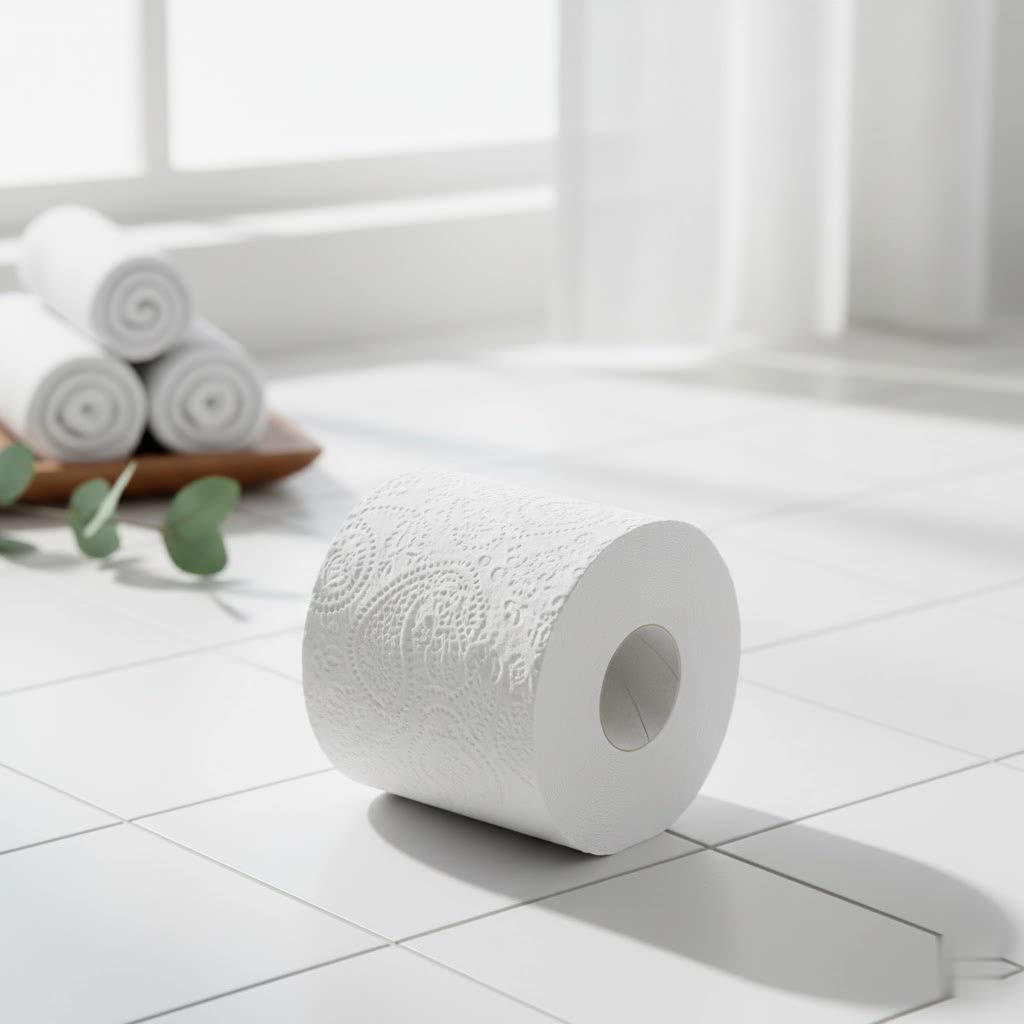
In an era where every choice impacts our planet, selecting something as fundamental as toilet paper has gained significant environmental importance. Have you ever considered what happens to your toilet paper after you flush it away? Traditional toilet paper, often derived from virgin wood pulp, contributes to deforestation and considerable resource consumption. This is where biodegradable toilet paper steps in, offering a greener alternative designed to minimize your ecological footprint without compromising on hygiene or comfort.
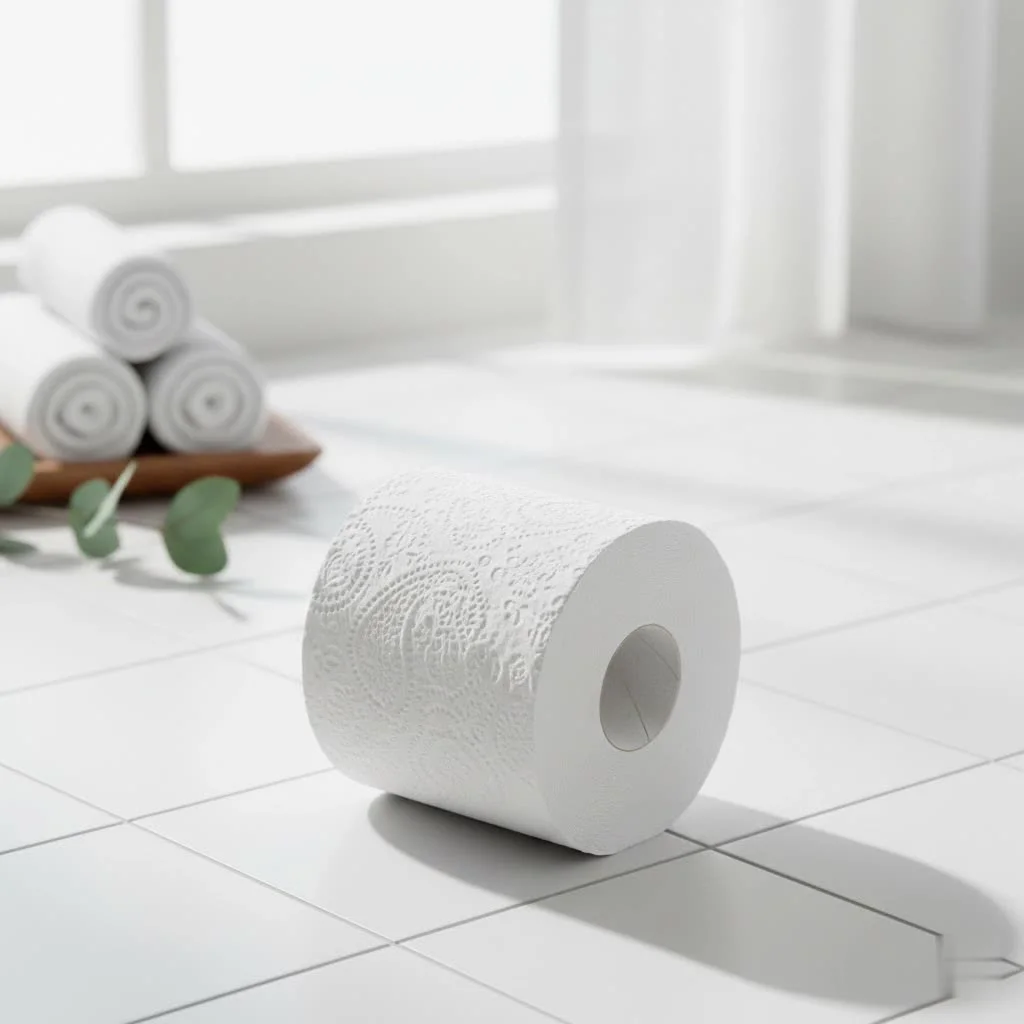
This comprehensive guide will delve into everything you need to know about biodegradable toilet paper. We’ll explore its definition, the sustainable materials it’s made from, the benefits it offers, and how it stacks up against conventional options. By the end, you’ll be equipped to make an informed decision, choosing a product that aligns with both your personal needs and environmental values.
What is Biodegradable Toilet Paper? An Overview of the Market
Biodegradability refers to a material’s capacity to decompose naturally through the action of microorganisms, returning safely to the environment. Biodegradable toilet paper is specifically engineered to disintegrate quickly and completely, leaving behind minimal environmental residue. Unlike conventional varieties that can take years to fully break down, this innovative product’s natural composition ensures a much faster decomposition rate, often breaking down up to four times faster.
The market for biodegradable toilet paper has expanded considerably, offering a variety of sustainable materials. The most common types include:
- Bamboo Toilet Paper: Made from rapidly renewable bamboo stalks, which grow significantly faster than trees and require minimal water and no pesticides.
- Recycled Toilet Paper: Crafted from post-consumer paper waste, such as used office paper and newspapers, reducing landfill waste and demand for virgin timber.
- Sugarcane Toilet Paper: Derived from bagasse, a byproduct of sugarcane processing, transforming agricultural waste into a useful, eco-friendly product.
Globally, brands are increasingly adopting these sustainable materials and processes, driven by growing consumer demand for environmentally responsible household items. This shift helps to conserve forests, reduce water and energy consumption during production, and minimize chemical runoff into ecosystems.
Key Criteria for Choosing Biodegradable Toilet Paper
Selecting the right biodegradable toilet paper involves evaluating several important factors to ensure it meets both your environmental goals and practical expectations.
Material
The core of biodegradable toilet paper lies in its material composition, which dictates its environmental impact and performance.
- Bamboo vs. Recycled vs. Virgin Pulp: Bamboo and recycled toilet papers are the leading eco-friendly choices. Bamboo is celebrated for its rapid renewability and ability to grow without extensive resources, while recycled paper diverts waste from landfills and reduces the need for new trees. Traditional virgin pulp toilet paper, though biodegradable, has a higher environmental cost due to deforestation and intensive processing.
- Pulp Types and Safety Certifications: Many biodegradable options use chlorine-free bleaching or unbleached pulp, reducing harmful chemical byproducts. Look for certifications like the Forest Stewardship Council (FSC) or Rainforest Alliance on the packaging. These labels indicate that the product originates from responsibly managed forests or uses sustainable materials and ethical practices. Such certifications assure you that the toilet paper is safe for health and produced with environmental care.
Softness and Absorbency
|
Our Picks for the Best Toilet Paper in 2026
As an Amazon Associate I earn from qualifying purchases.
|
||
| Num | Product | Action |
|---|---|---|
| 1 | Angel Soft Toilet Paper, 18 Mega Rolls = 72 Regular Rolls, Soft and Strong Toilet Tissue |

|
| 2 | Amazon Basics FSC-Certified 2-Ply Septic-Safe Toilet Paper, Soft, 350 Sheets per Roll, 30 Rolls = 185 Regular Rolls |
|
| 3 | Scott ComfortPlus Toilet Paper, 12 Double Rolls, 231 Sheets per Roll, Septic-Safe, 1-Ply Toilet Tissue |
|
| 4 | Quilted Northern Ultra Plush Toilet Paper, 24 Mega Rolls = 96 Regular Rolls, 3X Thicker*, 3 Ply Soft Toilet Tissue |
|
| 5 | Scott Professional 100% Recycled Fiber Standard Roll Bulk Toilet Paper (13217), 2-Ply, Elevated Design, White, Individually Wrapped (80 Rolls of 473 Sheets, 37,840 Sheet Total) |
|
| 6 | Charmin Ultra Soft Cushiony Touch Toilet Paper, 24 Family Mega = 123 Regular Rolls, White |
|
| 7 | Amazon Basics Soft and Strong 2-Ply Toilet Paper, 6 Ultra Rolls = 24 Regular Rolls, Unscented, 340 Sheet (6 Rolls) |
|
| 8 | Amazon Basics FSC-Certified 2-Ply Septic-Safe Toilet Paper, Soft, 350 Sheets per Roll, 6 Rolls = 37 Regular Rolls |
|
| 9 | Eco Comfort Pack Bamboo Toilet Paper – 350 Sheets per Roll, 3-Ply Soft & Strong, Plastic-Free Packaging, Septic Safe, Eco Friendly (PREMIUM WHITE, 12 Rolls) |
|
| 10 | Happy Valentines Day Decorations Gifts for Him Her Girls Women Teens, 3 Ply 150 Sheet Funny Toilet Paper Roll, Red Love Heart Tissue Paper, Friends Bathroom Toilet Themed Party Decorations Favors |
|
Just because it’s eco-friendly doesn’t mean you have to sacrifice comfort. Modern biodegradable toilet paper brands have made significant strides in matching the softness and absorbency of traditional options.
- Assessing Softness: While direct comparison can be subjective, many bamboo-based papers are lauded for their natural softness, comparable to premium conventional brands. User reviews and product descriptions often highlight this aspect.
- Impact on User Experience: A good balance of softness and absorbency ensures a comfortable and effective clean, minimizing the amount of paper needed per use. Bamboo fibers, being naturally longer and more flexible, often contribute to both a soft feel and excellent absorption.
Strength and Tear Resistance
Durability is crucial for effective use. No one wants toilet paper that tears too easily, leading to more usage and less efficiency.
- Why Strength Matters: A stronger, more tear-resistant sheet means you use less paper, making each roll last longer and reducing waste.
- Factors Affecting Strength: The number of plies (layers) and the quality of the fibers significantly influence strength. Many biodegradable options come in 2-ply or 3-ply varieties, providing a robust yet comfortable experience. Bamboo’s inherent fiber structure offers natural strength and resilience.
Roll Size and Quantity
Understanding roll dimensions and sheet count helps in calculating true value and planning your purchases.
- Common Roll Sizes: Biodegradable toilet paper comes in various sizes, from standard to mega rolls. Pay attention to the number of sheets per roll, not just the roll’s physical size.
- Cost-Effectiveness: Often, buying larger packs or mega rolls of biodegradable toilet paper can be more cost-effective in the long run. Calculate the cost per sheet or per 100 sheets to compare prices accurately across different brands and formats. Choosing larger rolls also reduces packaging waste.
Price
While biodegradable toilet paper might sometimes have a higher upfront cost than the cheapest conventional brands, its long-term value and environmental benefits often outweigh the difference.
- Price Segments: The market includes both budget-friendly and premium biodegradable options. Factors like material (bamboo vs. recycled), ply count, and brand reputation influence pricing.
- Value for Money: Consider the overall value, including the environmental impact, health benefits (fewer chemicals), and potential savings on plumbing issues due to its fast-dissolving nature. As demand increases and manufacturing processes become more efficient, prices are becoming more competitive with traditional toilet paper.
Biodegradable vs. Traditional Toilet Paper: A Detailed Comparison
The choice between biodegradable and traditional toilet paper is a decision with significant implications for both your home and the environment. Here’s a detailed comparison:
| Feature | Biodegradable Toilet Paper | Traditional Toilet Paper |
|---|---|---|
| Primary Material | Bamboo, Sugarcane (Bagasse), Recycled Fibers | Virgin Wood Pulp (Hardwood & Softwood) |
| Decomposition Rate | Fast (breaks down 4x faster), disintegrates quickly and completely | Slow (can take months to years) |
| Environmental Impact | Low (conserves forests, reduces water/energy, lower carbon footprint, less chemical runoff) | High (deforestation, high water/energy use, chemical pollution) |
| Chemical Content | Often chlorine-free, dye-free, fragrance-free, hypoallergenic | May contain chlorine bleach, dyes, fragrances, chemicals |
| Septic System Safety | Excellent (dissolves rapidly, prevents clogs) | Variable (some are septic-safe, others can cause issues) |
| Renewability of Source | Highly Renewable (bamboo grows rapidly, recycled materials reuse existing resources) | Non-renewable in the short term (trees take decades to mature) |
| Cost | Can be slightly higher, but increasingly competitive | Generally lower for basic options, varies for premium |
| Feel & Strength | Often soft, strong, and absorbent (especially bamboo) | Wide range from rough to ultra-soft and strong |
Biodegradable toilet paper significantly reduces your ecological footprint by embracing renewable resources and efficient production methods. It’s not merely a product but a conscious step towards a more sustainable lifestyle.
“The shift to biodegradable toilet paper is more than just a trend; it’s a fundamental change in how we view everyday consumption, prioritizing ecological health alongside personal comfort.”
How to Choose Biodegradable Toilet Paper for Your Needs
Navigating the market for eco-friendly products can sometimes feel overwhelming, but with a clear understanding of your needs and what to look for, you can confidently choose the best biodegradable toilet paper for your household.
Identify Usage Needs
Your lifestyle and specific requirements should guide your choice.
- Household vs. Specialty Use: For daily home use, you might prioritize softness and cost-effectiveness. If you have a septic system, an RV, or plan for outdoor use like camping, rapid dissolution and septic-safe certification become paramount. Biodegradable toilet paper is an excellent choice for septic systems and mobile applications due to its quick breakdown, minimizing the risk of costly clogs.
- Prioritize Factors: Do you value ultra-softness, maximum strength, the lowest environmental impact, or the most budget-friendly option? Consider if you or anyone in your household has sensitive skin, making hypoallergenic, chemical-free options a top priority.
- Health Considerations: For sensitive skin, look for products explicitly labeled as hypoallergenic, free from chlorine, dyes, and fragrances, which can cause irritation.
Read Product Information Carefully
Being an informed consumer is key to making sustainable choices.
- Ingredients and Certifications: Always scrutinize the product packaging. Look for clear statements about the materials used (e.g., “100% bamboo,” “100% recycled paper”). Crucially, check for environmental certifications such as FSC, Rainforest Alliance, or Processed Chlorine Free (PCF) to ensure genuine eco-friendliness.
- User Reviews: Online reviews can offer valuable insights into real-world performance regarding softness, strength, and how well the product breaks down. Pay attention to feedback from users with similar needs, such as those with septic systems.
- Manufacturer Transparency: Reputable brands often provide detailed information about their sourcing, manufacturing processes, and environmental commitments on their websites. This transparency is a good indicator of trustworthiness.
Where to Buy
Biodegradable toilet paper is becoming increasingly accessible.
- Retailers: Many major supermarkets and big-box stores now stock eco-friendly toilet paper brands. This allows you to compare products in person and often find sales.
- Online Stores: E-commerce platforms offer a wider selection of brands, often with detailed product descriptions and customer reviews. Online retailers are excellent for finding niche brands or purchasing in bulk.
- Bulk Buying: Buying in larger quantities from online stores or wholesale clubs can often lead to significant cost savings per roll and reduces overall packaging waste. It’s a smart strategy for long-term supply and environmental benefit.
Top Biodegradable Toilet Paper Brands (with Detailed Reviews)
The market for biodegradable toilet paper is thriving, with several brands leading the way in sustainability and performance. Here are some highly-regarded options:
- Who Gives A Crap: Known for its commitment to sustainability, Who Gives A Crap offers toilet paper made from 100% recycled paper or bamboo. Their products are free from dyes, inks, and scents, and they donate 50% of their profits to build toilets and improve sanitation in developing countries. Users often praise its strong yet soft texture and cheerful, plastic-free packaging. It’s an excellent choice for those prioritizing social impact alongside environmental benefits.
- Reel Paper: Reel Paper focuses on a premium bamboo toilet paper experience. Their rolls are soft, strong, and tree-free, coming in plastic-free packaging. They emphasize a clean, chemical-free product, which is ideal for sensitive skin. Many users find Reel to be comparable in softness to traditional premium brands, making it a comfortable switch for many.
- Caboo Tree-Free Bamboo Toilet Paper: Made from a blend of bamboo and sugarcane, Caboo offers a strong, soft, and fully biodegradable option. It’s particularly lauded for its septic-safe properties, breaking down quickly and effectively. Caboo is a solid pick for those looking for a balanced product that is kind to both plumbing and the planet.
- Seventh Generation Bath Tissue: This brand is a long-standing leader in eco-friendly household products. Their toilet paper is often made from 100% recycled paper, unbleached or processed chlorine-free. It provides a reliable and affordable biodegradable option, especially for budget-conscious consumers seeking a recycled content product. While some users might find it slightly less soft than bamboo alternatives, its environmental credentials are strong.
- Betterway Bamboo Toilet Paper: Betterway focuses on sustainable bamboo, delivering a soft, strong, and eco-friendly tissue. It’s designed to be gentle on both skin and plumbing, offering a robust option that dissolves well. Reviewers frequently highlight its durability and commitment to sustainable sourcing.
Each of these brands provides a unique balance of eco-friendliness, comfort, and performance, allowing you to find a perfect match for your specific needs.
Important Tips for Using and Storing Biodegradable Toilet Paper
Maximizing the benefits of your biodegradable toilet paper extends beyond just purchasing it; proper usage and storage also play a role.
- Using Toilet Paper Correctly: While biodegradable toilet paper breaks down quickly, it’s still wise to use a reasonable amount per flush. Overloading any toilet with excessive paper, regardless of its biodegradability, can still contribute to plumbing issues. If you have a low-flow toilet or a sensitive septic system, this practice is even more important.
- Storage Best Practices: Store your biodegradable toilet paper in a dry, cool place, away from direct sunlight or excessive humidity. This helps maintain its integrity and prevents any premature degradation or damage to the rolls before use. Keeping it in its original packaging until needed can also offer protection.
- Disposal Considerations: For most home septic or municipal sewage systems, flushing biodegradable toilet paper is perfectly safe due to its rapid dissolution. However, in outdoor settings like camping or RVs, always check local regulations. While highly biodegradable, some environments might still require packing out used toilet paper to ensure a true “leave no trace” approach, especially in sensitive ecosystems where decomposition might be slower than desired. Always dispose of it responsibly to support environmental health.
Conclusion
Choosing biodegradable toilet paper is a simple yet impactful way to contribute to a healthier planet. From its origins in sustainable materials like rapidly growing bamboo and recycled fibers to its ability to break down quickly and safely in the environment, this eco-friendly alternative offers numerous advantages over traditional options. Not only does it help conserve forests and reduce pollution, but it also supports the longevity of your plumbing and septic systems, often providing a soft, strong, and chemical-free experience.
By understanding the key criteria—material, softness, strength, roll size, and price—you can confidently select a product that aligns with your household’s needs and your commitment to sustainability. Making the switch to biodegradable toilet paper is a step towards conscious consumerism, proving that even small daily choices can lead to significant positive change. Are you ready to embrace a greener clean and make a difference, one roll at a time?
Frequently Asked Questions
Is all toilet paper biodegradable?
While all toilet paper is technically biodegradable to some extent because it’s made from natural fibers, biodegradable toilet paper is specifically designed to break down much faster and more completely than conventional varieties, causing minimal environmental impact.
Is biodegradable toilet paper safe for septic tanks?
Yes, biodegradable toilet paper is generally considered very safe for septic systems. Its rapid dissolution rate helps prevent clogs and allows the septic tank’s natural processes to work more efficiently, reducing maintenance needs.
Is bamboo toilet paper truly eco-friendly?
Bamboo toilet paper is highly eco-friendly because bamboo is a rapidly renewable resource that grows quickly, requires minimal water, and doesn’t need pesticides. Its cultivation helps prevent deforestation, making it a sustainable choice.
How fast does biodegradable toilet paper break down?
Biodegradable toilet paper typically breaks down significantly faster than traditional toilet paper, often up to four times quicker. This speed is crucial for preventing plumbing issues and minimizing environmental accumulation.
Is biodegradable toilet paper more expensive?
Initially, biodegradable toilet paper might have a slightly higher upfront cost compared to the cheapest conventional options. However, prices are becoming increasingly competitive, and the long-term benefits for the environment and plumbing systems often make it a cost-effective and valuable choice.
Get our weekly buyer guide
Practical specs, not advice. Unsubscribe anytime.
