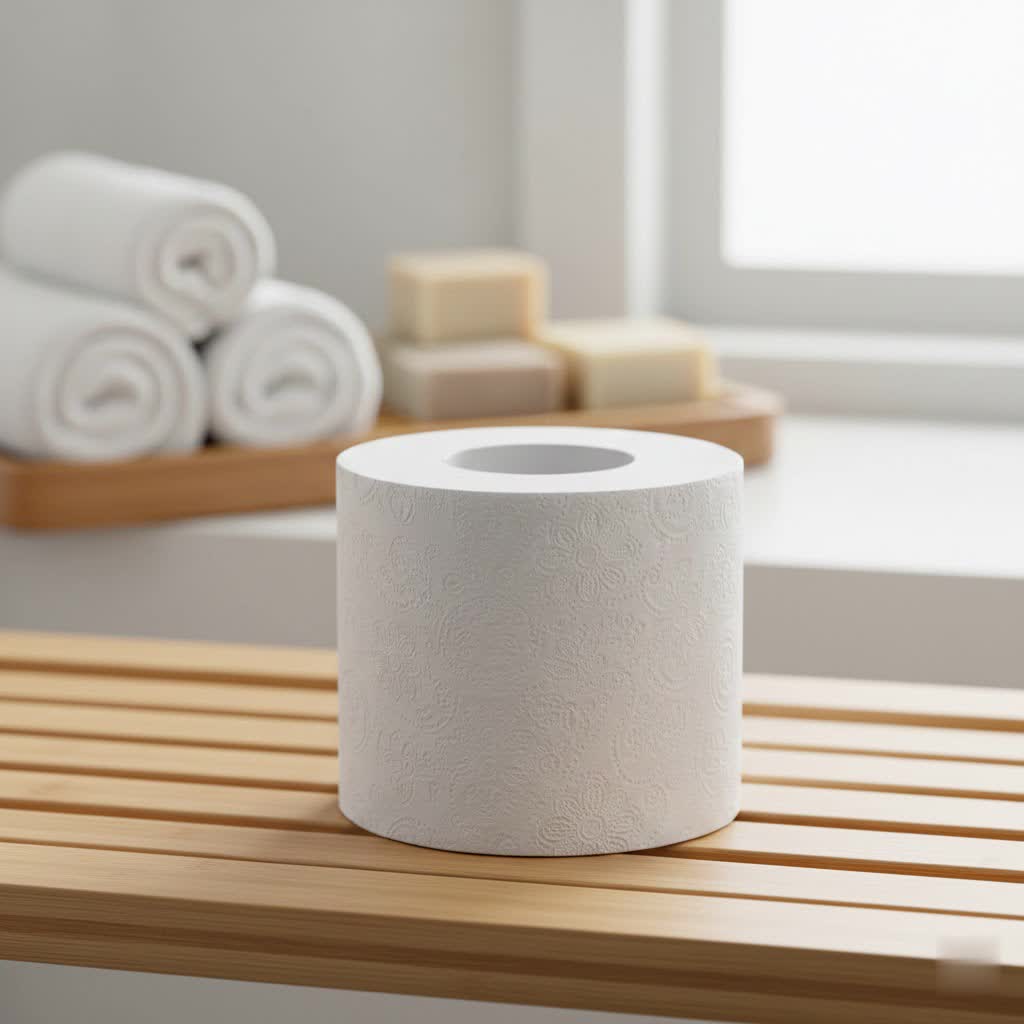
In a world increasingly focused on sustainable living, even our most routine household products are undergoing a revolution. Toilet paper, a daily necessity, is no exception. If you’re looking for an eco-conscious alternative that doesn’t compromise on quality, you’ve likely encountered Caboo toilet paper. It promises a tree-free experience, blending environmental responsibility with everyday comfort. But what exactly sets it apart, and is it the right choice for your home? Let’s delve into everything you need to know about Caboo.
What is Caboo Toilet Paper? An Overview of a Sustainable Choice
Caboo toilet paper redefines bathroom essentials by offering a tree-free solution crafted primarily from rapidly renewable resources: bamboo and sugarcane. Unlike traditional toilet paper, which relies on virgin wood pulp from slow-growing trees, Caboo harnesses the fast-growing nature of bamboo and upcycles sugarcane bagasse, a byproduct of the sugar manufacturing industry. This innovative approach reflects a core mission to provide paper products that are gentler on both families and the planet, stemming from a vision by two dads committed to sustainable living. By utilizing these easily replenishable grasses, Caboo significantly reduces the environmental impact associated with deforestation and excessive tree harvesting.
Key Criteria for Choosing Toilet Paper: How Caboo Stacks Up
Choosing the right toilet paper involves more than just picking up the cheapest pack. Factors like material, feel, durability, and environmental impact play a significant role. Here’s how Caboo addresses these critical considerations.
Material & Sustainability
Caboo stands out due to its commitment to sustainable materials. It uses bamboo, a grass that grows up to 35 times faster than trees and doesn’t require replanting after harvest, making it a highly renewable resource. Beyond bamboo, Caboo incorporates sugarcane bagasse, repurposing what would otherwise be considered agricultural waste. This material choice helps prevent deforestation, as it eliminates the need to cut down trees for toilet paper production. Furthermore, bamboo produces 35% more oxygen and absorbs substantially more carbon dioxide than trees, contributing positively to air quality and climate efforts. The brand also highlights its eco-friendly credentials through certifications such as Non-GMO Project Verified, BPA-free, and chlorine-free, ensuring the product is free from many harmful chemicals. Caboo products are also certified with MADE SAFE® and OEKO‑TEX® Standard 100 seals, indicating rigorous screening for toxins and harmful substances. The company reinforces its commitment through its “Our Planet Re-Leaf® Program,” planting a tree for every pound of paper sold, aiming for a net positive environmental impact.
Softness and Absorbency
|
Our Picks for the Best Toilet Paper in 2026
As an Amazon Associate I earn from qualifying purchases.
|
||
| Num | Product | Action |
|---|---|---|
| 1 | Angel Soft Toilet Paper, 18 Mega Rolls = 72 Regular Rolls, Soft and Strong Toilet Tissue |

|
| 2 | Scott ComfortPlus Toilet Paper, 12 Double Rolls, 231 Sheets per Roll, Septic-Safe, 1-Ply Toilet Tissue |
|
| 3 | Eco Comfort Pack Bamboo Toilet Paper – 350 Sheets per Roll, 3-Ply Soft & Strong, Plastic-Free Packaging, Septic Safe, Eco Friendly (PREMIUM WHITE, 12 Rolls) |
|
| 4 | Happy Valentines Day Decorations Gifts for Him Her Girls Women Teens, 3 Ply 150 Sheet Funny Toilet Paper Roll, Red Love Heart Tissue Paper, Friends Bathroom Toilet Themed Party Decorations Favors |
|
| 5 | Amazon Basics FSC-Certified 2-Ply Septic-Safe Toilet Paper, Soft, 350 Sheets per Roll, 30 Rolls = 185 Regular Rolls |
|
| 6 | Scott Professional 100% Recycled Fiber Standard Roll Bulk Toilet Paper (13217), 2-Ply, Elevated Design, White, Individually Wrapped (80 Rolls of 473 Sheets, 37,840 Sheet Total) |
|
| 7 | Amazon Basics FSC-Certified 2-Ply Septic-Safe Toilet Paper, Soft, 350 Sheets per Roll, 6 Rolls = 37 Regular Rolls |
|
| 8 | Quilted Northern Ultra Plush Toilet Paper, 24 Mega Rolls = 96 Regular Rolls, 3X Thicker*, 3 Ply Soft Toilet Tissue |
|
| 9 | Amazon Basics Soft and Strong 2-Ply Toilet Paper, 6 Ultra Rolls = 24 Regular Rolls, Unscented, 340 Sheet (6 Rolls) |
|
| 10 | Charmin Ultra Soft Cushiony Touch Toilet Paper, 24 Family Mega = 123 Regular Rolls, White |
|
When it comes to comfort, Caboo aims to deliver. User reviews often describe it as soft and gentle, with the bamboo and sugarcane fibers contributing to a luxurious, velvety feel. While some might find it a touch less plush than the “super super soft” brands made from virgin wood pulp, it’s generally considered far superior to the rough, newspaper-like toilet paper often found in public restrooms. Its natural absorbency ensures effective cleaning, allowing you to use less per wipe and providing a comfortable experience.
Durability and Tear Resistance
Durability is a crucial aspect of good toilet paper, preventing unexpected tears during use. Caboo is praised for its strength and tear resistance, thanks to the robust nature of bamboo fibers. Most Caboo toilet paper is 2-ply, offering a good balance of strength and softness. Consumers also appreciate that it tends to produce minimal dust or lint, ensuring a cleaner experience compared to some traditional brands. This combination of strength and low lint helps improve overall bathroom hygiene and satisfaction.
Sheet Count and Roll Size
Caboo typically offers its toilet paper in standard configurations, such as 2-ply rolls with 300 sheets per roll, often sold in multi-packs (e.g., 12 double rolls). While the upfront cost might sometimes appear higher than conventional brands, its superior strength and absorbency often mean you use fewer sheets per visit. This can lead to a more cost-effective choice in the long run, reducing how frequently you need to replenish your supply. The focus on durability translates to better value, as users find they don’t need to wrap or wad excessive amounts of paper.
Health & Safety
For those with sensitive skin or concerns about chemicals, Caboo presents a reassuring option. It is hypoallergenic and free from harsh chemicals such as chlorine bleach, dyes, fragrances, PFAS, and BPA. This makes it a gentler choice for all skin types. Additionally, bamboo possesses natural antibacterial properties, adding another layer of hygienic assurance. Caboo toilet paper is also 100% biodegradable and septic-safe, meaning it breaks down quickly and naturally, making it suitable for all disposal systems, including RVs and composting toilets, without causing clogs or environmental harm.
Comparing Caboo to Traditional and Recycled Toilet Paper
To truly understand Caboo’s value, it’s helpful to see how it compares to other common toilet paper types.
| Feature | Caboo (Bamboo & Sugarcane) | Traditional (Virgin Wood Pulp) | Recycled Toilet Paper |
|---|---|---|---|
| Material Source | Renewable Bamboo & Sugarcane Bagasse | Virgin Wood from Trees | Post-consumer waste paper |
| Growth Cycle | Fast-growing grasses (months to years) | Slow-growing trees (decades) | Reuses existing paper |
| Environmental Impact | Low deforestation, high O2, low CO2, bio-degradable | High deforestation, carbon intensive | Reduces landfill, some processing impact |
| Softness | Luxuriously soft, gentle | Varies (can be very plush or rough) | Varies (can be rougher than others) |
| Strength | Strong, durable, low lint | Varies (can be strong, some lint/dust) | Can be less durable, may tear easily |
| Chemicals/Additives | Chemical-free, no dyes/fragrances, BPA-free | Often contains bleach, dyes, fragrances | May contain residual chemicals |
| Biodegradability/Septic Safety | 100% biodegradable, septic-safe | Generally septic-safe, variable breakdown | Generally septic-safe, variable breakdown |
| Packaging | Options for plastic-free packaging | Often plastic-wrapped | Varies, can be plastic-wrapped |
How to Choose the Right Toilet Paper for Your Needs with Caboo in Mind
Making an informed decision about your toilet paper requires considering your personal values and practical needs.
Assessing Your Priorities
If eco-friendliness, a chemical-free product for sensitive skin, or septic system compatibility are high on your list, Caboo toilet paper is an excellent contender. While the initial cost per roll might sometimes be slightly higher than budget traditional brands, its durability and the environmental benefits often justify the investment, providing long-term value. It’s about weighing immediate cost against sustainability, health benefits, and performance.
Understanding Product Labels
Always take time to read the product labels. Look for certifications like Non-GMO Project Verified, MADE SAFE®, and OEKO‑TEX® Standard 100, which attest to Caboo’s commitment to safety and environmental responsibility. Pay attention to ply count and sheet count to ensure you’re getting the right density and quantity for your household’s usage patterns.
Where to Purchase Caboo Toilet Paper
Caboo products are increasingly available in various retail channels. You can find them in health-focused grocery stores like Whole Foods, and through major online retailers. Some locations and product lines even offer plastic-free packaging, further enhancing their environmental appeal. Checking the Caboo website can often lead you to a local retailer or provide options for direct online purchase.
Caboo’s Commitment to a Greener Planet
Caboo’s philosophy extends beyond just providing a product; it’s about fostering a healthier planet. By utilizing fast-growing bamboo and repurposing sugarcane, the brand significantly reduces the demand for virgin wood pulp, actively combating deforestation. Their commitment to chemical-free production means fewer toxins entering our ecosystems. The brand takes it a step further with its “Our Planet Re-Leaf® Program,” ensuring that for every pound of paper produced, a tree is planted. This active reforestation effort, combined with using materials that produce more oxygen and absorb more carbon, illustrates a profound dedication to environmental stewardship.
“Switching to tree-free toilet paper made from bamboo and sugarcane is one of the easiest ways for individuals to make a tangible positive impact on the environment every single day.” – Albert Addante, CEO and Founder of Caboo Products
Essential Tips for Using and Storing Toilet Paper
Proper use and storage can enhance your toilet paper experience, regardless of the brand. For personal hygiene, use only what’s necessary to ensure cleanliness without excess waste. Store your toilet paper in a dry, cool place away from direct moisture to maintain its quality and prevent any degradation. Given that Caboo is septic-safe, it dissolves efficiently, reducing the risk of plumbing issues when disposed of correctly down the toilet.
Conclusion
Caboo toilet paper offers a compelling blend of eco-friendliness, quality, and health consciousness, making it a leading choice in the sustainable paper product market. By choosing Caboo, you’re not only opting for a product that is soft, strong, and gentle on your skin, but you’re also actively contributing to a reduction in deforestation, lower carbon emissions, and a cleaner planet. It’s a simple yet impactful switch that aligns your daily habits with a commitment to a greener future. Are you ready to make a conscious choice for your bathroom and the environment?
Frequently Asked Questions
Is Caboo toilet paper truly soft?
Yes, Caboo toilet paper is generally praised for its softness, derived from the natural fibers of bamboo and sugarcane. While perceptions of “softness” can vary, many users find it offers a luxurious and comfortable feel, often superior to recycled toilet paper and comparable to, if not softer than, many traditional brands.
Is Caboo safe for septic tanks?
Absolutely. Caboo toilet paper is designed to be 100% biodegradable and is explicitly labeled as septic-safe. Its natural fibers break down quickly and efficiently, ensuring it won’t cause clogs or negatively impact your septic system.
What are Caboo toilet paper’s main ingredients?
Caboo toilet paper is primarily made from 100% renewable bamboo and sugarcane pulp (bagasse). These are fast-growing grasses that provide a sustainable, tree-free alternative to traditional wood-based toilet paper.
Is Caboo toilet paper good for sensitive skin?
Yes, Caboo toilet paper is an excellent choice for sensitive skin. It is hypoallergenic and free from common irritants such as chlorine bleach, dyes, fragrances, PFAS, and BPA, making it gentle and safe for everyone in your household.
How does Caboo contribute to sustainability?
Caboo contributes to sustainability by using rapidly renewable resources (bamboo and sugarcane), preventing deforestation, conserving water and energy, and utilizing a waste up-cycling process for sugarcane bagasse. They also plant a tree for every pound of paper sold and ensure their products are biodegradable and chemical-free.
Get our weekly buyer guide
Practical specs, not advice. Unsubscribe anytime.
