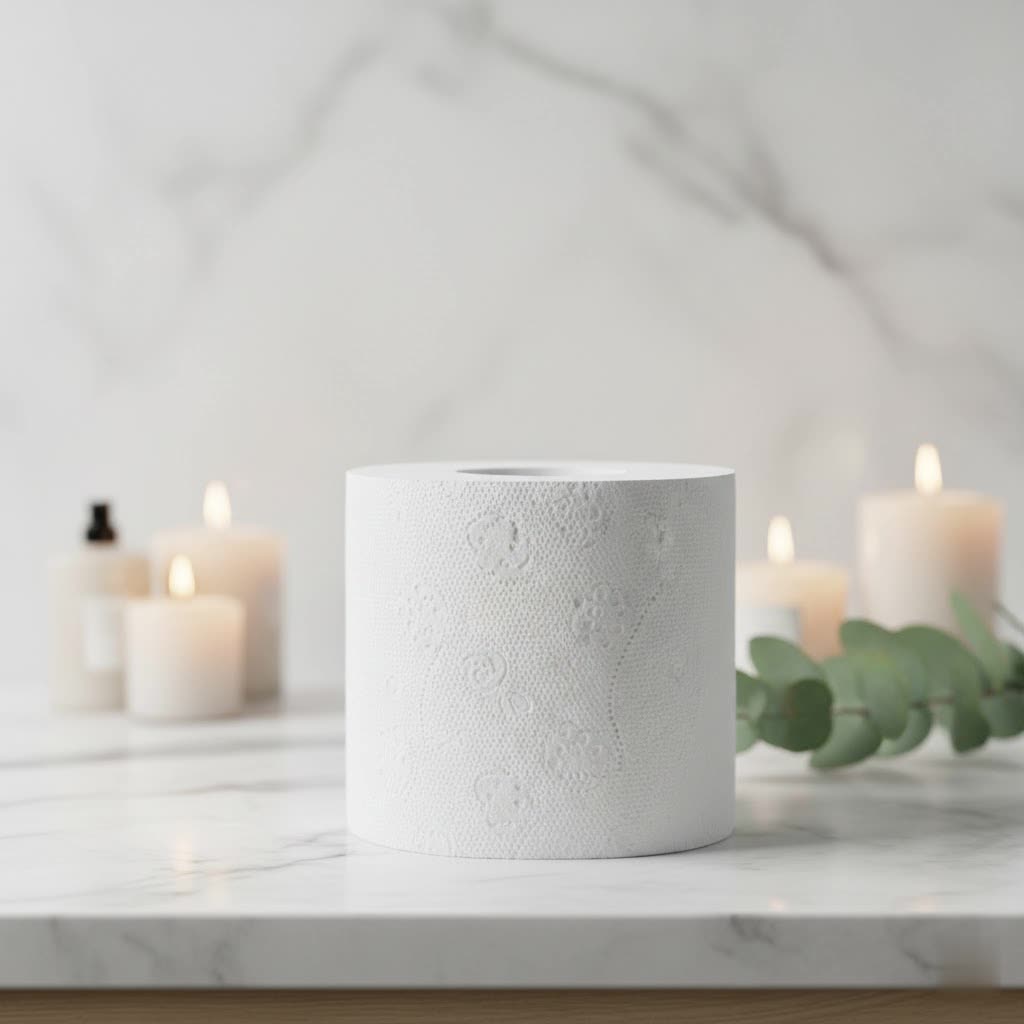
Choosing the right toilet paper for your household can feel like a small decision, yet it carries significant weight, particularly for those looking to lessen their environmental footprint. In a market flooded with options, Seventh Generation toilet paper stands out as a leading contender for eco-conscious consumers. This brand has carved a niche by prioritizing sustainability, offering a product that not only meets daily needs but also aligns with a commitment to planetary well-being. But what exactly makes Seventh Generation toilet paper a mindful choice, and does it truly deliver on both performance and environmental promises?
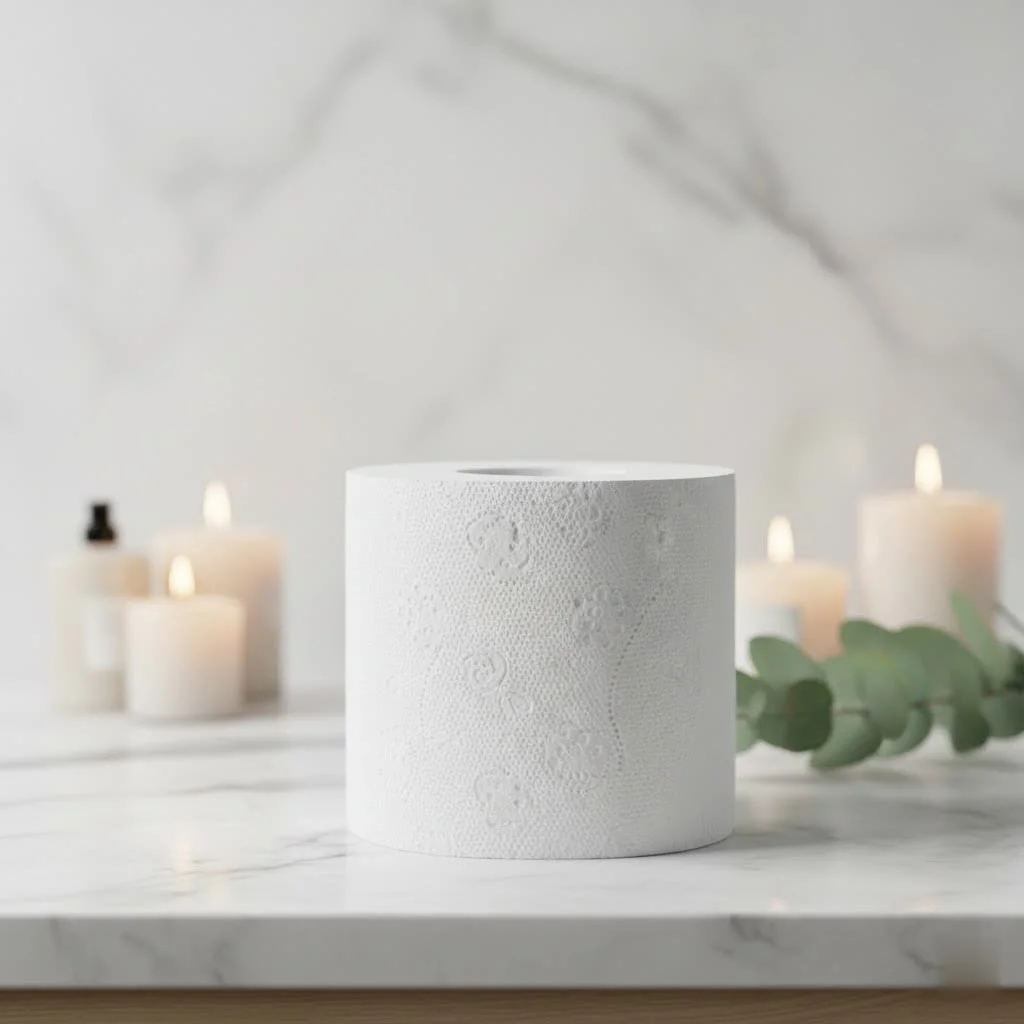
What is Seventh Generation Toilet Paper? An Overview
Seventh Generation toilet paper is a prominent example of how everyday products can evolve to become more environmentally responsible. At its core, it is a bathroom tissue crafted from 100% recycled paper fibers, typically comprising at least 50% post-consumer content. Unlike conventional toilet papers that often rely on virgin wood pulp sourced from forests, Seventh Generation embraces a circular economy model by giving new life to discarded paper materials.
This commitment extends beyond just the raw materials. The tissue is whitened without the use of chlorine bleach, a process known to produce harmful chlorinated hydrocarbons that can pollute waterways. Instead, alternative, gentler methods are employed. Furthermore, it is intentionally made without added dyes, inks, or fragrances, making it a hypoallergenic option suitable for individuals with sensitive skin. The brand’s standard offering typically comes as a 2-ply tissue, balancing strength with a comfortable feel, and is designed to be safe for both standard septic systems and low-flow toilets, including those in RVs and marine environments.
Key Criteria for Choosing Eco-Friendly Toilet Paper
When navigating the world of toilet paper, especially with an environmental lens, several factors come into play beyond mere price. Understanding these criteria helps in making an informed decision about products like Seventh Generation.
Material Composition
The source material is perhaps the most crucial factor in eco-friendly toilet paper.
- Recycled vs. Virgin Pulp: Virgin pulp, derived directly from trees, contributes to deforestation and requires significant energy and water in its production. Recycled paper, on the other hand, reduces the demand for newly cut trees, conserves energy, and minimizes landfill waste. Seventh Generation exclusively uses recycled fibers, often with a high percentage of post-consumer waste, which means the paper has already served its initial purpose as office paper or cardboard before being transformed into toilet tissue.
- Other Eco-Friendly Alternatives: While recycled paper is a strong contender, other sustainable options include bamboo and sugarcane pulp, which are rapidly renewable resources. However, Seventh Generation focuses on maximizing the use of existing paper waste.
Softness and Absorbency
|
Our Picks for the Best Toilet Paper in 2026
As an Amazon Associate I earn from qualifying purchases.
|
||
| Num | Product | Action |
|---|---|---|
| 1 | Amazon Basics Soft and Strong 2-Ply Toilet Paper, 6 Ultra Rolls = 24 Regular Rolls, Unscented, 340 Sheet (6 Rolls) |

|
| 2 | Angel Soft Toilet Paper, 18 Mega Rolls = 72 Regular Rolls, Soft and Strong Toilet Tissue |
|
| 3 | Happy Valentines Day Decorations Gifts for Him Her Girls Women Teens, 3 Ply 150 Sheet Funny Toilet Paper Roll, Red Love Heart Tissue Paper, Friends Bathroom Toilet Themed Party Decorations Favors |
|
| 4 | Eco Comfort Pack Bamboo Toilet Paper – 350 Sheets per Roll, 3-Ply Soft & Strong, Plastic-Free Packaging, Septic Safe, Eco Friendly (PREMIUM WHITE, 12 Rolls) |
|
| 5 | Scott Professional 100% Recycled Fiber Standard Roll Bulk Toilet Paper (13217), 2-Ply, Elevated Design, White, Individually Wrapped (80 Rolls of 473 Sheets, 37,840 Sheet Total) |
|
| 6 | Charmin Ultra Soft Cushiony Touch Toilet Paper, 24 Family Mega = 123 Regular Rolls, White |
|
| 7 | Amazon Basics FSC-Certified 2-Ply Septic-Safe Toilet Paper, Soft, 350 Sheets per Roll, 30 Rolls = 185 Regular Rolls |
|
| 8 | Quilted Northern Ultra Plush Toilet Paper, 24 Mega Rolls = 96 Regular Rolls, 3X Thicker*, 3 Ply Soft Toilet Tissue |
|
| 9 | Scott ComfortPlus Toilet Paper, 12 Double Rolls, 231 Sheets per Roll, Septic-Safe, 1-Ply Toilet Tissue |
|
| 10 | Amazon Basics FSC-Certified 2-Ply Septic-Safe Toilet Paper, Soft, 350 Sheets per Roll, 6 Rolls = 37 Regular Rolls |
|
The perception of softness is highly subjective, and recycled toilet paper often faces the stereotype of being rough or thin.
- Balancing Act: Manufacturers of recycled toilet paper, including Seventh Generation, strive to achieve a balance between sustainability and user comfort. While it might not always possess the “ultra-plush” feel of some virgin pulp brands heavily treated for softness, many users find Seventh Generation to be adequately soft and comfortable for daily use.
- Absorption: The 2-ply construction helps enhance absorbency and provides a reliable user experience without excessive tearing.
Strength and Durability
A common concern with any toilet paper is its ability to hold up during use.
- Ply Count: Seventh Generation’s 2-ply design is engineered to offer sufficient strength and durability, aiming to prevent tearing and reduce the need for excessive sheets. This construction also helps to ensure it remains lint-free, addressing a common complaint with some lower-quality tissues.
- Reliable Performance: Despite being made from recycled materials, the processing techniques are designed to produce a robust sheet that performs effectively without disintegrating easily.
Safety and Certifications
For health-conscious and environmentally aware consumers, certifications and ingredient lists are paramount.
- Chlorine-Free Processing: Seventh Generation explicitly states its paper is whitened without chemicals containing chlorine. This choice is vital because chlorine processing can create dioxins and other harmful byproducts that can impact human health and aquatic ecosystems.
- No Unnecessary Additives: The absence of added dyes, inks, and fragrances makes this toilet paper hypoallergenic and a safer choice for individuals prone to skin irritation or allergies.
- Septic and RV Safe: Its rapid biodegradability ensures it breaks down efficiently, making it safe for all standard septic systems, as well as low-flow plumbing systems found in RVs and campers, preventing clogs and maintenance issues.
- Third-Party Certifications: Seventh Generation toilet paper frequently carries certifications such as the Forest Stewardship Council (FSC) Recycled label and, for some product lines, USDA Certified Biobased. These certifications independently verify the product’s environmental claims and responsible sourcing practices. The brand is also a Certified B Corporation, reflecting its commitment to social and environmental performance, accountability, and transparency.
- Transparency on BPA: The brand has been transparent about detecting trace levels of BPA in its recycled paper products, noting this is common across all recycled paper due to its source materials. However, these levels are in parts per billion and considered unlikely to affect health.
Cost and Value
Eco-friendly products sometimes come with a higher price tag, prompting questions about value.
- Investment in Sustainability: The cost of processing recycled fibers, along with the commitment to responsible manufacturing and certifications, can sometimes make recycled toilet paper slightly more expensive per roll than the cheapest virgin paper options. However, this price reflects an investment in more sustainable practices and reduced environmental harm.
- Value Proposition: For many, the long-term benefits of reducing deforestation, minimizing chemical pollution, and supporting ethical production outweigh a marginal price difference. While some customers have noted recent price increases or smaller roll sizes, Seventh Generation aims to provide competitive value within the eco-friendly segment.
Seventh Generation Toilet Paper: In-Depth Review
Seventh Generation toilet paper consistently receives praise for its strong environmental credentials. It significantly reduces the demand for virgin timber, helping to protect forests and reduce the environmental impact associated with conventional paper production. The absence of chlorine bleach, dyes, inks, and fragrances makes it a preferred choice for individuals with sensitive skin and those concerned about chemical exposure. Its compatibility with septic systems and low-flow toilets adds to its practical appeal.
| Feature | Seventh Generation 100% Recycled TP | Conventional Virgin Pulp TP |
|---|---|---|
| Material | 100% Recycled Fiber (50%+ Post-Consumer) | Virgin Wood Pulp (from trees) |
| Ply | 2-Ply | 1-Ply to 3-Ply |
| Bleaching Process | Totally Chlorine Free (TCF) | Often Elemental Chlorine Free (ECF) or Chlorine Bleached |
| Additives | No added Dyes, Inks, or Fragrances | Frequently contains Dyes, Inks, and Fragrances |
| Septic Safe | Yes | Varies greatly by brand/type |
| Softness | Moderate to Good (often perceived as less “plush”) | Ranges from basic to “ultra-soft” and luxurious |
| Strength | Good, reliable | Varies, can be very strong (3-ply) or tear easily (1-ply) |
| Environmental Impact | Significantly lower (saves trees, less pollution) | Higher (deforestation, energy, chemical use) |
| Hypoallergenic | Yes | Rarely (due to additives) |
| Key Certifications | FSC Recycled, USDA Biobased (some lines), Certified B Corp | Rarely (unless specific eco-lines) |
Pros of Seventh Generation Toilet Paper:
- Exceptional Environmental Friendliness: Made from 100% recycled paper, it drastically reduces the carbon footprint associated with toilet paper production by minimizing reliance on virgin forests and conserving natural resources.
- Healthier Choice: Free from chlorine bleach, dyes, inks, and fragrances, it’s ideal for sensitive skin and reduces exposure to potentially harmful chemicals.
- Septic System Safe: Designed to break down quickly and efficiently, it prevents clogs and is safe for all types of plumbing, including septic tanks and RVs.
- Transparency: The brand openly communicates about its ingredients, processes, and even potential trace elements like BPA, fostering trust with consumers.
Cons of Seventh Generation Toilet Paper:
- Softness Perception: Some users accustomed to ultra-soft virgin paper brands may find its texture moderately soft rather than luxuriously plush.
- Cost: It can sometimes be priced higher than conventional, non-recycled toilet paper, which might be a barrier for budget-conscious buyers.
- Packaging: While their plastic film packaging is made from recycled content and is technically recyclable, access to suitable drop-off recycling facilities for #4 plastic film can be limited in some areas.
Who Should Choose Seventh Generation Toilet Paper?
Seventh Generation toilet paper is an excellent match for various households and individuals:
- The Environmentally Conscious: If reducing your ecological footprint is a priority, and you actively seek products that support recycling and sustainable practices, Seventh Generation is a clear choice.
- Individuals with Sensitive Skin or Allergies: The absence of harsh chemicals, dyes, and fragrances makes it a gentle option for those prone to irritation or allergic reactions.
- Homeowners with Septic Systems: Its proven septic-safe formulation offers peace of mind, helping to maintain the health and longevity of your septic tank.
- RV and Camper Owners: The compatibility with low-flow toilets is a significant advantage for mobile living, preventing plumbing issues on the go.
- Families Seeking Healthier Home Products: For those who prefer to minimize chemical exposure in their daily lives, this toilet paper aligns well with a broader healthy home philosophy.
Maximizing Your Eco-Friendly Choice: Usage and Storage Tips
Making the switch to an eco-friendly product like Seventh Generation toilet paper is a great step, and optimizing its use can further enhance its benefits.
- Mindful Usage: While Seventh Generation offers good strength, practicing mindful usage—taking only what you need—can prolong the life of each roll and further reduce waste. This simple habit contributes to overall sustainability.
- Proper Storage: Store your toilet paper in a dry, cool place away from direct moisture. This prevents any potential damage to the paper and maintains its quality until use.
- Recycling the Packaging: Although the plastic film packaging is made from recycled materials, check with your local recycling center for specific guidelines on #4 plastic film or store drop-off programs. Many grocery stores offer collection points for plastic bags and films.
Conclusion
Seventh Generation toilet paper offers a compelling blend of environmental responsibility and everyday functionality, making it a thoughtful choice for the modern home. By opting for 100% recycled fibers, eschewing chlorine bleach, and avoiding unnecessary additives, it represents a significant step towards more sustainable living. While it may not always match the ultra-plush feel of some virgin paper counterparts, its performance, health benefits, and positive environmental impact are undeniable. Choosing Seventh Generation means making a conscious decision to support a healthier planet and a more responsible consumer culture.
Are you ready to make a positive impact with every flush?
Frequently Asked Questions
Is Seventh Generation toilet paper truly soft?
Seventh Generation toilet paper is generally considered moderately soft, providing a comfortable experience for most users. While it may not feel as “ultra-plush” as some virgin fiber brands, it prioritizes sustainable materials without compromising on a pleasant feel.
Is Seventh Generation toilet paper safe for septic tanks?
Yes, Seventh Generation toilet paper is specifically designed to be safe for all standard septic systems, as well as low-flow and RV toilets. Its composition allows it to break down quickly and efficiently, preventing clogs and maintaining plumbing health.
What are the main ingredients in Seventh Generation toilet paper?
The primary ingredient in Seventh Generation toilet paper is 100% recycled paper fiber, with at least 50% post-consumer content. It contains no added dyes, inks, fragrances, or chlorine bleach, ensuring a pure and environmentally friendly product.
Is Seventh Generation toilet paper chemical-free?
Seventh Generation toilet paper is processed without chemicals containing chlorine bleach and does not contain added dyes, inks, or fragrances. While all manufacturing processes involve some form of treatment, it is committed to minimizing the use of harsh or unnecessary chemicals.
Why is recycled toilet paper sometimes more expensive than virgin paper?
The cost of collecting, sorting, and de-inking recycled paper, coupled with sustainable manufacturing practices and certifications, can sometimes make recycled toilet paper more expensive. However, this price often reflects the true cost of environmentally responsible production, offsetting the hidden environmental costs of virgin paper.
Does Seventh Generation toilet paper contain BPA?
Seventh Generation has transparently stated that trace levels of BPA can be found in its recycled paper products, a common occurrence across all recycled paper due to the nature of the recycled input materials. These levels are very low (parts per billion) and are considered unlikely to pose a health risk.
Get our weekly buyer guide
Practical specs, not advice. Unsubscribe anytime.
